
Why Every Homeowner Needs a Post Hurricane HVAC Inspection Checklist After a Gulf Coast Storm
A solid post hurricane HVAC inspection checklist can be the difference between a quick recovery and a costly system failure that leaves your family sweltering in the Texas heat. After a hurricane or tropical storm moves through the Montgomery County area, your HVAC system may look completely fine on the outside — and still be hiding serious damage inside.
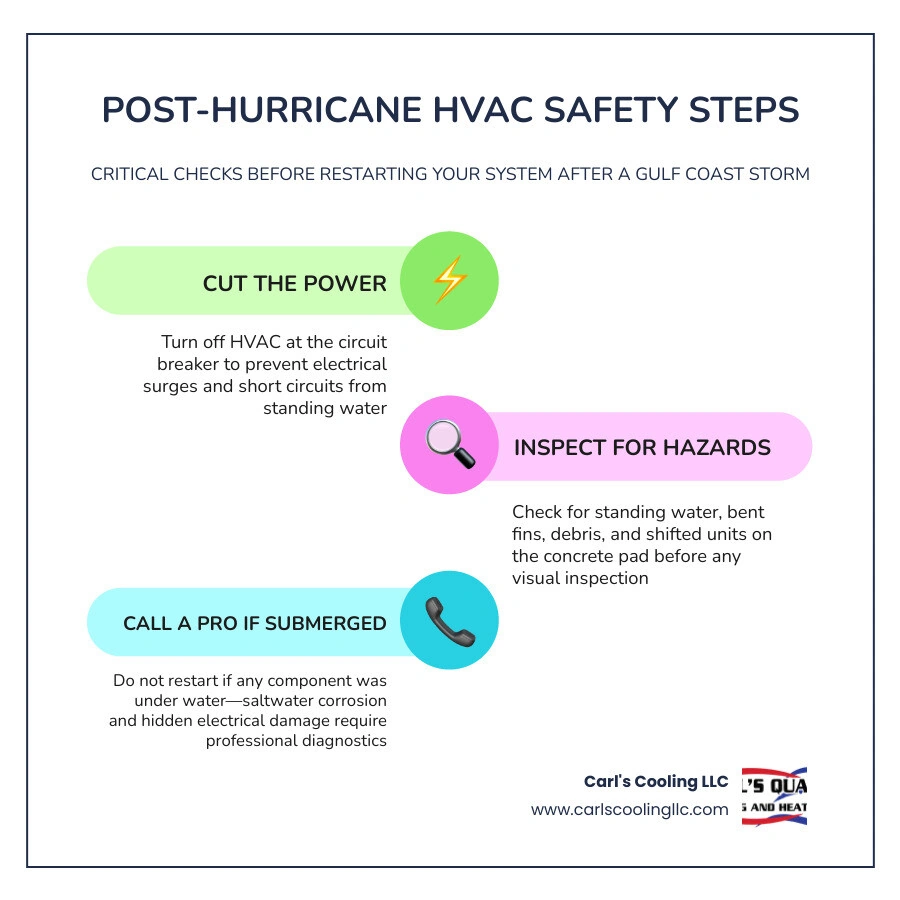
Here is a quick checklist to follow after a hurricane before restarting your HVAC system:
- Cut power to the HVAC system at the circuit breaker
- Check for standing water around the outdoor unit
- Look for visible damage — bent fins, dents, debris, shifted unit
- Inspect refrigerant lines for kinks, cracks, or torn insulation
- Check electrical connections for scorch marks or frayed wiring
- Review indoor air handler and ducts for moisture or mold
- Do not restart if any part was submerged — call a licensed technician first
- Document all damage with date-stamped photos for insurance
The stakes are high. Running a storm-damaged HVAC system without inspecting it first can destroy the compressor, fry the electrical board, or spread mold through every room in your home. And in a coastal climate where hurricanes bring both high winds and flooding, the damage is often hidden — lurking in corroded wiring, waterlogged insulation, or a condenser unit that shifted just enough off its pad to stress the refrigerant lines.
North Carolina-based research shows that Hurricane Florence alone flooded more than 74,500 structures, and the Gulf Coast faces its own version of that threat every season. Homeowners across Conroe, Montgomery, and surrounding areas know that storm season is not a matter of if — it is a matter of when.
This guide walks you through exactly what to check, what to avoid, and when to call in a professional.
Easy post hurricane hvac inspection checklist word list:
- how power outages from storms affect your system
- how texas gulf coast heat and hurricanes affect your hvac
- how to help your ac during heat waves
Immediate Safety Steps Before Inspecting Your System
Before you step outside to look at your outdoor condenser unit, you must prioritize personal safety. Hurricanes leave a path of structural instability, waterlogged ground, and potential electrical hazards in their wake. Walking blindly into your yard to inspect your air conditioner can expose you to severe dangers.
Understanding how to stay safe during a heating or cooling emergency starts with realizing that water and electricity are a lethal combination. If your yard has standing water, do not approach the outdoor unit. Additionally, check for the smell of natural gas or propane, which could indicate a ruptured line nearby. If you suspect any gas leaks, leave the area immediately and contact emergency services.
Step 1: Cut the Power at the Breaker
Never attempt to inspect or touch any part of your HVAC system while it is energized. Even if your neighborhood is currently experiencing a blackout, you must turn off the system. When utility crews restore municipal power, a massive electrical surge can rush through the grid. If your system is still switched on, this surge can easily fry your unit's sensitive circuit boards and compressor motors.
Go directly to your home’s main electrical panel and switch off the dedicated circuit breakers for both the indoor air handler and the outdoor condenser unit. For detailed context on how grid instability threatens your equipment, read about how power outages from storms affect your system.
Step 2: Assess the Surrounding Area for Hazards
Once the breakers are turned off, carefully step outside. Look up and down to scan your path. Look for downed power lines that may be draped over fences, hidden in standing water, or tangled in fallen tree branches.
Check the structural stability of your home's exterior walls, roof overhangs, and the area immediately surrounding your outdoor unit. If a tree branch is resting on your condenser, or if the soil beneath your feet feels like sinking mud, do not proceed with a DIY inspection. Wait for the ground to dry and call in professionals who have the proper safety gear.
Your Step-by-Step Post Hurricane HVAC Inspection Checklist
Once you have verified that the area is safe and all electrical power is completely disconnected, you can begin a systematic visual and physical inspection. Using a detailed complete hvac system inspection guide ensures you do not miss hidden issues.
By taking your time and looking for specific signs your hvac needs inspection, you can prevent minor issues from turning into catastrophic failures when the system is eventually turned back on.
Phase 1: Outdoor Condenser Unit Post Hurricane HVAC Inspection Checklist
The outdoor condenser unit bears the brunt of any hurricane’s fury. High-velocity winds turn everyday yard items, loose shingles, and tree branches into dangerous projectiles that can severely damage your system.
- Check for Bent or Flattened Fins: The aluminum cooling fins surrounding your condenser coil are incredibly delicate. If flying debris strikes them, they will bend and block critical airflow. We utilize the "30% rule" here: if more than 30% of your condenser's fins are flattened or crushed, the restricted airflow will put an immense strain on your compressor, leading to overheating and premature failure.
- Clear Debris and Mud: High winds pack leaves, twigs, pine needles, and mud tightly into the grilles and inside the fan shroud. Carefully remove large debris by hand while wearing sturdy work gloves. If the coils are caked in mud, you can gently wash them down with a low-pressure garden hose. Never use a high-pressure power washer, as this will instantly flatten the aluminum fins.
- Inspect for Unit Shifting and Soil Erosion: Heavy rains and storm surges can wash away the soil beneath your concrete or plastic condenser pad. If the pad tilts or shifts, the entire unit can become unlevel. A tilted unit causes the oil inside the compressor to distribute unevenly, leading to mechanical friction. Furthermore, even a minor shift of a few inches can put extreme physical tension on the copper refrigerant lines, leading to leaks.
Phase 2: Checking Refrigerant Lines and Electrical Connections
Once the exterior cabinet of the condenser is cleared, turn your attention to the connections running between the outdoor unit and your home.
- Examine the Copper Tubing: The refrigerant lines are made of copper and are insulated with foam. Look closely for any signs of physical damage, such as deep kinks, cracks, or punctures. If you hear a distinct hissing sound or notice an oily residue pooling around the copper joints, you have a active refrigerant leak. Because refrigerant operates under high pressure, a leak is a serious issue. To understand when these problems require immediate professional attention, read about when an hvac failure is a true emergency.
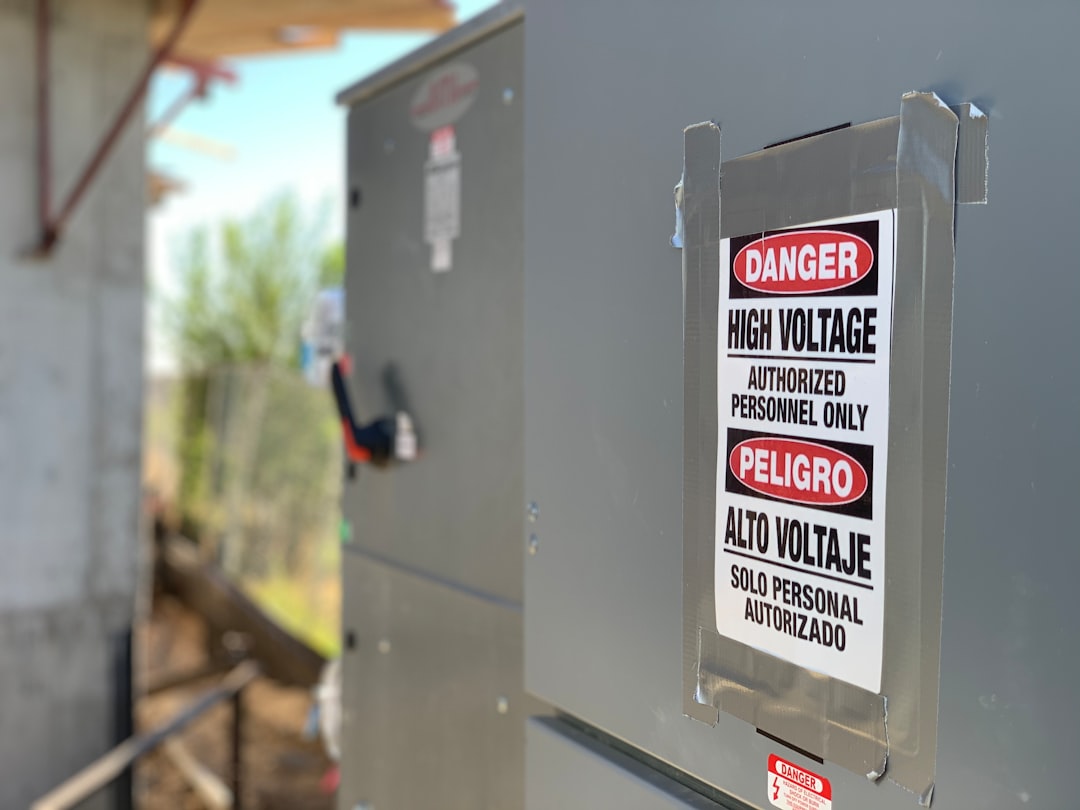
- Look for Visible Electrical Damage: Inspect the electrical conduit (the protective whip) running from the outdoor disconnect box to the unit. Look for signs of cracking, fraying, or loose wires. Check the disconnect box itself for water intrusion or scorch marks, which indicate a short circuit. Do not open or touch internal electrical components yourself; leave electrical diagnostics to a licensed technician.
Phase 3: Indoor Air Handler and Ductwork Review
Many homeowners forget that a hurricane can cause severe damage to the indoor portion of their heating and cooling system, especially if the home experienced roof damage, window leaks, or localized flooding.
- Replace the Air Filter Immediately: Post-storm air is filled with elevated levels of dust, humidity, and organic debris. Your air filter may have become saturated with moisture or clogged with fine particles during the storm. Replace it with a fresh, dry filter before attempting to run the system.
- Inspect the Ductwork for Water Intrusion: If you have ductwork running through an attic or crawlspace, a leaking roof or high winds can disconnect or tear the flexible ducts. Saturated fiberglass insulation inside or around your ducts cannot be salvaged; it acts like a sponge, holding water and turning your ductwork into a breeding ground for mold within 48 to 72 hours. Check for sagging ducts, damp spots on your ceilings, or disconnected joints.
Understanding the Submersion Rule and Coastal Storm Damage
When it comes to water damage, not all water is created equal. Understanding the "Submersion Rule" is vital for protecting your home and your financial investments after a major storm.
| Feature / Risk | Fresh Water Exposure (Rain/Inland Flooding) | Saltwater Exposure (Storm Surge) |
|---|---|---|
| Primary Risk | Silt, mud, and electrical short circuits. | Rapid, aggressive chemical corrosion and rust. |
| Electrical Components | May sometimes be cleaned and dried by a pro if clean. | Must be replaced; saltwater leaves conductive salt crusts. |
| Coil Integrity | Can be washed and sanitized. | Rapid oxidation destroys aluminum fins and copper joints. |
| AHRI Recommendation | Professional inspection highly recommended. | Immediate replacement required; zero tolerance for saltwater. |
If any part of your outdoor condenser or indoor air handler was submerged in floodwater, do not attempt to turn it on. Water leaves behind fine silt, mud, and organic contaminants inside the electrical contactors, fan motor windings, and compressor terminals. Energizing a wet or mud-caked system will cause an immediate electrical short circuit, permanently destroying expensive components and potentially causing an electrical fire.
The Danger of Saltwater and Coastal Storm Surge
For properties closer to coastal areas or tidal rivers in the greater Houston and Gulf Coast region, saltwater storm surge is particularly destructive. Saltwater is a highly corrosive electrolyte. When it comes into contact with the aluminum fins and copper coils of an air conditioner, it initiates rapid galvanic corrosion.
This chemical reaction eats away at the heat transfer surfaces, causing pinhole refrigerant leaks and destroying the electrical pathways. Even after the water recedes, salt crystals remain behind, continuously absorbing moisture from our humid Texas air and fueling the corrosion process. If your unit was touched by coastal storm surge, the Air-Conditioning, Heating, and Refrigeration Institute (AHRI) strongly recommends complete replacement of the affected systems.
Documenting Damage for Insurance Claims
If your HVAC system has sustained physical or water damage from a hurricane, you will need to file a claim with your homeowners or flood insurance provider. Proper documentation is key to getting your claim approved quickly.
- Take Date-Stamped Photos and Videos: Before you clean up any debris or move anything, take clear, high-resolution photos of the outdoor unit, the surrounding ground, any fallen branches, and the indoor air handler. Document standing water levels if possible.
- Locate Model and Serial Numbers: Take clear photos of the manufacturer's data plates on both your indoor and outdoor units. These plates contain the exact model and serial numbers, which your insurance adjuster will require.
- Keep All Professional Reports: If a licensed technician inspects your system, ask for a detailed, written diagnostic report outlining the exact cause of failure (e.g., wind-driven projectile damage, saltwater submersion, electrical surge). This professional documentation is invaluable during the claims process.
Residential vs. Commercial Post-Storm HVAC Considerations
While the basic principles of safety and cleanliness apply to all heating and cooling systems, there are significant differences between residential split systems and commercial commercial HVAC setups after a major storm.
Residential systems typically consist of a single outdoor condenser paired with an indoor furnace or air handler. They are designed for simplicity and localized comfort. Commercial systems, on the other hand, are often much larger, more complex, and frequently located on flat rooftops.
Unique Commercial HVAC Storm Considerations
Commercial properties face distinct challenges when recovering from a hurricane:
- Rooftop Wind Displacement: Because commercial packaged rooftop units (RTUs) are highly exposed to high-velocity winds, they can shift off their curbs, tearing the roof membrane and disconnecting the main duct drops. This can lead to massive water leaks directly into the business below.
- Commercial Refrigeration and Business Continuity: For businesses in food service, hospitality, or medical fields, commercial refrigeration systems must be inspected immediately to prevent the loss of thousands of dollars in perishable inventory.
- Complex Control Systems: Commercial buildings utilize advanced building automation systems (BAS) and multi-zone controls that are highly sensitive to power surges. These systems require specialized diagnostic tools to verify proper communication after a power outage.
Preventive Measures: Safeguarding Your HVAC Before the Next Storm
The best way to handle a post-hurricane inspection is to minimize the damage before the storm ever arrives. Implementing a few proactive measures can save you from major headaches down the road.
- Install Hurricane Straps: Secure your outdoor unit to its concrete pad using heavy-duty, rust-resistant hurricane straps or tie-downs to prevent high winds from tipping or sliding the unit.
- Invest in High-Quality Surge Protectors: Install a whole-house surge protector or a dedicated HVAC surge protector at your outdoor electrical disconnect. This shields your system's sensitive electronics from the massive voltage spikes that occur when power grids fluctuate during a storm.
- Elevate the Outdoor Unit: If you live in an area prone to localized flooding or standing water, consider having your outdoor unit elevated on a raised metal platform or a taller concrete pad. Elevating the unit just 12 to 24 inches can keep it safely above standard floodwaters.
- Maintain Regular Maintenance: Keeping your system in peak condition year-round ensures it is structurally sound and operating efficiently. Learn more about safeguarding your HVAC system for hurricane season and explore our guides on how to prevent HVAC emergencies with maintenance to keep your system running reliably. Regular care is also key to extending your HVAC system lifespan in our challenging coastal climate.
Frequently Asked Questions about Post-Storm HVAC Care
Is it safe to turn on my AC if the outdoor unit was briefly submerged?
No, it is not safe. Even if the floodwaters receded quickly and the unit looks dry on the outside, water can remain trapped inside the electrical switchgear, the fan motor, and the compressor terminal box. Turning the system on under these conditions can cause an immediate electrical short circuit, permanently destroying the components and creating a severe shock hazard. Always have a licensed professional perform a comprehensive diagnostic inspection before restoring power to a unit that has experienced submersion.
How does salt air affect my post hurricane hvac inspection checklist?
If you live in coastal areas or near saltwater bays, salt spray is carried inland by high-velocity hurricane winds. This salt coats your AC coils and accelerates galvanic corrosion. When performing your inspection, pay close attention to any white, powdery residue on the aluminum fins. Coastal properties require immediate, professional coil cleanings after a storm to wash away these corrosive salt deposits before they eat through the copper lines.
What should I do if I smell a burning odor after restarting my AC?
If you restart your system and immediately smell a pungent, metallic, or plastic burning odor, shut the system off at the thermostat and the circuit breaker immediately. A burning smell indicates that electrical wiring is overheating, insulation is melting, or a motor winding has short-circuited. Running the system under these conditions can quickly lead to an electrical fire or complete compressor burnout.
Conclusion
A hurricane is a stressful event, but taking a methodical, safety-first approach to your HVAC system can prevent a bad situation from getting worse. By following this post hurricane hvac inspection checklist, you can protect your home, preserve your equipment's lifespan, and ensure your family stays safe.
If your visual inspection reveals shifted units, bent fins, water submersion, or if you simply want the peace of mind that comes with an expert evaluation, we are here to help. Our family-owned team has decades of experience helping neighbors across Conroe, Montgomery, Spring, Tomball, and the surrounding Montgomery County communities recover after major storms.
Schedule a professional post-storm inspection with Carl's Cooling LLC today, and let our certified technicians ensure your home's comfort system is safe, efficient, and ready to tackle the Texas heat.