
Introduction
How microbial fogging eliminates bacteria and mold basics:
Walking into a space that feels genuinely clean is one of life’s simple pleasures. You know the feeling: the air is light, there are no lingering musty odors from yesterday’s cooking or last week’s rain, and your nose doesn't immediately start to itch. Unfortunately, keeping our indoor spaces pristine is an ongoing battle. Microscopic invaders like bacteria, viruses, and mold spores constantly float through our rooms, settling into the carpets, riding the drafts, and colonizing our heating and cooling systems.
When we try to tackle indoor air pollution in homes, traditional cleaning methods like sweeping, vacuuming, and wiping down counters only scratch the surface. They do a great job with visible dirt, but they leave behind billions of invisible pathogens tucked away in hard-to-reach cracks, porous fabrics, and deep within our air ducts.
This is where microbial fogging comes into play. As a cutting-edge indoor air quality solution, microbial fogging goes beyond superficial cleaning to neutralize pathogens where they float and where they land. Let’s dive deep into the science of how this remarkable technology works and how it can transform the air you breathe in your home or business.

What is Antimicrobial Fogging and How Does It Work?
Antimicrobial fogging—often referred to as microbial fogging or dry fogging—is the process of dispersing a commercial-grade, EPA-registered disinfectant in an ultra-fine mist or aerosolized form throughout an enclosed space. Unlike traditional spray bottles that shoot heavy droplets that quickly fall to the floor, fogging machines suspend active sanitizing agents in the air to neutralize airborne and surface-bound pathogens simultaneously.
To understand why this is so effective, we have to look at the mechanics of Ultra-Low Volume (ULV) technology. ULV foggers and thermal dry fogging systems use high pressure or heat to break down liquid disinfectant into microscopic droplets. These droplets typically range in size from 5 to 50 microns, with some advanced thermal dry fog systems producing submicron particles (less than 5 microns in diameter).
To put that in perspective, a single strand of human hair is about 70 microns wide. Because these fog particles are so incredibly small, they behave more like a gas than a liquid. Instead of dropping immediately to the ground, they remain suspended in the air for hours. They drift on natural air currents, wrapping around furniture, penetrating deep into carpet fibers, and creeping into microscopic wall cracks. This comprehensive coverage is a game-changer for maintaining overall indoor air quality.
The Science of How Microbial Fogging Eliminates Bacteria and Mold
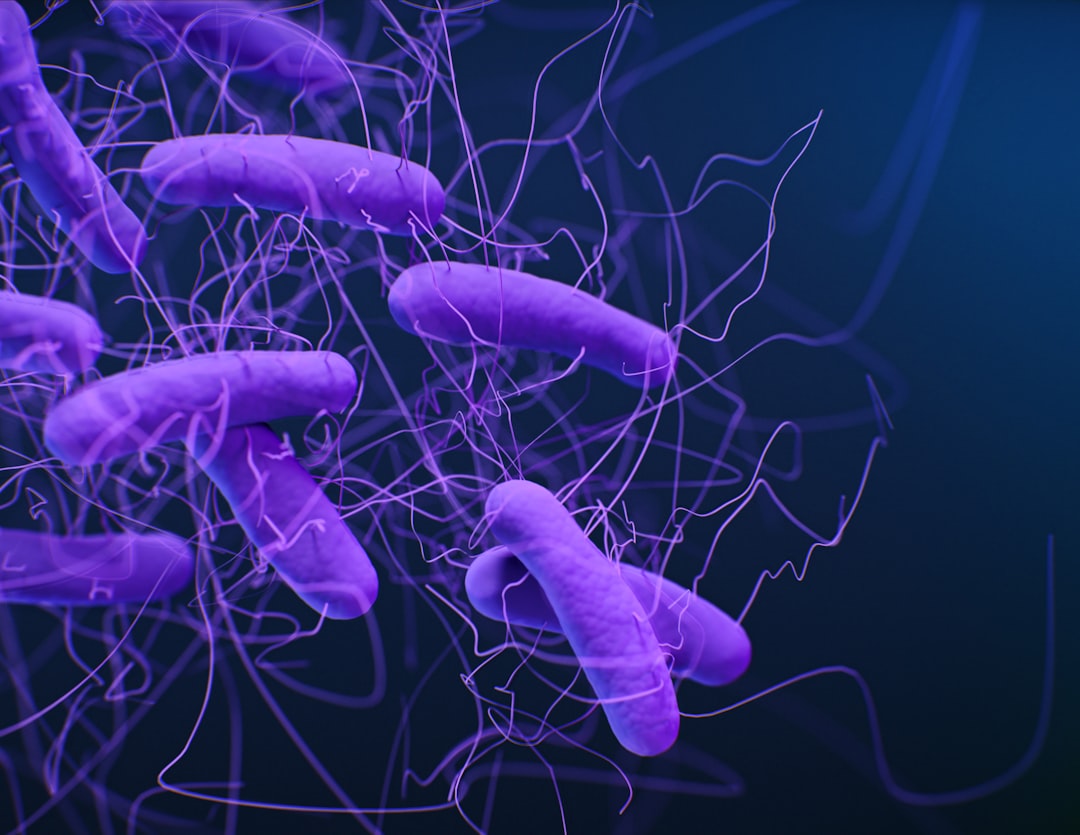
How do these tiny droplets actually destroy hardy organisms like bacteria and mold? It all comes down to physical chemistry and cellular biology.
When the microscopic fog droplets contact a pathogen—whether it’s a bacterial cell or a fungal spore—they initiate a multi-layered attack:
- Membrane Permeabilization: The active ingredients in the fogging solution (such as quaternary ammonium compounds, botanical phenols, or glycol vapors) bind to the outer cell wall or membrane of the microbe. They disrupt the lipid bilayer, essentially popping the protective outer shell of the organism.
- Protein Disruption: Once the outer membrane is compromised, the sanitizing agents penetrate the cell and denature its internal proteins and enzymes. Without functional proteins, the microbe cannot carry out basic metabolic processes.
- Reducing Water Activity: Highly hygroscopic solutions, such as propylene glycol or triethylene glycol (TEG) vapors, work through humidity-dependent partitioning. When introduced into the air, they rapidly pull moisture out of suspended respiratory droplets and microbial structures. By stripping away this essential moisture, they drastically reduce the "water activity" required for the cell to survive, leading to rapid inactivation.
This scientific mechanism is highly effective against a broad spectrum of biological threats. Because the disinfectant is delivered as a dry mist, it achieves maximum surface contact without wetting materials, making it safe for electronics, paper documents, and delicate home furnishings.
How Microbial Fogging Eliminates Bacteria and Mold vs. Traditional Cleaning
To appreciate the power of microbial fogging, we have to compare it to traditional manual cleaning. Manual wiping with a sponge or microfiber cloth is excellent for removing bulk dirt, grease, and visible grime. However, it has serious physical limitations.
Manual cleaning relies entirely on line-of-sight and physical reach. If you can't see a spot or reach it with your hand, it doesn't get disinfected. Spores and bacteria love to hide in textured plaster, behind baseboards, under heavy furniture, and inside the dark, humid channels of your HVAC system. Furthermore, manual wiping can sometimes spread pathogens from one surface to another if the cleaning cloth isn't changed frequently enough.
Microbial fogging eliminates these human errors and physical barriers. Because the submicron particles float freely, they achieve 100% coverage of all exposed surfaces, including the ones you cannot see.
| Feature | Traditional Manual Cleaning | Microbial Fogging |
|---|---|---|
| Reach & Coverage | Limited to reachable, flat surfaces | Penetrates cracks, crevices, fabrics, and air ducts |
| Pathogen Targeting | Primarily surface-bound dirt and bacteria | Airborne and surface-bound bacteria, mold, and viruses |
| Labor & Time | Highly intensive, takes hours or days | Fast application, takes minutes to fill a room |
| Material Safety | Can leave surfaces wet; risk of water damage | Dry mist is non-damaging to electronics and fabrics |
| Efficacy | Subject to human error and missed spots | Consistent, uniform distribution via ULV technology |
Reaching Hidden Pathogens in HVAC Systems
Your heating and cooling system is the respiratory tract of your home. If mold or bacteria take root inside your ductwork, every time your system kicks on, it distributes those microscopic contaminants throughout your entire living space.
Traditional duct cleaning uses brushes and vacuums to pull out physical dust, pet dander, and debris. While this mechanical cleaning is vital, it cannot kill the microscopic mold spores clinging to the metal or flex-duct walls.
Applying a microbial fogging service directly into your ductwork acts as an advanced encapsulation and sterilization process. The fog drifts through the entire system, coating the bends, coils, fans, and plenums that manual tools simply cannot touch. By neutralizing these hidden reservoirs, you maintain a healthy duct system healthy indoor air quality and stop the continuous cycle of recontamination.
Key Environments and Situations That Benefit Most
While every home can benefit from cleaner air, certain situations make microbial fogging an absolute necessity.
- Water Damage and Flooding: High humidity and standing water are open invitations for mold growth. After the physical water is extracted and dried, fogging penetrates deep into the framing, drywall cavities, and flooring to kill residual mold spores before they can colonize.
- Post-Renovation Cleanups: Construction projects kick up massive amounts of dust, drywall particles, and old insulation fibers. These particles can carry dormant bacteria and mold. Fogging binds to these airborne particulates, dropping them out of the air while sterilizing the entire space.
- Persistent Allergy Flare-ups: If your family experiences chronic sneezing, watery eyes, or respiratory irritation, it may be due to high levels of airborne allergens. Fogging neutralizes pollen fragments, pet dander proteins, and mold spores, helping you manage allergy season indoor air quality.
- Moving into a New Home: You never truly know what the previous occupants (or their pets) left behind. Fogging provides a clean slate, sanitizing the air and surfaces before your family unpacks.
Residential and Commercial Applications in Conroe
From cozy family homes in Walden and April Sound to bustling commercial offices, gyms, and schools in Conroe and The Woodlands, microbial fogging offers scalable protection.
In commercial settings like local gyms, high traffic means a constant introduction of sweat, bacteria, and viruses. Traditional wipe-downs of exercise equipment are helpful, but they don't clean the air or the high-up corners of the room. Regular dry fogging in these facilities drastically reduces the overall bioburden, creating a safer environment for everyone.
For local businesses, keeping employees healthy is crucial. Scientific research shows that implementing dry fogging in high-occupancy environments, such as pediatric daycare centers and offices, significantly reduces illness-related absenteeism. Whether you are running a business or protecting your family, our ultimate Conroe air purification guide can help you design a comprehensive strategy to keep your indoor air fresh and clean.
Safety, Efficacy, and Best Practices for Homeowners
A common question we hear from homeowners is: "If this fog is strong enough to kill bacteria and mold, is it safe for my family?"
The answer lies in the type of solutions used. Modern professional microbial fogging relies on highly advanced, non-corrosive, and pH-neutral disinfectants. Many of these solutions utilize botanical active ingredients, such as thymol (derived from thyme oil) or food-grade propylene glycol, which is classified by the FDA as "Generally Recognized as Safe" (GRAS).
In fact, propylene glycol has been safely used for over 70 years in medical asthma inhalers, theatrical fog machines, and as a carrier for antibacterial products in hospitals. When applied correctly by trained professionals, microbial fogging is incredibly safe, non-toxic, and non-carcinogenic.
Understanding How Microbial Fogging Eliminates Bacteria and Mold Safely
To ensure maximum safety and effectiveness, we follow strict industry best practices during every application:
- Evacuation Protocols: While the active ingredients are non-toxic, inhaling any aerosolized mist directly during application can cause mild respiratory irritation. Therefore, we require all human occupants and pets to temporarily vacate the treated areas during the fogging process.
- Proper Contact Time: Disinfectants require a specific "wet contact time" (usually between 10 and 60 minutes) to thoroughly penetrate and destroy microbial cell walls. We ensure the fog remains densely suspended for the exact duration specified on the product label.
- Thorough Ventilation: After the contact time is complete, we open windows or run ventilation systems to completely clear the air. Once the fog has fully dissipated (usually within 1 to 2 hours), it is completely safe for children, pregnant women, and pets to re-enter.
- Monitoring and Testing: To verify the success of the treatment, we recommend monitoring air quality before and after. This scientific approach ensures we enhance well-being with home air quality without relying on guesswork.
How long does the protection from microbial fogging last?
Microbial fogging provides immediate, highly effective sterilization of the air and surfaces. Many advanced fogging solutions also leave behind an invisible, microscopic residual barrier on hard surfaces. This barrier continues to inhibit the growth of bacteria and mold for several weeks or even months after the initial application.
However, it is important to remember that fogging is not a permanent shield. The duration of this residual protection depends heavily on environmental factors, particularly humidity. If your home experiences ongoing high humidity (above 60%) or active water leaks, new mold spores drifting in from the outdoors will eventually find a way to grow.
To maintain pristine conditions year-round, pairing fogging with a high-efficiency whole home air purification system or maintaining a regular schedule for your HVAC air filter change guide 2026 is highly recommended.
Is microbial fogging safe for pets and plants?
Yes! Because we prioritize eco-friendly, botanical, and pH-neutral solutions, professional fogging is completely safe for house plants and pets once the space has been properly ventilated. Unlike harsh chlorine-based sprays or chemical pesticides, our formulas do not leave behind toxic residues or corrosive films that could harm curious pets who lick surfaces.
Can fogging completely replace physical mold remediation?
It is crucial to understand the limitations of fogging when it comes to severe mold infestations. Fogging cannot replace physical mold remediation.
According to professional industry standards (such as the IICRC guidelines), proper mold remediation requires two fundamental steps:
- Controlling the Moisture Source: Mold cannot grow without water. If you don't fix the underlying plumbing leak, high humidity, or roof leak, the mold will inevitably return.
- Physical Removal of Contaminated Materials: Dead mold spores still contain allergenic and toxigenic properties. Simply "killing" mold with a fogger and leaving the black stains on your drywall does not eliminate the health risks. Porous materials like heavily mold-damaged drywall, carpet padding, and insulation must be physically cut out and discarded.
Fogging should be used as a powerful supplemental treatment. Once the moisture source is fixed and the bulk of the moldy material is physically removed under containment, microbial fogging is the ultimate final step. It sterilizes the remaining structural framing, reaches deep into wall cavities, and clears any lingering airborne spores, ensuring your home is truly safe. To keep your air clean after remediation, installing a dedicated HEPA filtration system can provide continuous, laboratory-grade air cleaning.
Scientific Evidence Supporting Microbial Fogging
You don't have to take our word for it—the science backing dry fogging is extensive and incredibly robust.
In a rigorous long-term academic study conducted in an active hospital inpatient ward, researchers evaluated the impact of scheduled dry fogging on environmental pathogens. The results were staggering:
- Airborne Contamination: Daily dry fogging reduced airborne microbial colonies from 439 down to just 27 over a 180-day period in treated rooms. This represented a highly significant statistical reduction (time coefficient −155.85, SE = 19.192, p < 0.001).
- Surface Contamination: The surface microbial burden in treated rooms showed a consistent, steady downward trend (time coefficient −5.161, SE = 2.002, p = 0.010).
- Targeted Pathogens: Common hospital-acquired pathogens, including Coagulase-negative Staphylococcus, saprophytes, fungal hyphae, and Enterococcus species, all showed statistically significant negative trends in isolation counts after fogging (Kendall’s Tau near −1, p < 0.05).
Furthermore, comparative medical studies have shown that dry fogging actually outperformed traditional liquid glutaraldehyde in disinfecting sensitive medical ventilator tubes, significantly reducing the risk of ventilator-associated pneumonia in critical care settings. When applied to schools, daycare centers, and homes, this exact same professional-grade technology works tirelessly to protect your loved ones from seasonal illnesses and environmental allergens.
Conclusion
Your home should be a safe haven, a place where you can breathe deeply and relax without worrying about invisible mold spores, bacteria, or seasonal viruses. While standard cleaning keeps your home looking beautiful, microbial fogging is the key to ensuring it is truly healthy on a microscopic level.
By dispersing ultra-fine, non-toxic sanitizing droplets throughout your living spaces and HVAC systems, this advanced technology neutralizes pathogens in the air and on surfaces, reaching the hidden corners that traditional cleaning simply cannot touch.
At Carl's Cooling LLC, we are dedicated to helping families and businesses across Conroe, Montgomery, Willis, and the surrounding Montgomery County areas enjoy pristine indoor air. Whether you are recovering from recent water damage, preparing for allergy season, or simply want to elevate your home's health, we are here to help.
Ready to transform your indoor environment? Schedule an indoor air quality consultation with Carl's Cooling LLC today, and let our family take care of yours!