
How a Heat Pump Works — And Why It Matters for Your Home Comfort
How does a heat pump work? Here's the short answer:
- Absorb heat — A refrigerant circulates through an outdoor coil and absorbs heat energy from the air (or ground).
- Compress — The compressor raises the refrigerant's pressure, which increases its temperature significantly.
- Release heat — The hot refrigerant moves to the indoor coil and releases that heat into your home.
- Expand and repeat — An expansion valve drops the pressure, cooling the refrigerant down so the cycle starts again.
In summer, the cycle simply runs in reverse — pulling heat out of your home and dumping it outside, just like an air conditioner.
That's it. No burning fuel. No combustion. Just heat moved from one place to another using electricity.
If you've ever wondered why your neighbor's energy bills are lower even though their home is the same size as yours, a heat pump might be the reason. These systems can deliver up to three to four times more heating energy than the electricity they consume — a level of efficiency that gas furnaces and electric resistance heaters simply can't match.
Heat pumps have quietly become one of the most practical home comfort upgrades available today. In 2022, more heat pumps were sold in the United States than natural gas furnaces — a real signal that homeowners are paying attention. And with modern cold-climate models now operating efficiently in temperatures as low as -22°F (-30°C), the old concern that heat pumps "don't work in the cold" is largely outdated.
Whether you're replacing an aging HVAC system or just curious about how this technology works, understanding the basics of a heat pump puts you in a much better position to make a smart decision for your home.
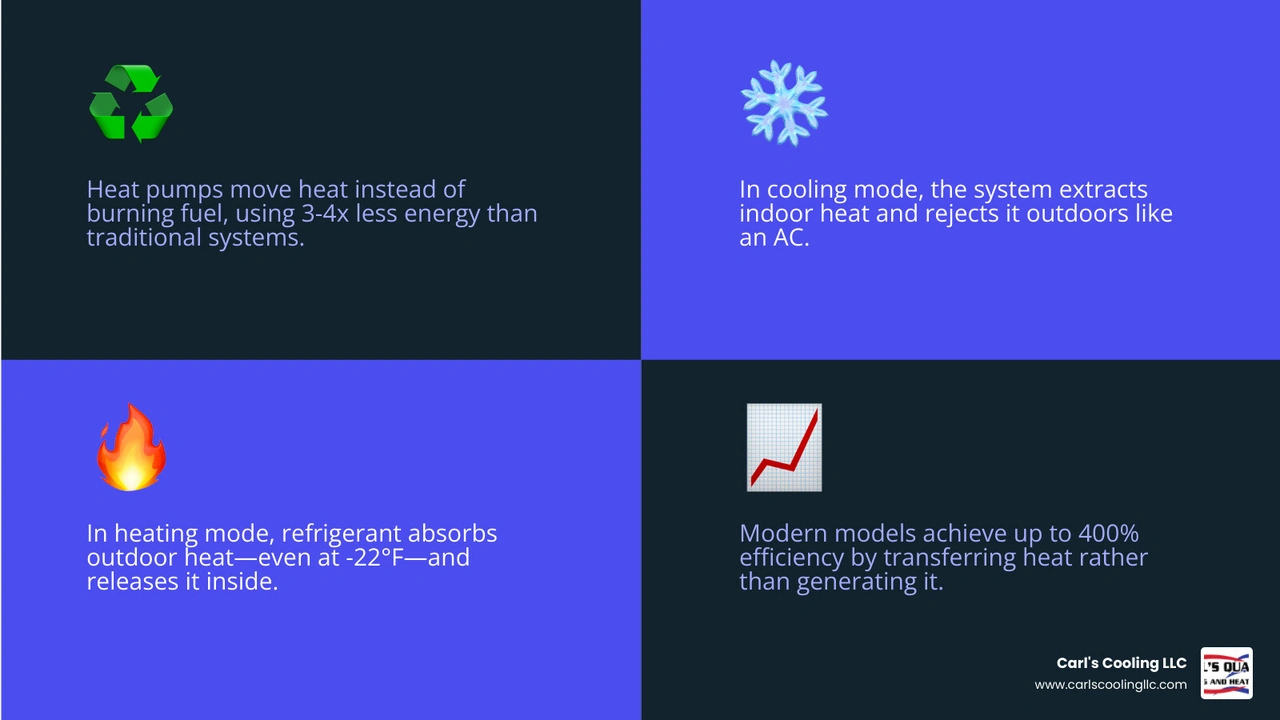
How does a heat pump work terms to remember:
- are heat pumps ideal for hot humid climates
- heat pump advantages over traditional hvac
- heat pump benefits for texas homeowners
What Is a Heat Pump and How Does It Differ From Traditional HVAC?
To truly appreciate a heat pump, it helps to understand what it doesn't do. Traditional heating systems, like natural gas furnaces or electric baseboard heaters, are "heat creators." They rely on combustion fuel (burning gas, heating oil, or propane) or high-resistance electrical currents to generate thermal energy from scratch.
While modern condensing gas furnaces are highly engineered, they are thermodynamically limited. Even the most efficient furnace cannot exceed 98.5% efficiency because it cannot produce more heat energy than the chemical potential of the fuel it burns. Electric resistance heaters are locked at exactly 100% efficiency—converting 1 kilowatt-hour (kWh) of electricity into exactly 1 kWh of heat.
A heat pump, on the other hand, is a "heat mover." It does not create heat; it simply redirects existing thermal energy from one environment to another using electricity to power a compressor and fan. Because moving heat requires significantly less energy than creating it, a heat pump can achieve efficiencies of 300% to 400% or higher. This means for every 1 kWh of electricity consumed, the system can transfer 3 to 4 kWh of thermal energy into your living space.
This fundamental difference is why so many property owners in Conroe, Spring, and Montgomery are exploring these systems. If you want to dive deeper into how these thermodynamic differences translate to real-world savings, check out our guide on Heat Pump Advantages Over Traditional HVAC.
How Does a Heat Pump Work in Heating and Cooling Modes?
The true magic of a heat pump lies in its versatility. It is a single, unified HVAC system that handles both your summer cooling and winter heating needs. It achieves this dual functionality using a small but critical component: the reversing valve.
In a standard air conditioner, refrigerant flows in one direction, absorbing heat from your indoor air and rejecting it outside. A heat pump operates on the exact same vapor-compression refrigeration cycle, but the reversing valve allows it to physically reverse the direction of the refrigerant flow. By changing which coil acts as the evaporator and which acts as the condenser, the system can instantly switch between cooling your home and heating it.
However, if your system is struggling to transition or maintain comfort, you might find yourself dealing with a Heat Pump Not Cooling, which is often a sign of a malfunctioning reversing valve, a refrigerant leak, or electrical issues that require professional attention.
How does a heat pump work in summer cooling mode?
During our scorching Texas summers in areas like Willis and Magnolia, a heat pump operates identically to a high-efficiency central air conditioner.
- Indoor Absorption: Warm air from your home is pulled across the indoor coil (which acts as the evaporator coil in this mode). Cold, liquid refrigerant circulating inside the coil absorbs the heat from your indoor air, causing the refrigerant to evaporate into a low-pressure gas.
- Compression: This gas travels to the outdoor unit, where the compressor squeezes it. Squeezing the gas raises its pressure and concentrates the heat, raising its temperature significantly.
- Outdoor Rejection: The hot gas enters the outdoor coil (acting as the condenser). A fan blows outdoor air across the coil, transferring the heat from the refrigerant to the outside air. As it cools, the refrigerant condenses back into a high-pressure liquid.
- Expansion: The liquid refrigerant passes through an expansion valve, which drops its pressure and temperature rapidly, preparing it to return to the indoor coil to repeat the process.
Beyond lowering the temperature, this cycle provides exceptional dehumidification. As warm, humid indoor air passes over the cold evaporator coil, moisture in the air condenses on the coil's surface and drains away, acting as a whole-home dehumidifier. This makes them incredibly valuable in our local climate. To learn more about this specific benefit, read our analysis on Are Heat Pumps Ideal for Hot Humid Climates.
How does a heat pump work in winter heating mode?
When the temperature drops, the reversing valve flips, and the entire process runs in reverse.
- Outdoor Extraction: The outdoor coil now acts as the evaporator. Even when it feels chilly outside, the outdoor air still contains a massive amount of ambient thermal energy (thermodynamically, any air temperature above absolute zero contains heat). The cold refrigerant circulating in the outdoor coil absorbs this heat, evaporating into a gas.
- Compression: The compressor squeezes this gas, raising its temperature to a level warm enough to heat your home.
- Indoor Release: The hot gas is pumped to the indoor coil (now acting as the condenser). Your home's blower fan pushes indoor air across the hot coil, warming the air before distributing it through your ductwork. As the refrigerant releases its heat, it condenses back into a liquid.
- Expansion: The refrigerant passes through the expansion valve to lower its pressure and temperature before heading back outside to gather more heat.
Modern cold-climate heat pumps use variable-speed scroll compressors and advanced refrigerants with lower boiling points to maintain high heating capacities even in sub-freezing weather. In extreme cold events where the outdoor temperature falls below the system's optimal operating threshold, an auxiliary or supplementary electric resistance heater inside the indoor air handler can kick on to provide a temporary boost.
For local homeowners navigating everything from mild winters to sudden cold snaps, this technology is incredibly reliable. You can read more about these regional benefits in our article on Heat Pump Benefits for Texas Homeowners.
Key Components and Types of Heat Pump Systems

To understand how does a heat pump work, it helps to look at the physical components that make the refrigeration cycle possible:
- The Compressor: Often called the heart of the system, the compressor pumps refrigerant through the loop and increases its pressure and temperature. Variable-speed (or inverter-driven) compressors are highly efficient because they can adjust their speed incrementally to match your home's exact heating or cooling load, rather than turning completely on or off.
- The Condenser and Evaporator Coils: These are heat exchangers. In cooling mode, the indoor coil is the evaporator (absorbing heat) and the outdoor coil is the condenser (releasing heat). In heating mode, their roles swap.
- The Expansion Valve: This device regulates the flow of refrigerant into the evaporator coil, lowering its pressure and temperature so it can absorb heat efficiently.
- The Reversing Valve: The directional switch that alters the path of the refrigerant, allowing the system to toggle between heating and cooling.
Types of Heat Pumps
Depending on your property's geography, layout, and existing infrastructure, different types of heat pumps may be utilized:
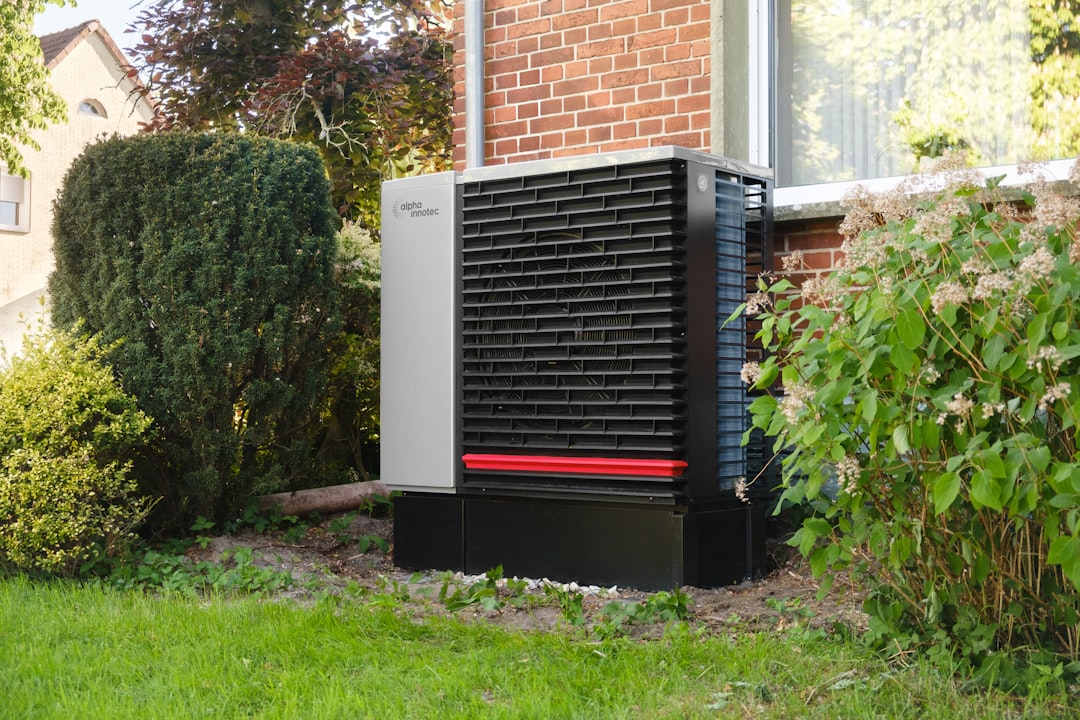
- Air-Source Heat Pumps: The most common residential type. These systems transfer heat between your indoor air and the outdoor air. They are highly versatile, available as ducted central systems or ductless mini-splits (ideal for homes without existing ductwork).
- Ground-Source (Geothermal) Heat Pumps: These systems transfer heat between your home and the ground. Because ground temperatures a few feet below the surface remain constant year-round (usually around 50°F to 60°F), geothermal systems operate with incredibly high, stable efficiency, though they require ground loops to be buried on your property.
- Water-Source Heat Pumps: Similar to geothermal systems, but they dissipate or extract heat from a nearby body of water, such as a lake, pond, or well network.
| Heat Pump Type | Primary Heat Source/Sink | Typical Heating Efficiency (COP) | Key Advantage | Best Suited For |
|---|---|---|---|---|
| Air-Source | Outdoor Air | 2.0 – 5.4 | Lower installation footprint, highly versatile | Most residential homes |
| Ground-Source | Earth/Soil | 3.0 – 6.0 | Extreme efficiency, unaffected by air temp | Large properties, new construction |
| Water-Source | Well or Surface Water | 3.0 – 6.0 | Highly stable thermal transfer | Properties near water sources |
When evaluating these systems, you will encounter several industry efficiency metrics:
- COP (Coefficient of Performance): The ratio of heating or cooling provided to the electrical energy consumed. A COP of 4 means the system delivers 4 units of thermal energy for every 1 unit of electricity.
- SEER2 (Seasonal Energy Efficiency Ratio 2): Measures cooling efficiency over a typical cooling season. Higher SEER2 ratings indicate lower summer electric bills.
- HSPF2 (Heating Seasonal Performance Factor 2): Measures heating efficiency over a typical heating season.
Investing in an Energy Efficient Heat Pump with high SEER2 and HSPF2 ratings ensures maximum long-term utility savings and reliable year-round performance.
Installation, Maintenance, and Lifespan Considerations
A heat pump is a highly sophisticated piece of machinery. To ensure it delivers the efficiency and comfort it is designed for, proper installation, routine upkeep, and an understanding of its lifespan are critical.
Professional Installation
An improperly sized heat pump will short-cycle (turn on and off too frequently), leading to premature component wear, uneven indoor temperatures, and high energy bills. Our team performs detailed heating and cooling load calculations to match the equipment precisely to your home's unique footprint.
If you live in Conroe, check out our comprehensive Heat Pump Installation Conroe Guide. For those located slightly further south, we also offer a dedicated Heat Pump Installation Woodlands TX Guide to help you navigate the local permitting and system selection process.
Bi-Annual Maintenance
Because heat pumps work hard during both the hot summer months and the chilly winter days, they require regular preventative care. We recommend scheduling professional maintenance twice a year—once in the spring before the cooling season, and once in the fall before the heating season.
Standard maintenance tasks include cleaning the coils, checking refrigerant levels, inspecting electrical connections, lubricating moving parts, and verifying proper thermostat calibration. Between professional visits, you should check your air filters monthly and replace them at least every 90 days to maintain unobstructed airflow.
For practical maintenance checklists, consult our Heat Pump Maintenance Tips Conroe TX or our regional resource, the Best Woodlands TX Heat Pump Maintenance Guide.
Expected Lifespan
With proper care and biannual maintenance, a high-quality residential heat pump typically lasts about 15 years. Because they run year-round, keeping up with preventative service is the single best way to maximize their operational life and keep your energy bills low.
Frequently Asked Questions About Heat Pumps
Do heat pumps work in extreme cold weather?
Yes! While older heat pumps struggled when temperatures dipped below freezing, modern cold-climate heat pumps are engineered to perform beautifully in extreme cold. Many models can operate efficiently in temperatures as low as -22°F (-30°C). They achieve this through variable-speed inverter compressors, advanced electronic expansion valves, and specialized refrigerants that can absorb heat even from freezing outdoor air. For extra peace of mind during rare, severe winter storms, these systems are typically installed with auxiliary electric heating elements that automatically activate if needed.
Are there government incentives or rebates for heat pumps?
Yes, there are significant incentives available to help homeowners transition to energy-efficient heat pump technology. Under the federal Inflation Reduction Act, eligible taxpayers can claim a 25C tax credit covering up to 30% of the cost of qualifying ENERGY STAR certified heat pump installations (up to a maximum credit of $2,000). Additionally, local utility companies and state-level programs frequently offer rebates for high-efficiency HVAC upgrades.
How much energy do heat pumps save compared to gas boilers or furnaces?
On average, heat pumps are 3 to 5 times more energy-efficient than traditional gas boilers or furnaces. While a high-efficiency condensing gas furnace might reach 95% to 98% efficiency, a heat pump operates at 300% to 500% efficiency because it transfers existing heat instead of burning fuel to create it. This dramatic reduction in energy consumption directly lowers your household carbon footprint and can lead to substantial savings on your monthly utility bills, particularly in regions with moderate winter climates.
Conclusion
Understanding how does a heat pump work reveals why this technology has become the go-to choice for modern home comfort. By leveraging the elegant physics of the refrigeration cycle, these systems provide highly efficient, year-round heating and cooling without relying on fossil fuels.
At Carl's Cooling LLC, we are committed to helping families throughout Conroe, Montgomery, The Woodlands, Spring, and the surrounding areas enjoy reliable, energy-efficient indoor comfort. Whether you need a quick repair, preventative maintenance, or are ready to upgrade your home's HVAC system, our experienced team is here to help.
Explore our complete range of Heat Pump Services or take the next step toward lower energy bills and reliable comfort when you Schedule your heat pump installation in Tomball, TX today.