

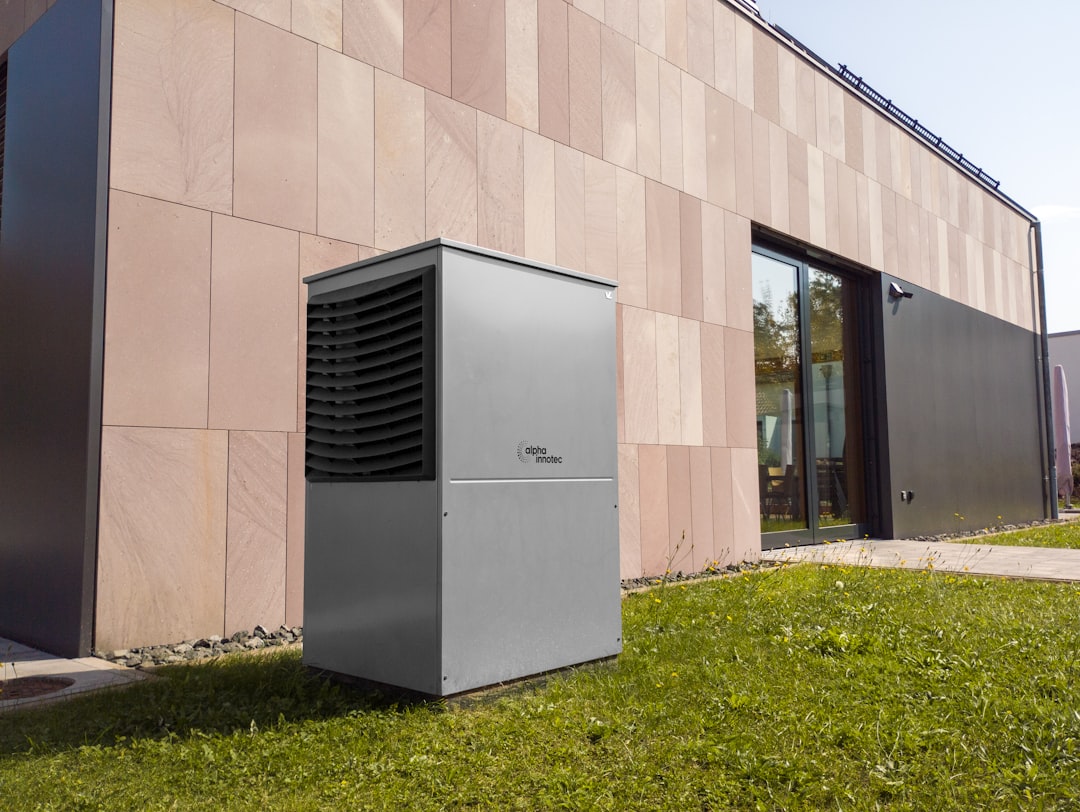

Heat Pump Advantages Over Traditional HVAC: What Homeowners Need to Know in 2026
Understanding the heat pump advantages over traditional HVAC systems can help you make a smarter, longer-lasting decision for your home's comfort and energy bills. If you're weighing your options before replacing an aging furnace or AC unit, here's a quick breakdown of why heat pumps are gaining serious ground:
Top Heat Pump Advantages Over Traditional HVAC at a Glance:
- Energy efficiency - Heat pumps deliver 2 to 3 units of heating or cooling energy for every 1 unit of electricity used, making them far more efficient than gas furnaces or electric resistance heating
- One system, two functions - A single heat pump replaces both your furnace and your air conditioner
- Lower operating costs - The average U.S. household saves around $370 per year by switching; savings can reach $1,000 or more when replacing propane, fuel oil, or electric resistance heating
- Reduced carbon emissions - Air-source heat pumps can cut household CO2 emissions by roughly 40% compared to gas furnaces
- Consistent comfort - Heat pumps run in longer, gentler cycles rather than blasting hot or cold air on and off, which means more even temperatures throughout your home
- Better humidity control - Variable-speed models are especially effective at managing indoor humidity, a major concern in climates like Conroe, Texas
- Available incentives - Federal programs under the Inflation Reduction Act offer up to $8,000 in rebates and tax credits for qualifying homeowners in 2026
More than 5 million heat pumps were sold across the U.S. in 2024 — outselling traditional gas furnaces for the first time. That shift reflects a real change in how homeowners think about heating and cooling. Whether you're replacing a system that's breaking down or simply planning ahead, knowing how these two technologies stack up is the first step toward making the right call for your home and budget.
What is a Heat Pump and How Does It Work?
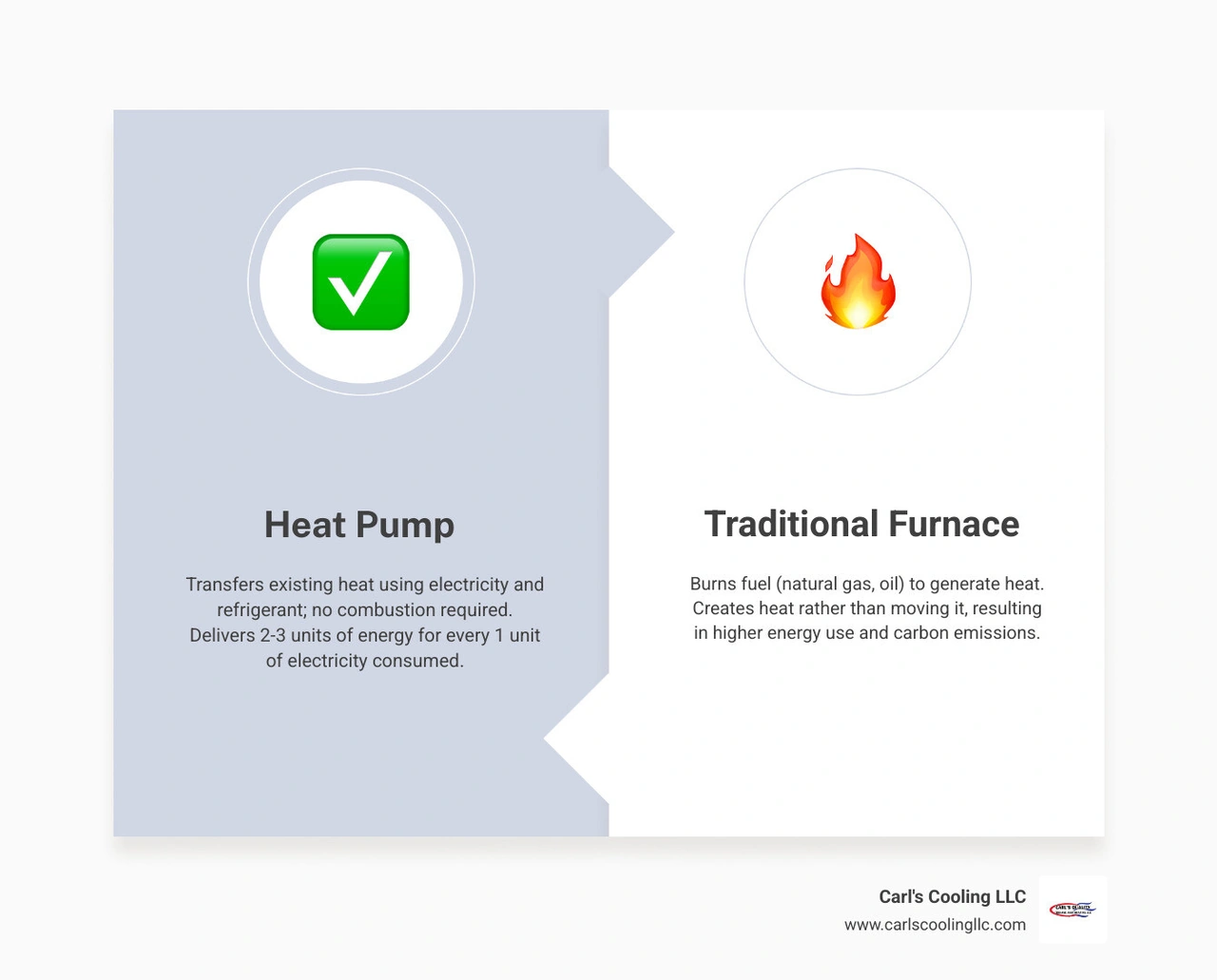
To truly appreciate the technology, it helps to understand that a heat pump doesn't actually create heat. Instead, it is a heat-transfer machine. Think of it as a two-way air conditioner.
In the summer, a heat pump works exactly like a standard central air conditioner. It uses a specialized refrigerant cycle to absorb the warm air from inside your home and pump it outdoors, leaving your living spaces cool and refreshing.
However, when winter arrives in Southeast Texas, a traditional air conditioner sits idle while a separate furnace kicks on to burn natural gas or use electric resistance coils to generate heat. A heat pump, on the other hand, simply reverses its refrigerant cycle using a component called a reversing valve. It extracts ambient heat from the outdoor air—yes, even when it feels cold outside, there is still thermal energy in the atmosphere—and transfers that heat indoors to warm your home.
Because they move heat rather than generating it through combustion or high-resistance electricity, heat pumps are incredibly efficient. For homeowners who want to streamline their mechanical systems, we offer comprehensive Heat Pump Services to keep these dual-function systems running perfectly.
For homes with existing ductwork, transitioning to a heat pump is often a straightforward process. If you are curious about what the installation process looks like in our local area, you can read our detailed Heat Pump Installation Conroe Guide to learn more about sizing, ductwork compatibility, and setup requirements.
In some cases, homeowners choose a "dual-fuel" or hybrid system. This setup pairs an electric heat pump with a traditional gas furnace. The heat pump handles all the cooling and provides highly efficient heating during our typically mild Texas autumns and winters. If temperatures ever drop to extreme, unusual lows, the system automatically switches to the gas furnace to ensure your home stays perfectly warm without overworking the electric system.
Understanding Heat Pump Advantages Over Traditional HVAC in Hot Climates
While much of the national conversation around heat pumps focuses on winter heating, the cooling advantages of modern heat pumps in hot, humid climates like Conroe, Montgomery, and The Woodlands are spectacular.
Standard air conditioners often run on single-stage compressors, meaning they are either 100% on or completely off. This leads to frequent on-and-off cycling, which can leave your home feeling sticky because the system doesn't run long enough to pull moisture out of the air.
Many modern heat pumps feature variable-speed inverter compressors. These systems can scale their output up or down to match your home’s exact cooling needs. Instead of shutting off, they run continuously at a lower, highly efficient speed. This continuous airflow allows the system to pull massive amounts of moisture out of the air, keeping your indoor humidity levels perfectly balanced.
If you want to dive deeper into how these systems handle our intense local summers, check out our article on Are Heat Pumps Ideal for Hot Humid Climates.
Cold Weather Performance and Backup Heating
A common myth left over from the 1980s is that heat pumps cannot handle cold weather. While older models struggled when temperatures dipped toward freezing, modern cold-climate heat pumps are engineered to perform in sub-zero environments. Many advanced models can maintain 100% heating capacity down to 5°F and operate efficiently well below zero.
During cold snaps, heat pumps occasionally run a defrost cycle to prevent ice from building up on the outdoor coils. The system temporarily reverses itself to warm the outdoor unit for a few minutes while utilizing a small auxiliary electric heating element indoors so you never feel a chill.
For local homeowners, ensuring your system is optimized for these occasional cold fronts is key. You can find excellent tips on maximizing winter performance in our guide on Heat Pump Services for Winter Efficiency.
Key Heat Pump Advantages Over Traditional HVAC
When comparing a heat pump to a traditional furnace-and-AC combo, several clear benefits emerge:
- Unmatched Energy Efficiency: Traditional gas furnaces max out at around 97% to 98% efficiency, meaning a small portion of the energy you pay for literally goes up the exhaust flue. Heat pumps routinely achieve efficiencies of 200% to 400% because they are transferring existing heat rather than creating it.
- Lower Carbon Footprint: Because they run entirely on electricity, heat pumps do not burn fossil fuels at your home. This can reduce your household's heating-related carbon emissions by up to 40%. As the Texas power grid integrates more renewable energy, your heat pump automatically becomes even cleaner over time.
- Streamlined Maintenance: Instead of maintaining a separate outdoor AC condenser and an indoor gas furnace, you are caring for a single, unified system that handles both jobs.
- Enhanced Safety: With no natural gas combustion inside your home, you eliminate the risks associated with gas leaks, combustion exhaust, and carbon monoxide exposure.

Long-Term Financial Heat Pump Advantages Over Traditional HVAC
While a complete HVAC upgrade represents a significant investment in your property, the long-term operational savings of a heat pump are substantial.
Because a heat pump is so efficient, it can drastically reduce your monthly utility bills. The average American household saves roughly $370 annually by making the switch. For homes currently relying on propane, heating oil, or standard electric resistance baseboards, those annual savings can easily climb closer to $1,000 to $1,500.
To explore how these systems maximize every kilowatt of electricity, take a look at our resource on the Energy Efficient Heat Pump.
Home Comfort and Indoor Air Quality Benefits
Beyond the financial savings, heat pumps simply provide a more comfortable living environment.
Traditional furnaces heat your home using intense, hot blasts of air. Once the thermostat is satisfied, the system shuts off, leading to noticeable temperature swings and drafty cold spots.
Heat pumps deliver air at a gentler, more consistent temperature. Because variable-speed models run almost continuously at lower speeds, they keep the air in your home moving through your filtration system constantly. This continuous filtration removes dust, pollen, and pet dander far more effectively than a system that only runs occasionally, resulting in cleaner, healthier indoor air quality for your family.
Comparing Heat Pumps vs. Traditional HVAC Systems
To help you visualize how these systems compare side-by-side, we've broken down the key differences below:
| Feature | Heat Pump System | Traditional HVAC (Furnace + AC) |
|---|---|---|
| Primary Fuel Source | Electricity | Electricity (Cooling) + Gas/Propane (Heating) |
| System Footprint | One outdoor unit + one indoor air handler | One outdoor AC + one indoor furnace |
| Heating Efficiency | 200% to 400% (COP of 2 to 4+) | 80% to 98% AFUE |
| Cooling Efficiency | Comparable SEER2 ratings | Comparable SEER2 ratings |
| Average Lifespan | 12 to 15 years | 15 to 20 years (Furnace); 10 to 15 years (AC) |
| Carbon Emissions | Zero direct emissions | Moderate direct emissions from gas combustion |
| Dehumidification | Excellent (especially variable-speed models) | Standard |
As we move through 2026, new environmental regulations are also shifting the HVAC landscape. The industry-wide transition to low-GWP (Global Warming Potential) refrigerants like R-454B and R-32 is now standard for all newly manufactured systems. Whether you choose a heat pump or a traditional AC, these new refrigerant rules mean modern systems are more eco-friendly than ever.
If your current system is getting older and you aren't sure which direction to go, our guide on How to Decide Between Repair and Replacement can help you weigh your options.
Maintenance and Lifespan Expectations
Because a heat pump works hard all year long—cooling you down in July and keeping you warm in January—it does require consistent care. While a standalone furnace only runs for a few months out of the year, a heat pump's compressor and fan motor operate year-round.
To keep your system running reliably, we recommend scheduling professional maintenance twice a year: once in the spring to prepare for our brutal summer heat, and once in the autumn before the cooler winter months arrive.
To help you stay on top of this, you can review our Heat Pump Summer Preparation Guide to keep your system running efficiently when temperatures soar.
If you ever run into performance issues or notice unusual noises, it is crucial to address them quickly. Our Heat Pump Repair Conroe Guide explains common warning signs and troubleshooting steps to prevent minor issues from turning into major repairs.
Impact on Home Resale Value and Buyer Demand
As energy costs remain a top concern for home buyers in 2026, energy-efficient upgrades are becoming major selling points on the real estate market. Homes equipped with modern, high-efficiency heat pumps stand out to buyers who want lower utility bills and future-proofed mechanical systems.
Investing in a high-efficiency system not only lowers your immediate living expenses but can also boost your home's long-term marketability. For a deeper look at how upgrades impact your property's equity, read our article on How a New HVAC System Increases Home Value.
When Does a Traditional HVAC System Still Make Sense?
While heat pumps are an incredible choice for the vast majority of homes, there are still scenarios where a traditional furnace and air conditioner setup might make practical sense:
- Existing Gas Infrastructure: If your home already has a highly efficient, relatively new gas furnace and only the air conditioner needs replacement, it may be more practical to install a new standalone AC unit.
- Electrical Panel Limitations: Heat pumps run entirely on electricity. If your home's electrical panel is fully loaded, upgrading to a heat pump might require upgrading your electrical service to 200 amps. If you aren't ready to make that electrical upgrade, keeping a gas furnace can be a viable path.
- Extremely Low Heating Demands: In areas with very mild winters where heating is rarely used, a standard air conditioner paired with a simple, low-cost electric heat strip inside the air handler can sometimes be sufficient, though it won't offer the same efficiency as a true heat pump.
If you ever experience issues where your system is running but failing to lower the indoor temperature, check out our troubleshooting tips on Heat Pump Not Cooling to identify potential airflow or refrigerant issues.
Frequently Asked Questions About Heat Pumps
Do heat pumps work efficiently in freezing temperatures?
Yes! Modern cold-climate heat pumps are designed to extract heat from outdoor air even in freezing temperatures. While standard older models lost efficiency around 40°F, 2026-era heat pumps utilize variable-speed inverter compressors and advanced refrigerants to maintain high Coefficient of Performance (COP) ratings in extreme cold, often requiring zero auxiliary heat in our mild Texas winters.
How do heat pump operating costs compare to gas furnaces?
In most cases, heat pumps are significantly cheaper to run than propane, heating oil, or electric resistance systems. When compared to natural gas, the operating cost comparison depends heavily on your local utility rates. However, because a heat pump eliminates the need for a separate air conditioner, the combined year-round cost of ownership is highly competitive and often results in overall annual savings.
What incentives and tax credits are available for heat pumps in 2026?
Under the federal Inflation Reduction Act, homeowners can claim the Section 25C tax credit, which covers 30% of the cost of a qualifying heat pump installation up to $2,000. Additionally, state-level programs and local utility rebates can provide substantial direct savings, making the transition to a heat pump highly cost-effective.
Conclusion
Making the switch to a heat pump is one of the most effective ways to lower your energy bills, improve your indoor air quality, and keep your home perfectly comfortable all year long. At Carl's Cooling LLC, we are proud to serve our neighbors throughout Conroe, Montgomery, The Woodlands, Tomball, Spring, and surrounding communities with honest, expert advice and top-tier craftsmanship.
Whether you are ready to replace an aging AC or want to explore the long-term benefits of a modern hybrid system, we are here to help you find the perfect solution for your home.
Ready to upgrade your home's comfort and efficiency? Schedule your professional heat pump installation with Carl's Cooling LLC today and let our family take care of yours!


