
Is Annual HVAC Maintenance Worth It? Here's What Homeowners Need to Know
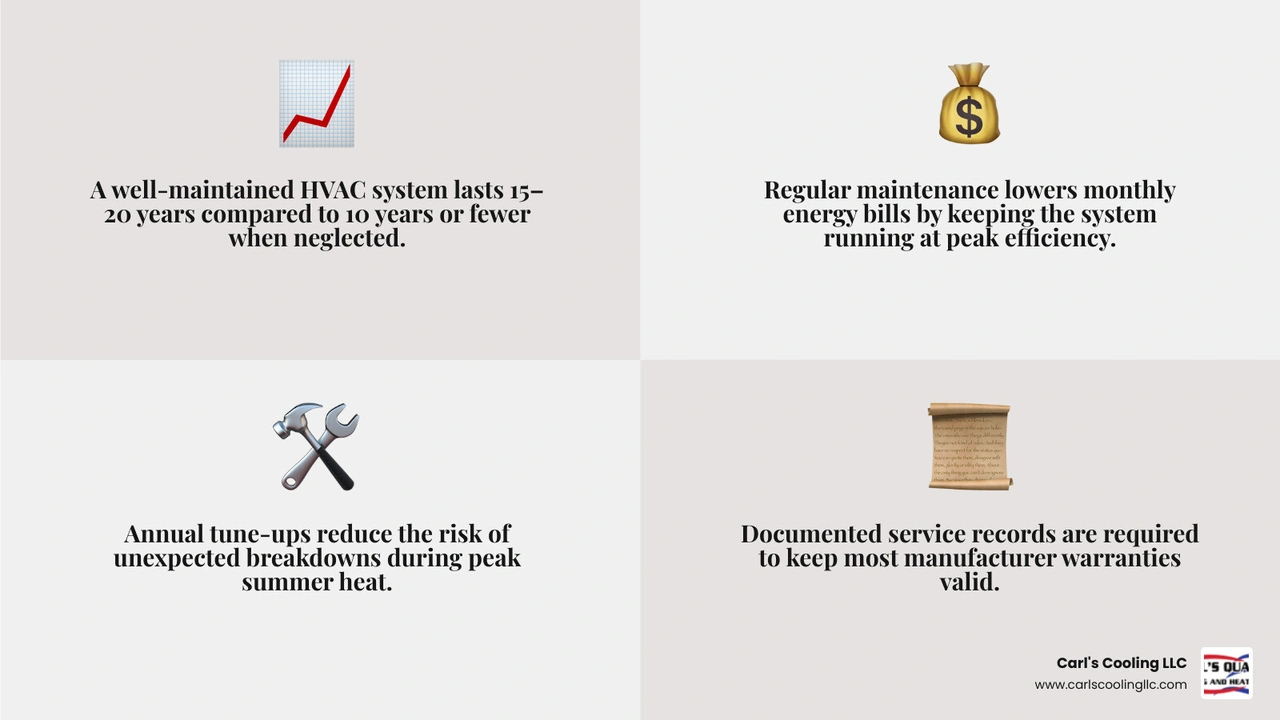
Annual HVAC maintenance is it worth it for most homeowners — and the short answer is yes. A well-maintained system can last 15 to 20 years, while a neglected one often fails in 10 years or fewer. Regular tune-ups also help lower energy bills, reduce the risk of unexpected breakdowns, and keep your manufacturer warranty valid.
Here is a quick summary to help you decide:
| Your Situation | Is Annual Maintenance Worth It? |
|---|---|
| System is 3–15 years old | Yes — strong ROI on repairs prevented and energy saved |
| Brand-new system (under 2 years) | Yes — required to keep warranty active |
| System is 15+ years old | Consider replacement; maintenance still helps short-term |
| You live in a hot climate like Conroe, TX | Yes — systems run harder and wear faster |
| You want priority service during peak season | Yes — plan holders typically get faster response |
Think of it the way you think about oil changes or dentist visits. Skipping one rarely causes an immediate disaster — but skipping several in a row sets off a slow chain reaction of wear, inefficiency, and eventually a costly failure, usually on the hottest afternoon in August.
In Montgomery County, where summer temperatures push HVAC systems to their limits for months at a time, that risk is very real.
What is an HVAC Maintenance Plan and What Does It Include?
An HVAC maintenance plan is a proactive service agreement designed to keep your heating and cooling equipment running safely, reliably, and at peak performance. Instead of waiting for your system to break down during a brutal Southeast Texas heatwave, a maintenance plan schedules regular, seasonal tune-ups to catch minor issues before they turn into major headaches.
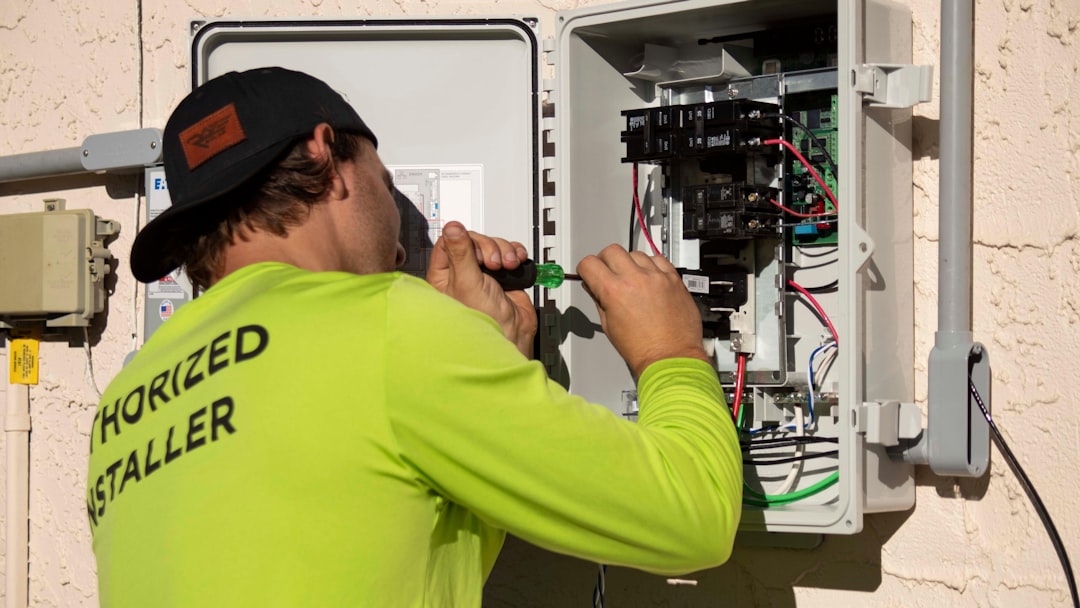
When you sign up for professional care, our certified technicians perform a comprehensive system analysis. This isn't a simple visual inspection; it's a deep-dive mechanical and electrical tune-up. We check all electrical connections to ensure safe operation, perform precise thermostat calibration to maintain accurate home temperatures, and measure overall system performance to confirm everything is running efficiently.
For homeowners in Conroe, Montgomery, and surrounding areas, having a structured plan means you never have to remember to book your appointments. We help schedule your cooling tune-up in the spring and your heating tune-up in the fall. If you want to learn more about the specific steps we take to protect your cooling system, check out our AC Maintenance Service page. Similarly, when the brief but chilly Texas winter arrives, our Annual Furnace Service ensures your heating system is ready to fire up safely and cleanly.
Cooling Season Checklist
Our spring cooling tune-up is designed to prepare your air conditioner for the relentless summer heat. When we visit your home, our technician works through a rigorous checklist:
- Condenser Coils: We clean the outdoor condenser coils to remove dirt, pollen, and grass clippings. Dirty coils insulate the unit, forcing it to work harder and consume more electricity.
- Refrigerant Levels: We measure refrigerant charge. Low refrigerant indicates a leak, which can freeze up your system and destroy the compressor if left unaddressed.
- Condensate Drain Line: High humidity means your AC pulls gallons of water out of the air daily. We flush the condensate drain line to prevent algae clogs that cause water damage in your home.
- Blower Motor: We inspect and lubricate the blower motor, checking the fan belt and measuring amperage draw to ensure it isn't running too hot.
For more detailed guidance on keeping your cooling system in top shape, explore our Essential AC Maintenance Tips.
Heating Season Checklist
Before the first cold snap hits Montgomery County, your furnace or heat pump needs a dedicated checkup. Our heating checklist focuses heavily on safety and combustion efficiency:
- Heat Exchanger: We inspect the heat exchanger for cracks. A cracked heat exchanger can leak deadly carbon monoxide into your home’s indoor air.
- Ignition Assembly: We clean and adjust the pilot light or hot surface igniter to ensure reliable ignition.
- Burner Cleaning: We clean the burners to ensure complete, clean fuel combustion.
- Safety Controls: We test all safety limit switches to ensure the system will automatically shut down if it overheats.
To understand how a structured plan protects your heating system, read our comprehensive Furnace Maintenance Plan Guide.
Annual HVAC Maintenance: Is It Worth It for Homeowners?
To truly answer the question, "Is annual HVAC maintenance worth it?" we have to look at the numbers and the physical reality of how these machines operate.

Your heating and cooling system is the hardest-working appliance in your home. In places like Spring, Cypress, and Magnolia, an air conditioner can run for thousands of hours every single year. Dust, dirt, and mechanical friction are the constant enemies of your system. Over time, a layer of dust as thin as a dime on your indoor evaporator coil can reduce your system's overall energy efficiency by up to 15%. This means your utility bills climb while your home feels less comfortable.
By investing in regular preventative care, you enjoy several key advantages:
- Lower Utility Bills: Clean coils, properly adjusted refrigerant levels, and lubricated motors allow your system to transfer heat efficiently, keeping your energy bills as low as possible.
- Extended System Longevity: A well-maintained compressor and fan motor run cooler and under less physical strain, helping you defer the high cost of system replacement.
- Improved Indoor Air Quality: Regular cleaning prevents mold, mildew, and dust from accumulating inside your ductwork and air handler, keeping your family healthier.
For a deeper look at how routine maintenance translates directly to monthly savings, read about Maintenance Optimal Efficiency. If you are looking to maximize the years you get out of your current setup, check out our guide on Extending Your HVAC System Lifespan.
Here is a direct comparison of what happens when you prioritize maintenance versus when you neglect your system:
| Feature | Maintained HVAC System | Neglected HVAC System |
|---|---|---|
| Average Lifespan | 15 to 20 years | 8 to 10 years |
| Energy Efficiency | Operates at peak manufacturer rating | Drops 5% to 15% every year |
| Breakdown Risk | Extremely low; issues caught early | High; likely to fail during peak summer |
| Indoor Air Quality | Clean, filtered, and humidity-controlled | Dusty, musty, and prone to mold growth |
| Warranty Status | Fully protected with documented service | Voided due to lack of professional care |
Why annual hvac maintenance is it worth it for emergency prevention
There is nothing worse than waking up in the middle of a July night in Conroe with a home that is 85 degrees and climbing. During peak season demand, HVAC companies are flooded with emergency service calls, which can sometimes lead to agonizing wait times for repairs.
Routine maintenance acts as "loss prevention." During a tune-up, our technicians check common wear-and-tear parts like capacitors. A failing capacitor is one of the most common causes of AC breakdowns; catching a weak one in the spring prevents a sudden system shutdown in the summer.
Furthermore, many maintenance plans include priority scheduling. If your system does happen to experience an issue, plan members are moved to the front of the line, ensuring fast emergency service when you need it most.
Learn more about protecting your home from sudden system failures in our guide on How to Prevent HVAC Emergencies with Maintenance, and see how simple checks prevent major headaches by reading about Regular Maintenance to Prevent AC Repairs.
How annual hvac maintenance is it worth it for warranty protection
If your HVAC system was installed within the last 5 to 10 years, it is likely covered by a manufacturer warranty. However, many homeowners do not realize that these warranties come with a major catch: you must prove the system has received annual professional maintenance to keep the warranty valid.
If a major component like your compressor or heat exchanger fails, the manufacturer will often require you to submit service records showing regular professional care before they will ship a replacement part. Without documented proof of service, you could be left paying for a costly parts replacement entirely out of pocket. Maintaining an annual service agreement guarantees you have a clear paper trail to keep your extended coverage fully intact.
DIY vs. Professional HVAC Maintenance Tasks
While professional maintenance is essential for the complex mechanical, electrical, and refrigerant components of your system, there are several simple tasks homeowners can safely perform to keep things running smoothly between our visits.
What You Can Safely Do Yourself:
- Filter Replacement: This is the single most important DIY task. Change your air filters every 30 to 90 days depending on your household size, pets, and allergy needs. A clogged filter restricts airflow, which strains the blower motor and can even cause your evaporator coils to freeze.
- Outdoor Unit Clearance: Keep plants, shrubs, weeds, and debris cleared back at least two feet from your outdoor condenser unit. Your system needs room to breathe so it can release heat efficiently.
- Keep Return Vents Clear: Ensure that furniture, drapes, or toys are not blocking any supply or return vents inside your home.
Why You Need a Professional:
Working with high-voltage electricity, natural gas lines, and chemical refrigerants carries serious safety risks. Handling refrigerant requires specialized EPA certification, and attempting to clean delicate internal components without proper tools can easily damage your system.
For a complete breakdown of what you can tackle yourself and what should be left to our team, check out our HVAC Maintenance Tips for Homeowners.
Frequently Asked Questions About HVAC Maintenance
How often should HVAC systems receive professional maintenance?
For standard split systems (air conditioner and furnace), we highly recommend bi-annual service — once in the spring for your AC and once in the fall for your heating system.
If you use a heat pump system, which provides both heating and cooling, it operates year-round. Because of this constant usage, heat pumps should also be serviced twice a year to ensure they are ready for the seasonal transition.
What common problems can be prevented through routine maintenance?
Routine preventative care stops many of the most frequent HVAC failures before they start:
- Frozen Evaporator Coils: Caused by restricted airflow (dirty filters) or low refrigerant levels.
- Clogged Condensate Drains: Algae and dirt buildup can block drain lines, causing water to back up and overflow into your ceilings or floors.
- Electrical Failures: Loose wire connections or failing capacitors can burn out expensive motors.
- Carbon Monoxide Leaks: Cracked heat exchangers in older gas furnaces can leak dangerous gases into your home.
Do maintenance plans vary by region or system type?
Yes, maintenance must be tailored to your local environment and specific equipment. In Southeast Texas, our systems run incredibly hard to combat extreme heat and coastal humidity. This means we focus heavily on coil cleanliness, condensate drainage, and humidity control.
Additionally, different types of systems require specialized care. A ductless mini-split has different filtration and drain requirements than a traditional central system, and commercial refrigeration systems require completely different technical protocols to protect inventory and maintain temperature safety.
Conclusion
When you look at the facts, annual hvac maintenance is it worth it for anyone who wants to protect their home, lower their monthly utility bills, and avoid the stress of sudden system breakdowns. In Conroe, Montgomery, Willis, and the surrounding areas, our weather demands a lot from our heating and cooling systems. Investing in preventive care is the smartest way to keep your home comfortable year-round.
At Carl's Cooling LLC, we treat your home like our own. Our experienced team is dedicated to providing honest, high-quality service that extends the life of your equipment and keeps your indoor air clean and healthy.
Ready to protect your investment and enjoy ultimate peace of mind? Explore our Professional HVAC Maintenance Solutions or sign up today for the Carl's Cooling LLC Maintenance Plan to ensure your comfort is guaranteed, no matter what the Texas weather throws your way.