
Why Extreme Humidity in Conroe, TX Is Your Cooling System's Biggest Enemy
How extreme humidity stresses your cooling system is something every homeowner in Conroe and Montgomery County deals with — especially from spring through fall, when the air feels more like a warm wet towel than a breeze.
Here's the short answer:
- Your AC has two jobs in humid weather — lower the air temperature AND remove moisture. Both drain energy and wear out parts faster.
- High humidity forces longer run cycles, putting extra strain on the compressor, blower motor, and evaporator coils.
- Your home feels warmer than the thermostat reads because humidity slows sweat evaporation on your skin, making 72°F feel more like 80°F.
- Moisture buildup inside your system can freeze coils, clog drain lines, and create conditions for mold growth.
- Energy bills climb as the system works harder and longer without ever fully catching up.
Most people blame their AC when the house won't cool down. But in a humid climate like Montgomery County, the real culprit is often the moisture load — not the temperature. Understanding this distinction is the first step to protecting your system and staying comfortable all summer long.
The Science of How Extreme Humidity Stresses Your Cooling System
To understand why your air conditioner struggles in places like The Woodlands or Magnolia, we have to look at the two types of heat it encounters: sensible heat and latent heat.
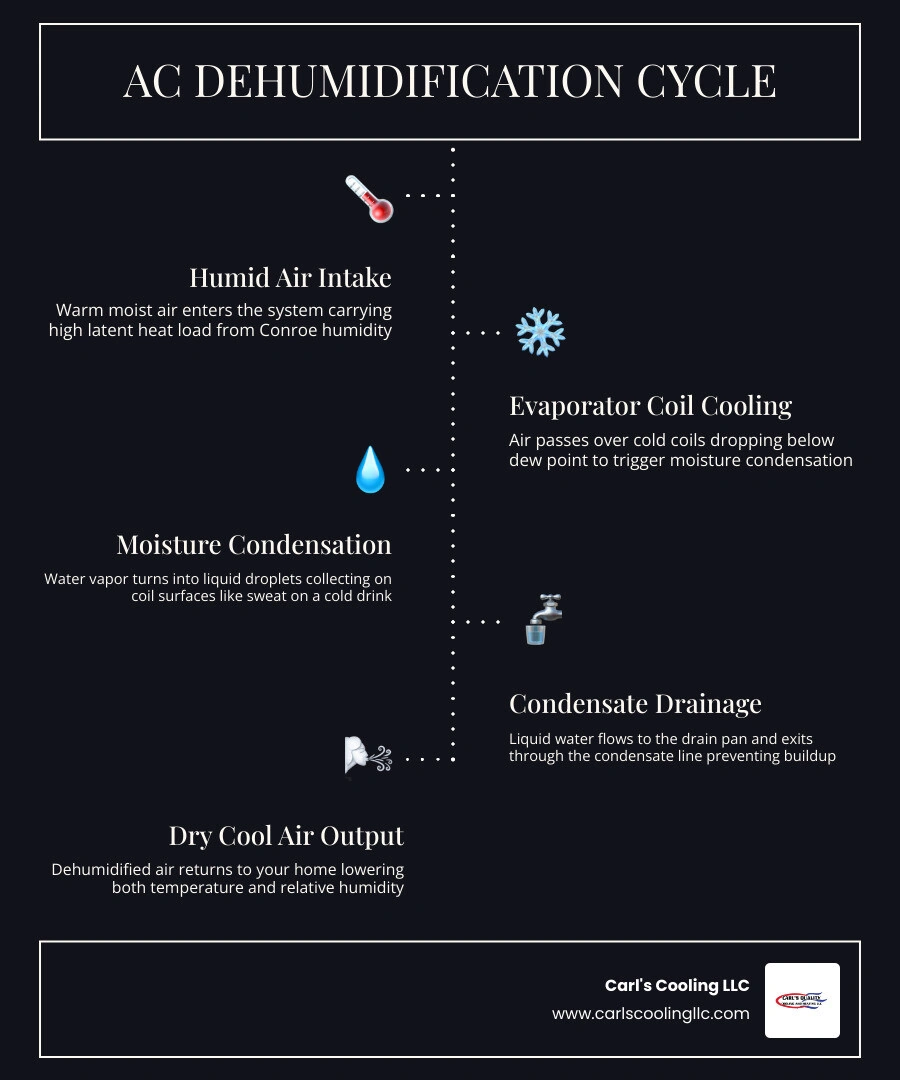
Sensible heat is what you see on a thermometer—it’s the actual temperature of the air. Latent heat, however, is the energy stored in water vapor. When the humidity is extreme, the latent heat load in your home skyrockets. Your evaporator coils are responsible for removing both. As warm, moist air passes over the cold coils, the moisture condenses into liquid water (like the "sweat" on a cold soda can).
This process takes a massive amount of energy. In fact, on an extremely humid day in Houston, your AC might spend half of its energy just turning water vapor into liquid before it even begins to lower the room temperature. This is a primary reason why you should look for ways to Improve AC Efficiency in Summer Heat. When the air is "thick," the heat transfer process becomes much less efficient, forcing the system to run longer to achieve the same comfort levels.

How Extreme Humidity Stresses Your Cooling System Components
When we talk about how extreme humidity stresses your cooling system, we are really talking about mechanical fatigue. Because the unit has to remove so much water, it stays in its "on" cycle for much longer periods.
- Compressor Strain: The compressor is the heart of your AC. High humidity forces it to work at high pressure for extended durations. Over time, this leads to overheating and premature failure.
- Blower Motor Fatigue: Humid air is actually denser and "heavier" for your blower motor to move through your ductwork. This increased resistance puts a constant load on the motor bearings and electrical windings.
- Mechanical Wear: Longer cycles mean every moving part—from fans to relays—experiences more "mileage" in a single Houston summer than a unit in a dry climate might see in three years.
Recognizing the Early Warning Signs of AC Problems early can save you from a total system breakdown during a July heatwave.
The Impact of High Dew Points on Heat Transfer
In Montgomery County, we often pay more attention to the dew point than the relative humidity. The dew point is a direct measure of how much moisture is actually in the air. When the dew point rises above 65 or 70 degrees, the air becomes "saturated."
When indoor air is this saturated, the evaporator coils can become overwhelmed. If the moisture doesn't drain away fast enough, it can actually insulate the coils, preventing them from absorbing heat from the air. This disrupts the thermal balance of the refrigerant. If your refrigerant levels are even slightly off, this added humidity stress can cause the coils to drop below freezing, leading to a block of ice that completely stops the cooling process. This increased workload is directly reflected in your monthly energy consumption.
Warning Signs Your HVAC is Struggling with Moisture
How do you know if the humidity is winning the battle against your AC? Usually, the house starts to feel "off" before the system actually stops blowing cold air.
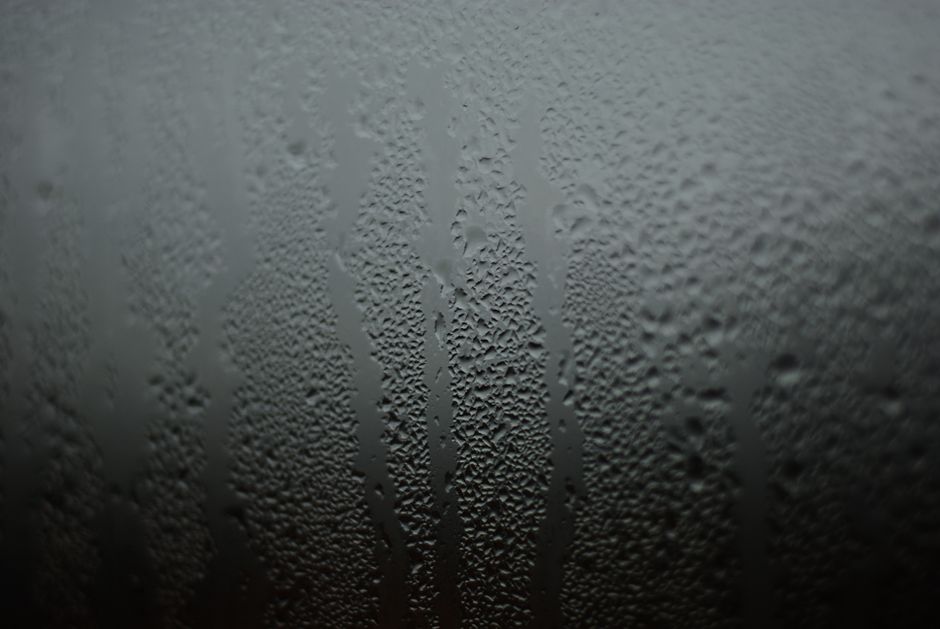
- Foggy Windows: If you see condensation on the inside of your windows, your indoor humidity is likely well above 60%.
- Clammy Air: If your skin feels sticky even though the air coming out of the vents is cold, your system isn't dehumidifying effectively.
- Musty Odors: Excess moisture in the dark, cool environment of your ductwork is an invitation for mold and mildew. If you smell a "dirty sock" odor, it’s a sign of moisture trouble.
If you notice these symptoms, it’s a clear indication that your Signs Your HVAC Needs Inspection. Furthermore, if you see water pooling around the indoor unit, you need to investigate Why Is My AC Leaking Water immediately to prevent floor damage and mold.
Identifying Humidity-Related Performance Drops
A common sign of humidity stress is frequent cycling or, conversely, a system that never turns off. If your thermostat says it is 72°F but you are still sweating, the latent heat is the problem. Your AC is hitting the temperature target (sensible heat) but failing to remove the moisture (latent heat).
This often leads to "frozen coils." When the AC works too hard to pull moisture out of the air, the condensate can freeze on the coil surface. Once this happens, the airflow is blocked, and you’ll find your AC Not Cooling at all, despite the outdoor unit humming away.
Secondary Damage to Home Materials
How extreme humidity stresses your cooling system isn't just an HVAC problem—it’s a whole-home problem. When your cooling system can't keep up with the moisture:
- Wood warping: Hardwood floors can "cup" or buckle, and door frames may swell until the doors won't shut.
- Paint and Wallpaper: High humidity causes the adhesive in wallpaper to fail and can make interior paint peel or blister.
- Drywall damage: Drywall can absorb moisture, leading to sagging ceilings or soft spots that eventually grow mold.
Health and Comfort Risks of High Indoor Humidity
We often say, "It’s not the heat, it’s the humidity," and science backs that up. The heat index is a measure of how hot it feels when relative humidity is factored in. In Conroe, a 95°F day with 70% humidity feels like 115°F.
High humidity interferes with your body's natural cooling mechanism: sweating. Normally, sweat evaporates off your skin, taking heat with it. When the air is already saturated with water, your sweat can't evaporate. This causes your core temperature to rise, putting immense cardiovascular strain on your heart as it pumps harder to try and cool you down. Research shows that on very humid days, your heart may work two to four times harder than usual.
The Connection Between Humidity and Heat Illness
When your AC fails to manage indoor humidity, the risk of heat exhaustion and heat stroke increases, even indoors. Vulnerable populations—like the elderly or those with pre-existing heart conditions—are at higher risk for heart arrhythmia when the body can't maintain proper thermoregulation. Dehydration also sets in faster because your body continues to produce sweat that never evaporates, leading to a rapid loss of fluids and electrolytes.
Mental Health and Seasonal Affective Disorder
Most people associate Seasonal Affective Disorder (SAD) with winter, but "summer-pattern SAD" is a real phenomenon in humid climates. The constant physical discomfort of high humidity leads to increased irritability, higher stress levels, and poor sleep quality. If you find yourself feeling more anxious or depressed during the humid months in Montgomery, the air quality in your home might be a contributing factor.
Professional Strategies to Reduce Humidity-Related Wear
The good news is that you don't have to just "suffer through it." There are professional ways to ease the burden on your AC.
One of the most effective solutions is a whole-home dehumidifier. This device is installed directly into your HVAC system. It pulls moisture out of the air before it reaches your AC coils, allowing the AC to focus solely on cooling the air. This significantly reduces the stress on your compressor.
Additionally, air sealing your home (fixing leaks around windows and doors) prevents humid outdoor air from "leaking" into your living space, which keeps the workload manageable. Following the Ultimate HVAC Maintenance Guide Montgomery County is essential for keeping these systems in peak condition.
| Feature | Standard AC System | Variable-Speed (Inverter) System |
|---|---|---|
| Operation | On or Off (100% power) | Adjusts speed to match demand |
| Humidity Control | Moderate (only removes moisture when cooling) | Excellent (runs longer at lower speeds to dry air) |
| Efficiency | Lower (uses more energy starting up) | Higher (SEER2 ratings are much better) |
| System Stress | High (constant starting/stopping) | Low (smooth, continuous operation) |
How Extreme Humidity Stresses Your Cooling System Efficiency
Efficiency is measured by the SEER2 rating. In humid climates like Humble and Spring, a higher SEER2 rating is vital. Modern systems with inverter compressors are designed specifically for these conditions. Instead of blasting on and off, they run at lower speeds for longer periods. This is actually better for dehumidification because the air spends more time in contact with the cold coils, pulling more water out of the air for every penny spent on electricity. To help manage the upkeep of these high-efficiency systems, check out the AC Maintenance Deals Guide Humble TX.
Long-Term Protection and System Longevity
To ensure your system survives the "moisture marathon" of a Texas summer, two maintenance tasks are non-negotiable:
- Coil Cleaning: Dust and grime on your coils act as an insulator and trap moisture, leading to mold. Clean coils transfer heat and shed water much more effectively.
- Drain Line Flushing: Your AC can produce gallons of water a day. If the drain line clogs with algae or "slime," that water backs up into your home or causes the system to shut down.
If your system is more than 10-12 years old and struggling, it may be time to consult a Professional AC Replacement Guide to find a unit better suited for modern humidity standards.
Frequently Asked Questions about Humidity Stress
What is the ideal indoor humidity level for my home?
For the best balance of comfort, health, and energy efficiency, you should aim for a relative humidity between 30% and 50%. Anything above 50% starts to feel "sticky" and encourages mold growth and dust mites. Anything below 30% can cause dry skin and respiratory irritation.
Should I leave my AC fan on "ON" or "AUTO" in humid weather?
Always use the "AUTO" setting. When the fan is set to "ON," it continues to blow air even after the cooling cycle ends. This blows the moisture that just condensed on your coils right back into your house before it has a chance to drain away. The "AUTO" setting allows the moisture to drip off the coils and out the drain line properly.
Why does my home feel warm even when the AC is running?
This is caused by latent heat. Your thermostat only measures air temperature. If your AC is oversized or struggling, it might lower the temperature quickly but fail to remove the moisture. This leaves you with "cold, clammy air" that feels much warmer than the number on the wall suggests.
Conclusion
Managing how extreme humidity stresses your cooling system is the key to a long-lasting HVAC unit and a comfortable home. In areas like Conroe, Montgomery, and The Woodlands, the moisture in the air is a constant threat to your equipment's efficiency and your family's health. By prioritizing preventive care, ensuring proper drainage, and considering advanced indoor air quality solutions like whole-home dehumidifiers, you can take the "stress" out of your summer.
At Carl's Cooling LLC, we are the Montgomery County HVAC experts dedicated to keeping your home dry and cool. Whether you need a routine tune-up or a specialized moisture assessment, we are here to help.
Schedule your professional humidity assessment in Houston TX today and let our family take care of yours.