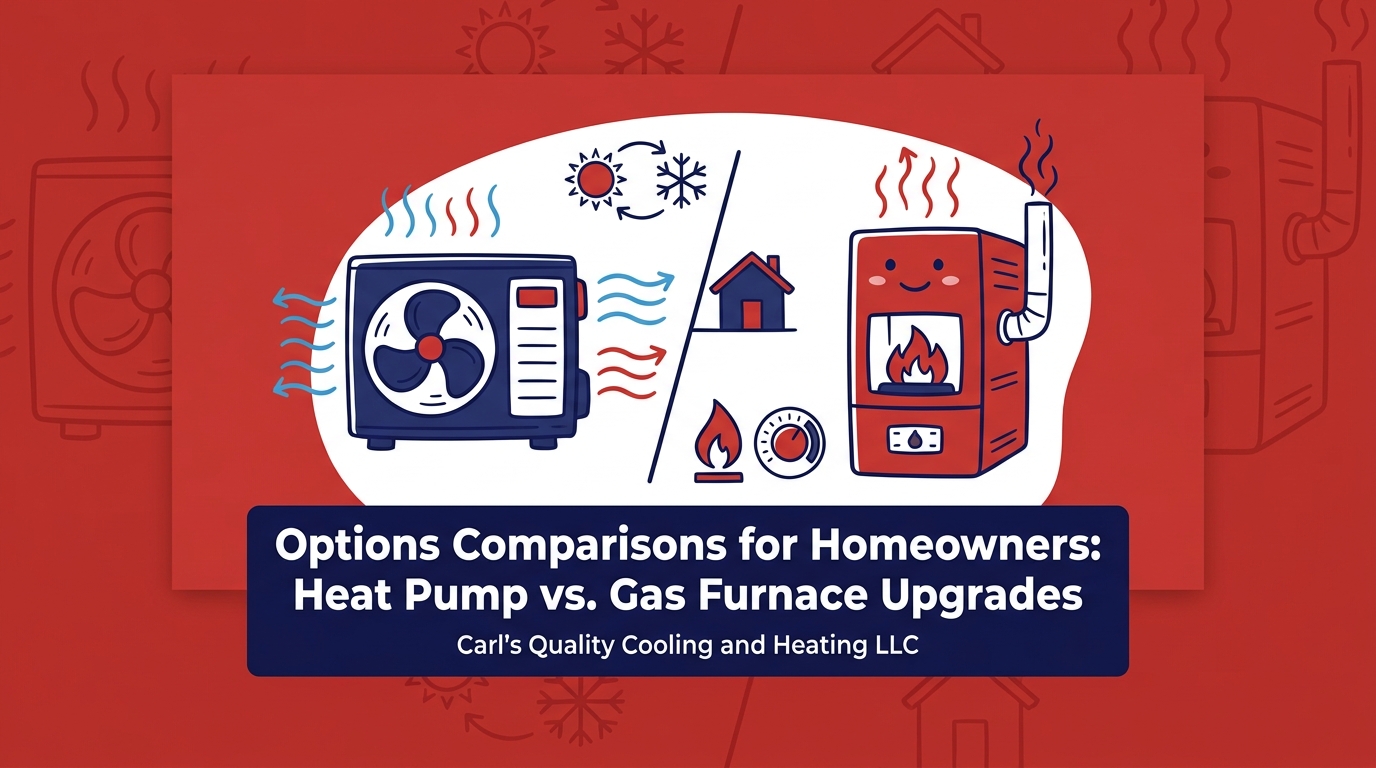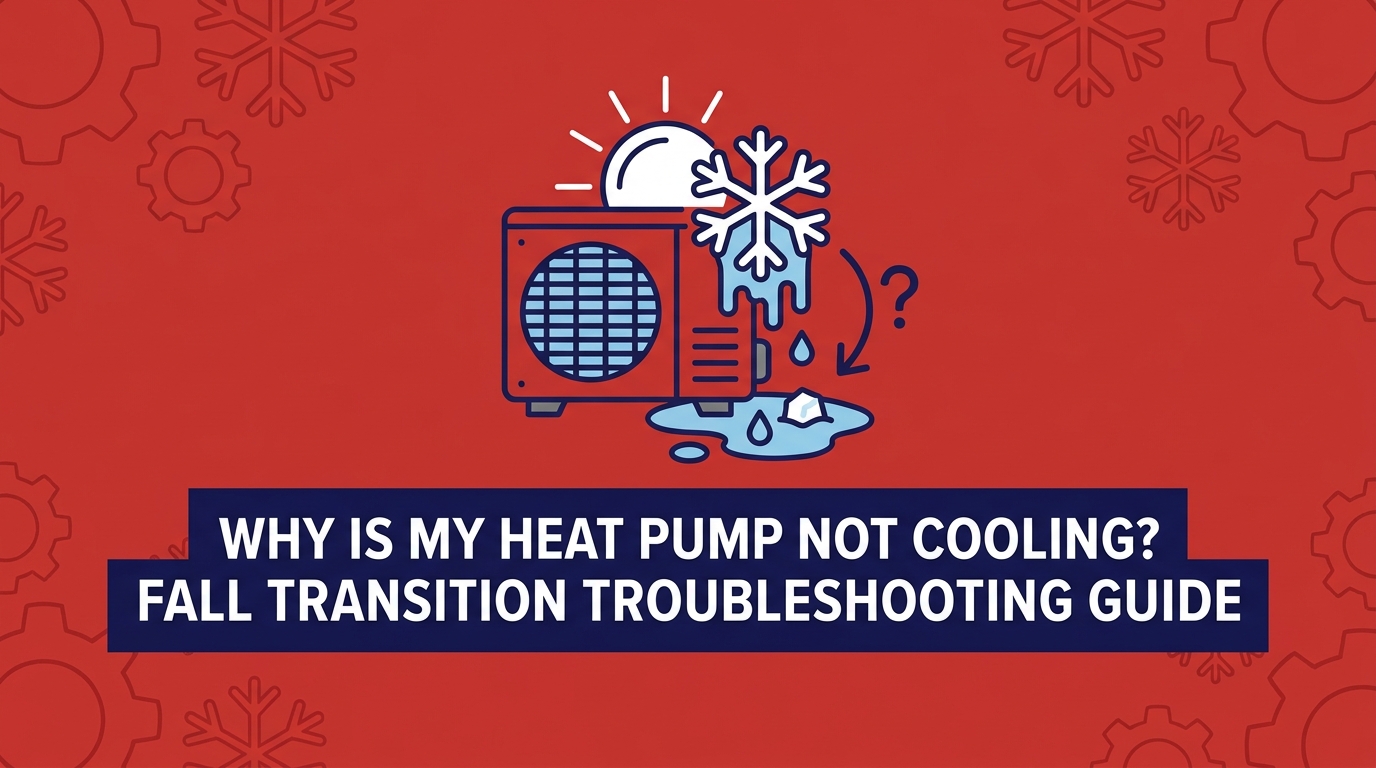


Are You Prepared for the Seasonal HVAC Transition?
Are you crossing your fingers that your heating system will turn on flawlessly, even though it has not run in months? When you sit down to draft your seasonal home maintenance checklist this October, the most critical item is determining whether your HVAC system is genuinely prepared to switch gears. Transitioning a residential air conditioner or heat pump from heavy summer cooling to reliable fall and winter heating requires far more than simply swapping out an air filter. Your system has been working overtime for months, and expecting it to seamlessly pivot to heating mode without a professional assessment is a gamble.
At Carl's Quality Cooling and Heating LLC, our team sees many homeowners face a distinct decision point right now: proactively scheduling a pre-winter inspection or risking an emergency breakdown during the first major cold front. Waiting for the temperature to drop before testing your heater often leads to sudden failures, compromised indoor air quality, and uncomfortable nights. By prioritizing preventative care, you protect the mechanical integrity of your equipment and ensure your household stays safe and warm when the weather shifts.
To ensure your system is ready for the transition, scheduling professional heating services is the most effective way to prevent unexpected breakdowns and secure peace of mind for the season ahead.
What Hidden Toll Does Summer Cooling Take on Your Heat Pump?
Continuous operation during peak summer months puts immense strain on every internal component of your HVAC system. Based on our years of experience servicing systems in intense Conroe summer heat and high humidity, we know this specific climate puts extreme stress on moving parts and electrical connections long before the heating season even begins. A heat pump does not get a break; it simply reverses its operation to pull ambient heat from the outside air into your home. If the system is already fatigued from battling summer humidity, asking it to heat your house can push worn components past their breaking point.
Identifying Lingering Summer Damage
Mechanical fatigue often goes entirely unnoticed until the system is forced to switch operating modes. A unit that seemed to cool just fine in September might harbor hidden damage that prevents it from heating in November. Here is what our technicians look for when assessing end-of-summer wear and tear:
• Strained electrical components: Capacitors and contactors endure thousands of cycles during the cooling season. Heat and electrical load can cause contactors to pit and capacitors to lose their charge capacity, leading to sudden motor failures.
• Restricted airflow from dirty coils: Summer condensation turns the evaporator coil into a magnet for dust and debris. A dirty coil severely restricts airflow, which reduces heating efficiency and forces the blower motor to consume more energy.
• Reversing valve friction: The reversing valve is the mechanical heart of a heat pump, responsible for switching the flow of refrigerant. If the system has been running constantly, debris or wear can cause this valve to stick, leaving you stranded in cooling mode.
If you noticed your heat pump struggling to cool on 100-degree days, those lingering cooling issues must be resolved before the system switches modes. Professional assessment is always safer and more accurate than assuming the system is fine just because air is still blowing out of the vents.
Why Is a Mid-Fall Heating Startup Inspection Essential?
The critical window for a mid-fall heating startup happens before the first major freeze arrives. This period allows technicians to perform the necessary mechanical and safety protocols required when starting a furnace or switching a heat pump to heating mode for the first time in months. There are distinct mechanical differences between a heat pump failing to cool and a furnace failing to heat, and both require highly specialized diagnostic procedures.
A proper startup inspection ensures that the system can handle sudden cold snaps without experiencing catastrophic failure. Because heating systems deal with high voltage, pressurized refrigerants, and combustible gases, troubleshooting internal mechanical or electrical issues is never a do-it-yourself project. Licensed professionals follow strict protocols to safely transition your equipment.
When our team performs a professional mid-fall startup, the essential steps include:
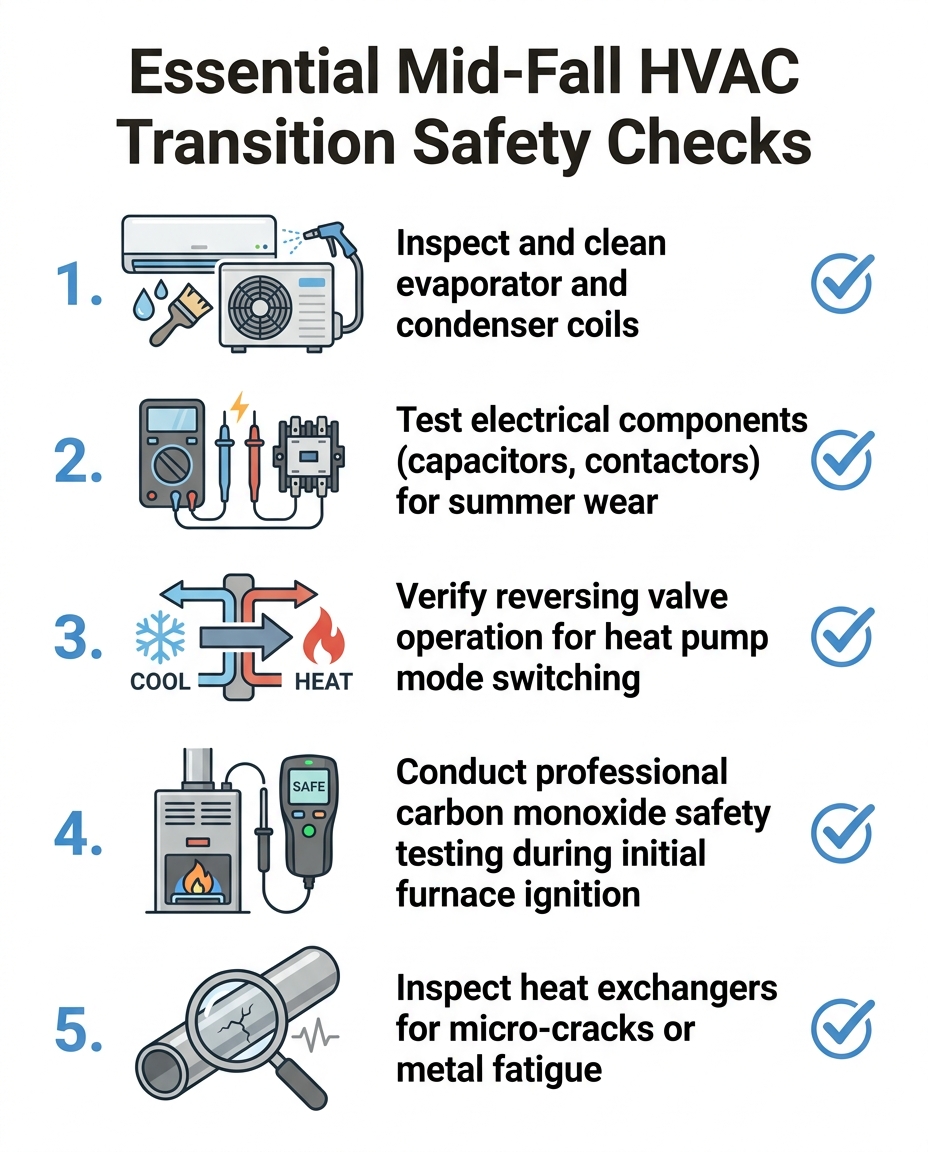
1. Verifying electrical integrity: Technicians measure the amperage and voltage of the blower motor, compressor, and heat strips to ensure they are drawing the correct amount of power without overheating.
2. Testing the reversing valve: For heat pumps, the technician will manually trigger the reversing valve to ensure it shifts the refrigerant flow smoothly and completely from cooling to heating mode.
3. Checking refrigerant charge: A system that is low on refrigerant will struggle to heat your home efficiently, leading to longer run times and increased wear on the compressor.
4. Inspecting heat exchangers and burners: For gas furnaces, the combustion chamber, burners, and heat exchangers must be thoroughly cleaned and inspected for safe ignition and proper venting.
If you skipped maintenance during the summer, securing air conditioning repair services concurrently with your heating inspection can address any lingering mechanical deficits before they compromise your winter comfort.

How Do Professionals Ensure Carbon Monoxide Safety During Furnace Ignition?
One of the most severe risks associated with turning on a gas furnace for the first time in months is the potential for carbon monoxide leaks. Carbon monoxide poisoning incidents historically spike in late fall due to uninspected heating systems firing up after a long dormant period. Because this gas is colorless, odorless, and tasteless, relying on human senses to detect a leak is impossible. This is why professionals prioritize measuring carbon monoxide safety levels during initial furnace ignition.
When you hire our team, which is dedicated to strict safety protocols and honest, no-nonsense diagnostics, you ensure that potentially life-saving carbon monoxide checks are performed with precision. Our professionals use specialized combustion analyzers to measure the exact parts-per-million (PPM) of gases in the exhaust and ambient air, ensuring your system is venting properly.
The Dangers of a Cracked Heat Exchanger
The heat exchanger is the metal component that separates the toxic combustion gases from the clean air being blown into your home. Over years of use, the constant expansion and contraction of this metal as it heats up and cools down leads to metal fatigue. This fatigue can eventually cause invisible micro-cracks to form.
When the furnace blower turns on, it changes the air pressure around the heat exchanger. If there is a crack, that pressure difference can force carbon monoxide out of the combustion chamber and directly into your ductwork. Symptoms of a potential carbon monoxide presence include unexplained headaches, dizziness, nausea, and fatigue when the heater is running. Proactive, professional safety testing is the only way to identify a compromised heat exchanger before it becomes a hazard. Testing and repairing heat exchangers is strictly professional work and must never be attempted as a DIY project.
What Are the Long-Term Benefits of a Routine HVAC Maintenance Plan?
Shifting your focus from one-time seasonal checks to ongoing, preventative system care is the best way to protect your investment. The long-term reliability of proactively maintained systems far outpaces the frustration and high costs associated with reactive emergency repairs. In our experience, when Conroe homeowners enroll in a routine HVAC maintenance plan, they secure the ultimate peace-of-mind solution for unpredictable weather transitions.
Key benefits of structured maintenance include:
• Extended equipment lifespan: Clean, lubricated, and properly calibrated machinery experiences less friction and wear, allowing the system to operate for more years before requiring replacement.
• Maintained energy efficiency: Systems that are free of dirt and operating with the correct refrigerant charge consume less electricity and gas to reach your desired indoor temperature.
• Priority service scheduling: Maintenance agreement members typically receive front-of-the-line priority during extreme weather events when service boards are completely booked.
• Comprehensive safety checks: Regular visits ensure that electrical connections remain tight and gas components remain sealed, drastically reducing fire and carbon monoxide risks.
• Reactive (Run-to-Fail) — System Impact: High strain, dirty components, unchecked wear and tear. — Long-Term Outcome: Frequent breakdowns, shortened lifespan, higher energy consumption.
• Proactive (Routine Plan) — System Impact: Clean coils, calibrated electricals, verified safety limits. — Long-Term Outcome: Reliable performance, maximized lifespan, consistent energy efficiency.
Frequently Asked Questions About Fall Home Maintenance and HVAC Prep
How do I prepare my HVAC for winter?
At Carl's Quality Cooling and Heating LLC, we always emphasize that preparing your HVAC for winter requires scheduling a professional tune-up to transition the system safely from cooling to heating mode. A technician will clean the internal components, test the electrical connections, and verify that all safety mechanisms are fully operational. While homeowners should regularly replace their return air filters and keep the outdoor unit clear of leaves and debris, all internal mechanical preparation must be handled by a licensed professional to ensure safety and efficiency.
What is included in a fall HVAC inspection?
A comprehensive fall HVAC inspection includes testing the heating cycle, calibrating the thermostat, cleaning the burners, and inspecting the heat exchanger for cracks. Technicians will also measure the electrical draw of the blower motor, verify the refrigerant charge if you have a heat pump, and check the flue pipe for proper ventilation. The goal is to ensure every component operates safely and efficiently before continuous winter usage is required.
How do I check my furnace for carbon monoxide?
You cannot effectively check your furnace for carbon monoxide yourself; this requires a licensed professional using a calibrated combustion analyzer. Because carbon monoxide is an invisible and odorless gas, technicians must measure the exhaust gases directly at the heat exchanger and vent pipe during ignition. Homeowners should install and regularly test plug-in or battery-operated carbon monoxide detectors on every level of their home as a secondary line of defense.
Why is my heater smelling like burning when I turn it on?
A burning smell during the first heater cycle of the season is usually the result of dust burning off the heat exchanger or heating elements after sitting idle all summer. This odor is incredibly common and typically dissipates within the first 15 to 30 minutes of operation. However, if the smell persists, smells like melting plastic, or is accompanied by smoke, turn the system off immediately and contact a professional to inspect for electrical issues or severe blockages.
When should I schedule a furnace inspection?
You should schedule a furnace inspection in mid-to-late fall, ideally before the outdoor temperatures drop enough to require emergency, continuous heating. October is widely considered the optimal window, as it allows technicians to identify and repair lingering summer damage before the first major cold snap hits. Booking early also ensures you avoid the severe scheduling delays that occur when the first freeze causes widespread system failures across the region.
What should be on a comprehensive fall home maintenance checklist?
A comprehensive fall home maintenance checklist should prioritize HVAC transition care, including a professional heating tune-up and carbon monoxide safety test. It should also include inspecting and cleaning gutters to prevent water damage, checking weatherstripping around doors and windows to seal out drafts, and testing all smoke and carbon monoxide detectors. Focusing on these core preventative tasks protects your home's infrastructure and ensures your family remains safe and comfortable through the winter.
Take the Next Step for a Safe and Reliable Heating Season
A safe transition into the heating season requires professional oversight, thorough testing, and a proactive approach to system health. Relying on an HVAC unit that has endured heavy summer usage without a proper inspection leaves your home vulnerable to sudden breakdowns and potential safety hazards. An expert inspection provides absolute peace of mind, ensuring that carbon monoxide risks are mitigated and that your system will perform reliably when the temperature drops.
Do not wait for the first freezing night to discover your heater is compromised. To protect your equipment and ensure your household stays comfortable, schedule heat pump service today. A clear, neutral, expert-level evaluation of your system is the most effective way to guarantee long-term reliability and household safety throughout the winter months.