


Why Heat Waves Put Your AC System at Serious Risk
Knowing how to help your AC during heat waves can be the difference between staying cool all summer and dealing with a costly breakdown on the hottest day of the year. Here are the most important steps to protect your system right now:
Quick Answer: How to Help Your AC During a Heat Wave
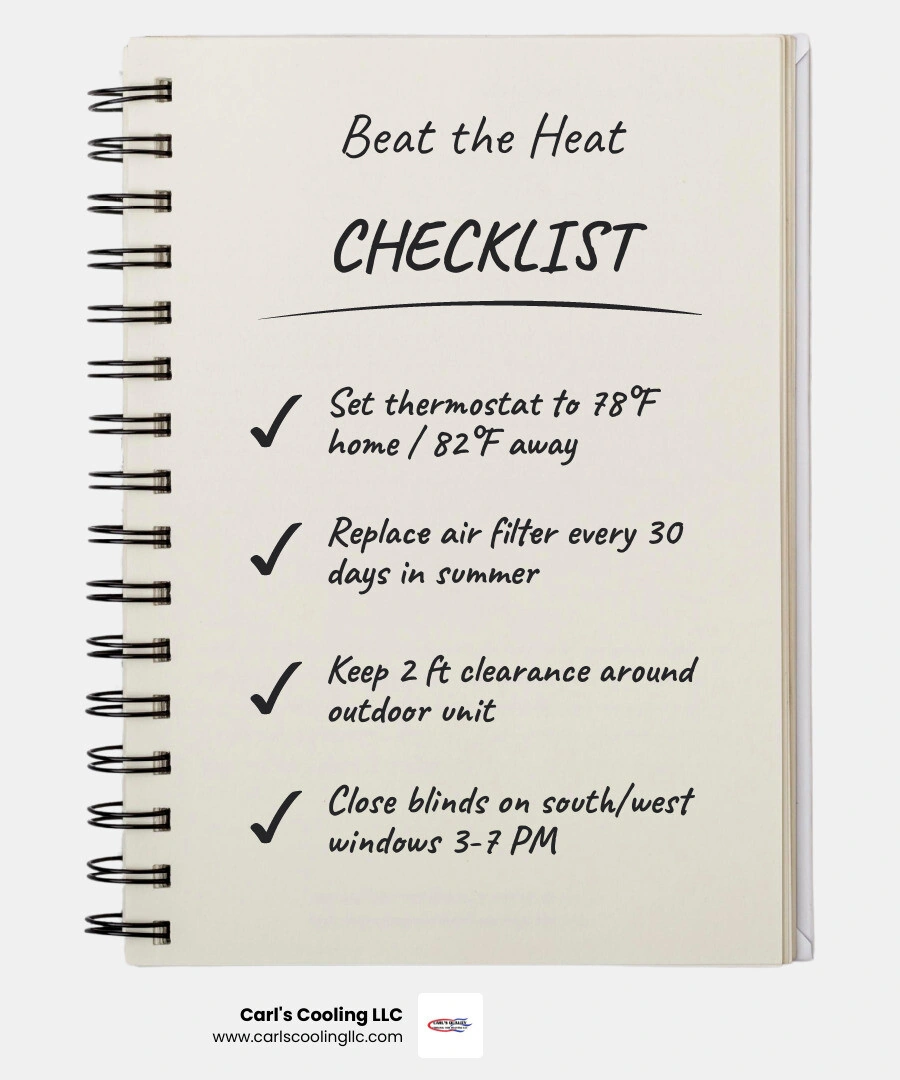
- Set your thermostat to 78°F when home and 82°F when away
- Replace or check your air filter every 30 days during peak summer months
- Close blinds and curtains on south- and west-facing windows during afternoon hours
- Clear at least 2 feet of space around your outdoor condenser unit
- Run ceiling fans counterclockwise to feel up to 4°F cooler without lowering the thermostat
- Avoid using ovens, dryers, and dishwashers during peak heat hours (roughly 3–7 PM)
- Pre-cool your home in the morning before outdoor temperatures peak
- Never turn your AC completely off when leaving — raise the setpoint instead
Heat waves in Texas are getting longer, more intense, and more frequent. According to EPA data spanning six decades, this trend is not slowing down. For homeowners in Conroe, Montgomery, and surrounding Montgomery County, that means your AC system is being pushed harder than it was ever designed to handle.
Most residential AC systems are built to keep your home about 20 degrees cooler than the outside air. When temperatures climb past 100°F, the system hits its physical limits — and that is before accounting for dirty filters, leaky ducts, or a neglected condenser. The result is a unit that runs nonstop, struggles to keep up, and wears out far faster than it should.
The good news is that most heat wave AC failures are preventable. A handful of simple habits and basic maintenance tasks can take enormous strain off your system and keep it running through even the worst summer stretches.
Understanding the Impact of Extreme Heat on Your HVAC System
When temperatures in places like Conroe, Spring, and The Woodlands soar into the triple digits, your air conditioner is not just working; it is running a marathon in a wool sweater. To effectively support your system, it helps to understand exactly what happens to your HVAC unit under the pressure of extreme heat.
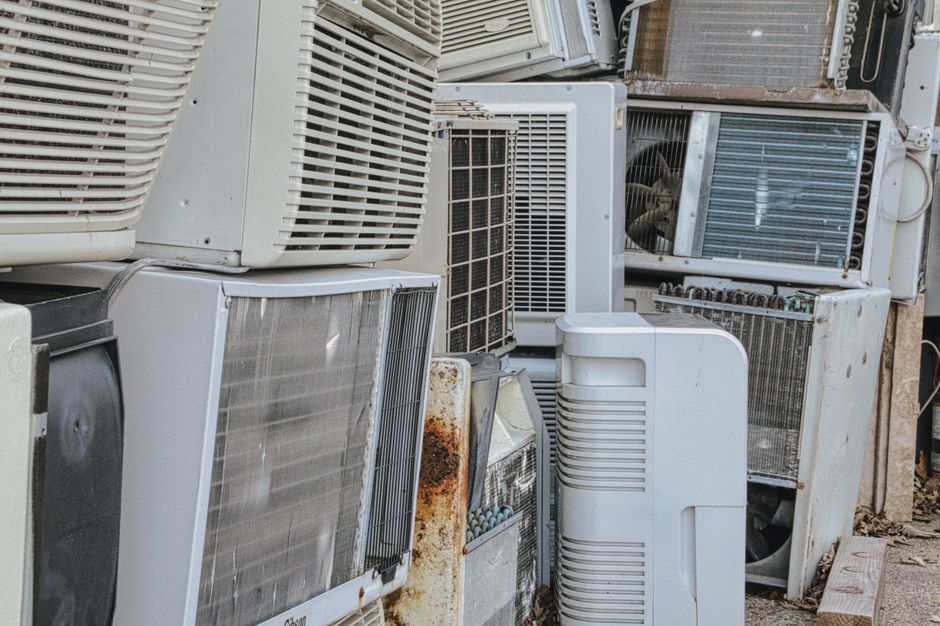
During a heat wave, the outdoor condenser unit must release the heat it absorbed from inside your home into the already scorching outdoor air. The hotter it is outside, the harder it is for this heat transfer to occur. If your outdoor unit is caked in dirt, pollen, or surrounded by overgrown weeds, this process becomes nearly impossible.
When heat cannot escape the condenser coils, system pressures rise, fan motors overheat, and the compressor—the heart of your AC—faces extreme mechanical strain. This strain can lead to sudden electrical failures, blown capacitors, or complete compressor burnout. To keep your unit running smoothly when the sun gets serious, you can read our detailed guide on how to Improve AC Efficiency in Summer Heat.
The Physics of the 20-Degree Rule
Many homeowners assume that if they set their thermostat to 68°F on a 102°F afternoon, the AC will simply pump out colder air to reach that target. In reality, air conditioners cool at a constant rate regardless of the thermostat setting.
Most residential cooling systems are designed around a maximum "temperature differential" of roughly 20 to 22 degrees. This means that if the outdoor temperature is 100°F, your system is performing perfectly if it keeps your indoor spaces at 78°F to 80°F. Pushing your system to cool your home past this 20-degree limit during peak heat hours forces the compressor to run continuously. This nonstop operation spikes your energy bills and dramatically increases the risk of a system breakdown.
Humidity and the 20-Gallon Drain Challenge
In Southeast Texas, high temperatures rarely travel alone—they bring intense, heavy humidity. Your air conditioner is actually a giant dehumidifier; as warm indoor air passes over the cold evaporator coils, moisture condenses on the coils and drains away.
During a humid Texas heat wave, a central AC system can pull anywhere from 5 to 20 gallons of water out of your indoor air every single day. If your condensate drain line is partially clogged with algae or dust, this massive volume of water can back up. This can trigger your system's safety overflow switch, instantly shutting down your cooling unit in the middle of a triple-digit afternoon, or worse, causing water damage to your home.
How to Help Your AC During Heat Waves: Smart Thermostat & Usage Habits
Your daily habits and thermostat settings play a massive role in how much stress your AC experiences. By adjusting how and when you cool your home, you can keep your indoor spaces comfortable while protecting your equipment. Making these adjustments can also help you manage your summer utility costs. To learn more, check out our tips on How to Lower AC Bills During Summer.
Pre-Cooling Your Home Before Peak Hours
One of the most effective strategies to protect your air conditioner is "pre-cooling" or "supercooling." This technique leverages your home’s thermal mass—the walls, framing, furniture, and floors—to act as a thermal battery.
To pre-cool your home, set your thermostat to a lower temperature (around 70°F to 72°F) during the early morning hours (typically 4:00 AM to 9:00 AM) when outdoor temperatures are at their lowest. During this time, your AC can run highly efficiently because it does not have to fight extreme outdoor heat. As the outdoor temperature begins to climb, raise your thermostat to 78°F or higher. Your home's pre-cooled structure will help maintain a comfortable indoor environment for hours, allowing your AC to coast through the hottest part of the afternoon without running continuously.
Thermostat Settings: How to Help Your AC During Heat Waves
When it comes to thermostat management in extreme heat, consistency is key. The Department of Energy recommends setting your thermostat to 78°F when you are home. Each degree you raise your thermostat setting reduces your cooling energy use by roughly 3%.
If 78°F feels too warm initially, try using a "stair-step" approach. Raise the temperature by one degree each day over a week to allow your body to adjust. When you leave for work or head out for the day, raise the thermostat to 82°F or 85°F rather than turning the system completely off. If you turn the system off entirely, your walls, floors, and furniture will absorb the afternoon heat. When you return home and turn the AC back on, the system will have to run for hours under extreme stress just to remove that stored heat.
A smart or programmable thermostat can automate these adjustments, ensuring your home is pre-cooled in the morning and safely managed while you are away.
Practical Home Hacks to Reduce the Cooling Load
To how to help your AC during heat waves, you must reduce the overall heat load on your home. The less heat that enters your living spaces, the less work your air conditioner has to do.
Up to 30% of unwanted heat enters your home through your windows via solar heat gain. Installing reflective window films, solar screens, or high-quality thermal curtains can block a significant portion of this heat before it ever warms your indoor air.
Additionally, ceiling fans are a powerful tool to keep you comfortable at higher thermostat settings. While fans do not cool the air itself, they create a wind chill effect on your skin, making a room feel up to 4°F cooler than it actually is. Just remember: fans cool people, not rooms, so turn them off when you leave the space to conserve electricity.
| Heat Reduction Method | Estimated Heat Reduction / Savings | Best Practices for Maximum Impact |
|---|---|---|
| Thermal Curtains / Blinds | Reduces solar heat gain by up to 25–30% | Keep closed on south- and west-facing windows from noon to sunset. |
| Ceiling Fans | Makes room feel up to 4°F cooler | Ensure fan rotates counterclockwise in summer; turn off when leaving. |
| Attic Insulation Upgrade | Can reduce cooling energy use by 15% | Maintain R-38 to R-60 insulation depth; seal bypasses and gaps. |
| LED Lighting Upgrades | Reduces waste heat by up to 90% | Swap out old incandescent bulbs which act as mini-heaters. |
| Weatherstripping & Caulk | Saves up to 10–15% on cooling bills | Seal gaps around doors and windows to stop cool air from escaping. |
Reducing Indoor Heat Load: How to Help Your AC During Heat Waves
Beyond blocking external solar heat, you should minimize the heat generated inside your home. Many everyday appliances double as heaters when they are running:
- Appliance Timing: Avoid running your clothes dryer, dishwasher, or oven during the hottest parts of the day (typically 3:00 PM to 7:00 PM). Instead, shift these activities to the early morning or late evening.
- Outdoor Cooking: Take advantage of the summer weather by grilling outdoors rather than using your kitchen stove or oven.
- LED Lighting: Replace any remaining incandescent light bulbs with LEDs. Incandescent bulbs release up to 90% of their energy as heat, essentially acting as small heaters throughout your home.
Sealing the Envelope to Keep Cool Air Inside
Your home's "thermal envelope" is the barrier between your conditioned indoor air and the outdoor elements. In a typical house, 20% to 30% of conditioned air is lost through duct leaks and poor connections before it ever reaches your living spaces. This air loss forces your system to run longer and work harder.
Leaking ducts can reduce your overall HVAC efficiency by up to 30%. Sealing accessible ductwork with mastic sealant or foil tape, checking weatherstripping around exterior doors, and sealing gaps around windows with high-quality caulk can prevent cool air from escaping. Additionally, ensuring your attic is properly insulated (ideally to R-38 or R-60 standards) prevents heat from radiating downward through your ceilings.
Essential Maintenance Tasks to Prevent Summer Breakdowns
A well-maintained air conditioner is far more resilient against extreme summer heat waves. By performing a few simple maintenance tasks, you can prevent common failures and keep your system running efficiently. For a comprehensive checklist, check out our Summer AC Maintenance Tips.
Air Filter and Airflow Management
Your air conditioner needs consistent, unrestricted airflow to function. When an air filter becomes clogged with dust, pet dander, and pollen, it chokes the system’s airflow. This forces the blower motor to work harder, which spikes your energy use and can cause your indoor evaporator coils to freeze.
A dirty air filter can lead to a 15% increase in your system's energy use. During peak summer cooling months in Conroe and Montgomery, check your air filter every 30 days. If you have pets or allergies, you may need to replace standard 1-inch filters monthly. When choosing a filter, opt for a MERV rating between 8 and 11. This range provides a great balance of effective filtration without restricting the airflow your system needs. If you notice your system starting to struggle, read our troubleshooting guide on Why Is Your AC Freezing Up.
Outdoor Condenser Care and Clearance
Your outdoor condenser unit needs room to breathe to release heat effectively. Over the spring and summer, grass clippings, fallen leaves, and weeds can build up around the base of the unit, choking off essential airflow.
Maintain at least 2 feet of clear space around the entire perimeter of your outdoor unit, and trim back any overhanging branches or shrubs. Periodically check the aluminum fins on the sides of the condenser. If they are caked in dirt or pollen, turn off the power to the unit at the disconnect box and gently rinse the coils with a garden hose using a soft spray pattern. Never use a pressure washer, as the intense pressure can easily bend and damage the delicate aluminum fins.
Recognizing Warning Signs of AC Failure in Extreme Heat
When temperatures climb, your air conditioner will often give you warning signs before it breaks down completely. Paying close attention to these indicators can help you address minor issues before they turn into costly, emergency repairs.
Keep an eye out for these common warning signs that your AC is struggling:
- Warm Air from Vents: If the air coming from your supply registers feels lukewarm or room temperature, your compressor may be struggling, or you could have a refrigerant leak.
- Frequent Short Cycling: If your system turns on and off every few minutes without completing a full cooling cycle, it is short cycling. This places immense strain on the electrical components and compressor.
- Unusual Noises: Squealing, grinding, rattling, or loud clicking noises from either the indoor or outdoor unit indicate mechanical or electrical issues that require immediate attention.
- Ice on Refrigerant Lines: Seeing ice on the copper refrigerant lines or the outdoor unit is a major warning sign. This usually indicates restricted airflow or low refrigerant levels.
If you notice any of these issues, read our guides on Early Warning Signs of AC Problems and AC System Warning Signs to diagnose the problem.
When to Call a Professional HVAC Technician
While homeowners can easily handle tasks like changing filters, clearing debris, and adjusting thermostat settings, some issues require professional expertise. If your system is short cycling, blowing warm air, or showing signs of electrical issues, it is time to call a professional.
Trying to diagnose electrical issues, handling refrigerant, or repairing a failing compressor without the proper training and tools can damage your system and pose safety risks. Scheduling regular professional tune-ups is the best way to catch these issues early. To learn more about how professional maintenance can protect your system, read about Regular Maintenance to Prevent AC Repairs.
Frequently Asked Questions about Heat Wave AC Care
Why won't my AC cool below 75 degrees when it's 100+ outside?
This is typically due to the 20-degree rule. Most residential air conditioners are designed to maintain an indoor temperature that is roughly 20 to 22 degrees cooler than the outdoor air. When outdoor temperatures climb past 100°F, your system is working at its physical limit to keep your home at 78°F or 80°F. If your system is maintaining this temperature difference, it is operating exactly as designed.
Is it normal for my air conditioner to run 24/7 during a heat wave?
It is common for your AC to run almost continuously during the hottest parts of the afternoon (typically 2:00 PM to 8:00 PM) when outdoor temperatures peak. However, if your system is running 24/7—including during the cooler late-night and early-morning hours—and still struggling to reach your thermostat setpoint, it may have an efficiency issue like a dirty filter, clogged coils, low refrigerant, or leaky ductwork.
How often should I change my air filter during a Texas summer?
During peak summer cooling months, check your air filter every 30 days. If you have pets, live near construction, or suffer from severe allergies, you should replace standard 1-inch pleated filters every month. Keeping a clean filter in your system is one of the easiest and most effective ways to support your AC and maintain proper airflow.
Conclusion
Surviving a hot Texas summer requires a reliable, efficient air conditioner. By understanding how extreme heat affects your system, adopting smart thermostat habits, reducing your home's overall heat load, and staying on top of basic maintenance, you can protect your equipment and stay comfortable all summer long.
At Carl's Cooling LLC, we are committed to helping homeowners in Conroe, Montgomery, Spring, and surrounding areas keep their homes cool and comfortable. Whether you need a pre-summer tune-up or urgent repairs, our experienced team is here to help. Contact us today to learn more about our AC Maintenance Service or Schedule expert service in Houston, TX to keep your system running smoothly through the summer heat.


