
Why the HEPA Filtration vs Standard Air Filters Comparison Matters for Your Home's Air
When it comes to hepa filtration vs standard air filters comparison, the difference comes down to one thing: how many particles each type actually stops before they reach your lungs.
Here's a quick breakdown:
| Feature | HEPA Filter | Standard Filter |
|---|---|---|
| Particle capture efficiency | 99.97% at 0.3 microns | 20–50% at 0.3 microns |
| Smallest particles captured | 0.3 microns (and smaller) | Typically 1–10+ microns |
| Captures allergens, mold, bacteria | Yes | Partially |
| Captures viruses | Yes (on droplets) | Rarely |
| Removes VOCs and odors | No (needs carbon filter) | No |
| Fits standard home HVAC | No (requires standalone unit) | Yes |
| MERV equivalent | MERV 17–20 | MERV 1–13 (varies) |
| Washable/reusable | No | Some types |
| Best for | Allergies, asthma, serious health needs | General dust and debris |
Most homes in Conroe and Montgomery County run standard MERV-rated filters in their HVAC systems — and for many households, that's fine. But if someone in your home deals with allergies, asthma, or other respiratory concerns, knowing the real difference between these two filter types could have a direct impact on their health and comfort.
This guide walks you through everything: how each filter works, what they can and can't remove, which grades actually matter, and how to avoid marketing claims that sound impressive but don't hold up.
Understanding the HEPA Filtration vs Standard Air Filters Comparison
To make an informed decision for your home, it helps to understand what these terms actually mean. HEPA stands for High Efficiency Particulate Air (or High Efficiency Particulate Arrestance). Originally developed in the 1940s during the Manhattan Project to capture radioactive particles in nuclear facilities, HEPA technology has evolved into the gold standard for cleanrooms, medical facilities, and high-performance residential air purifiers.
By contrast, standard air filters are designed primarily to protect your heating and cooling equipment from large debris, like hair, carpet fibers, and large dust bunnies. While they do help clean your air to some degree, their primary job is mechanical protection for your system's blower motor and coils.
When we look at a hepa filtration vs standard air filters comparison, the performance gap is massive. Standard filters typically capture only 20% to 50% of microscopic particles in the 0.3-micron range. A certified HEPA filter, by contrast, must capture at least 99.97% of those same particles.
Evaluating your home's Indoor Air Quality requires looking closely at how these two categories stack up across key metrics:
| Performance Metric | Standard Pleated Filter (MERV 8) | High-Efficiency Pleated Filter (MERV 13) | True HEPA Filter (MERV 17+) |
|---|---|---|---|
| Pollen & Large Dust | 70% – 85% | 90%+ | 99.97%+ |
| Pet Dander & Mold Spores | 20% – 49% | 90%+ | 99.97%+ |
| Bacteria & Smoke Particles | < 20% | 50% – 74% | 99.97%+ |
| Viruses (Aerosolized) | < 10% | < 50% | 99.97%+ |
| Airflow Resistance | Low | Moderate | Extremely High |
Core Materials in a HEPA Filtration vs Standard Air Filters Comparison
The secret to why these filters perform so differently lies in their construction. Standard filters are usually made of porous, loose-weave materials like polyester fibers, cotton paper sheets, or simple spun fiberglass. These materials are relatively cheap to produce and allow air to pass through with very little resistance, but they have large gaps that microscopic particles slide right through.
HEPA filters are manufactured from dense, randomly arranged mats of extremely thin borosilicate glass fibers or specialized synthetic fiberglass. These fibers range in diameter from 0.5 to 2.0 micrometers. They are pressed and pleated into a tight, labyrinth-like mesh. Because the pathways through a HEPA filter are incredibly narrow and winding, particles have almost no chance of making it through without bumping into and sticking to a fiber.
How HEPA Filters Capture Microscopic Particles
Many people assume filters work like a simple sieve or net, where particles only get caught if they are larger than the holes. If that were true, HEPA filters wouldn't work very well on tiny particles. In reality, HEPA filters rely on four distinct physical mechanisms to trap airborne contaminants:
- Impaction (or Inertial Impaction): This occurs with larger particles that travel in a straight line. Because they are heavy, their inertia prevents them from following the curving airstream around the glass fibers. Instead, they crash directly into the fibers and get stuck.
- Interception: This happens to mid-sized particles that follow the path of the airflow. As they sweep past a fiber, they pass close enough that their outer edge touches the fiber, causing them to be captured.
- Diffusion: This mechanism targets the absolute smallest particles (under 0.1 microns). These tiny particles are so light that they don't travel in straight lines. Instead, they bounce around in a random, zig-zag pattern known as Brownian motion. This erratic movement makes them highly likely to collide with a filter fiber and become trapped.
- Electrostatic Attraction: Some advanced HEPA filters utilize an electrostatic charge to pull particles toward the fibers like a magnet, capturing them before they can pass through.
The hardest size of particle for any filter to capture is 0.3 microns. This is known as the Most Penetrating Particle Size (MPPS). Particles larger than 0.3 microns are easily caught by impaction and interception, while particles smaller than 0.3 microns are easily caught by diffusion. Because 0.3 microns is the absolute hardest size to trap, HEPA filters are rated at this exact threshold to prove their ultimate efficiency.
HEPA Grades, MERV Ratings, and ULPA Technology
To understand how standard filters and HEPA filters relate to one another, we have to look at rating systems. Standard residential and commercial filters are rated using the MERV (Minimum Efficiency Reporting Value) scale, which ranges from 1 to 16. The higher the MERV rating, the better the filter is at trapping smaller particles.
True HEPA filters operate on a level far beyond standard MERV testing, sitting at the equivalent of MERV 17 to MERV 20. If you wanted to install a dedicated HEPA Filtration System in your home, you would be dealing with filtration that far exceeds what any standard retail HVAC filter can achieve.
At the absolute peak of filtration technology are ULPA (Ultra-Low Particulate Air) filters. While a HEPA filter targets 99.97% of particles down to 0.3 microns, an ULPA filter captures 99.999% of particles down to 0.12 microns. However, ULPA filters are rarely used in residential homes or even standard commercial offices. They create massive airflow resistance, requiring specialized industrial blowers, and are typically reserved for semiconductor manufacturing cleanrooms and high-level biosafety laboratories.
Comparing H13 and H14 Medical-Grade HEPA Filters
HEPA filters are classified into different grades based on European Standard EN 1822. The most common grades you will encounter when looking at high-end consumer products or medical equipment are H13 and H14, often referred to as "medical-grade" HEPA.
- H13 HEPA Filters: These capture at least 99.95% of particles down to 0.2 microns.
- H14 HEPA Filters: These capture at least 99.995% of particles down to 0.2 microns.
While H14 sounds superior, it represents a point of diminishing returns for residential use. An H14 filter is ten times more effective at capturing particles than an H13 filter (allowing only 5 particles out of 100,000 to pass through, compared to H13's 50). However, H14 filters create significantly higher airflow resistance. For residential purposes, H13 is widely considered the gold standard, providing medical-grade cleanliness without choking out your equipment's airflow.
Choosing the Right Grade for Residential HVAC Systems
Lower HEPA grades, such as H10, H11, and H12 (sometimes classified as EPA filters), capture between 85% and 99.5% of particles. While they do not meet the strict "True HEPA" standard, they offer an excellent balance of high filtration and lower airflow resistance.
In standard residential HVAC systems, using a True HEPA filter is generally not possible without modifications. True HEPA filters are incredibly dense, creating a high static pressure drop that standard furnace blowers cannot push air through. Attempting to force a True HEPA filter into a standard furnace slot will restrict airflow, cause your system to overheat, freeze your AC coils, and potentially burn out your blower motor.
If you are looking for the best performance you can safely get directly inside your central HVAC system, reading up on Common Questions About Media Air Filters can help. Generally, a high-quality MERV 11 to MERV 13 pleated media filter is the residential "sweet spot," providing excellent dust and allergen control without damaging your heating and cooling equipment.
Performance Capabilities and Limitations of HEPA Filters
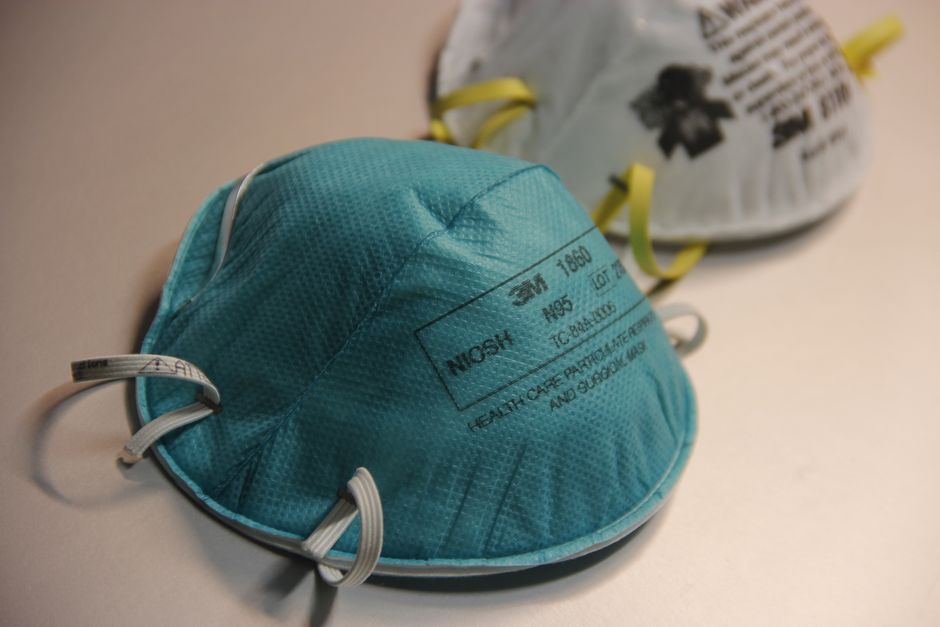
When it comes to biological contaminants, HEPA filters are incredibly effective. They easily trap common household allergens like pollen, pet dander, dust mite debris, and mold spores. They are also highly efficient at capturing bacteria and viruses.
While individual virus particles can be extremely small (often between 0.06 and 0.14 microns), they do not travel through the air alone. Viruses are typically expelled in larger respiratory droplets or aerosol particles when people breathe, talk, or cough. These droplets are easily captured by HEPA filters, drastically reducing the airborne viral load in an enclosed space.
However, HEPA filters have one major limitation: they only capture particulate matter. They cannot stop:
- Volatile Organic Compounds (VOCs) from household cleaners, paints, and new furniture.
- Gaseous chemical pollutants.
- Cooking odors, pet odors, or tobacco smoke smells.
To successfully Tackle Indoor Air Pollution in Homes, a multi-stage approach is required. A truly effective air purifier will pair a HEPA filter with an activated carbon filter. The carbon filter uses adsorption (where gas molecules stick to the massive surface area of carbon pores) to trap odors and chemical fumes, while the HEPA filter captures the physical particles.
Spotting Marketing Gimmicks in a HEPA Filtration vs Standard Air Filters Comparison
Because the word "HEPA" carries so much weight, many manufacturers use misleading marketing terms to sell cheaper, uncertified filters. When shopping, you must watch out for terms like:
- HEPA-type
- HEPA-like
- HEPA-style
- 99% HEPA
These filters are not certified to meet US Department of Energy (DOE) standards. They are often made of standard polyester or low-grade paper and may only capture 85% to 90% of particles, letting through up to 100 times more microscopic pollutants than a True HEPA filter.
To ensure you are getting a genuine product, look for labels that explicitly state "True HEPA" or reference specific standards like EN 1822 or ISO 29463. Genuine HEPA filters will also list their specific efficiency rating (e.g., 99.97% at 0.3 microns) rather than vague claims.
Maintenance, Lifespan, and System Compatibility
Owning a high-performance filter requires commitment to proper maintenance. Standard 1-inch pleated filters in your HVAC system should be checked monthly and replaced every 30 to 90 days, especially if you have pets or live in dusty areas of Montgomery or Conroe.
True HEPA filters in standalone purifiers or bypass systems last much longer, typically between 6 to 24 months, depending on usage. To extend the lifespan of an expensive HEPA filter, most systems use a cheap, washable pre-filter to capture large dust clumps and pet hair before they can clog the delicate HEPA fibers.
| Filter Type | Typical Lifespan | Washable? | Primary Maintenance Action |
|---|---|---|---|
| Standard 1-inch Pleated | 1 to 3 months | No | Dispose and replace |
| HVAC Media Filter (4-inch) | 6 to 12 months | No | Dispose and replace |
| HEPA Pre-Filter | 1 to 3 months | Often | Vacuum or wash with cold water |
| True HEPA Filter | 6 to 12 months | No | Dispose and replace |
It is a common myth that you can wash and reuse a HEPA filter. Unless a filter is explicitly labeled by the manufacturer as "washable HEPA" (which usually means it's a lower-grade synthetic filter), never get a HEPA filter wet. Water will permanently damage the delicate arrangement of glass fibers, causing them to clump together. This ruins the filter's efficiency, turning your medical-grade filter into little more than a piece of cardboard.
If you want to maximize the efficiency of your home's air systems, clean pathways are vital. Understanding the Professional Ductwork Cleaning Benefits can help you keep your overall system running cleanly. When your ducts are free of dust buildup, your filters don't have to work nearly as hard, ensuring a Healthy Duct System Healthy Indoor Air Quality throughout your entire home.
Frequently Asked Questions About Air Filtration
Can I use a true HEPA filter in my standard home furnace?
Generally, no. Standard residential HVAC systems are designed to handle filters with a static pressure drop of less than 0.5 inches of water column. True HEPA filters create a pressure drop that is 3 to 5 times higher. Trying to run a HEPA filter directly in your standard furnace slot will severely restrict airflow, strain your blower motor, and can cause major system failures. If you want HEPA-level filtration for your whole house, you need a professional to install a dedicated whole-home bypass HEPA system.
How do I verify if my air filter is a genuine HEPA filter?
Check the product documentation or the filter frame itself for certification details. A genuine HEPA filter will clearly state that it meets US Department of Energy (DOE) standards or European EN 1822 standards, and it will specify an efficiency of 99.97% (or higher) at 0.3 microns. Avoid any filters that use vague terms like "HEPA-type" or "HEPA-like" without listing a specific micron efficiency.
Can HEPA filters be washed and reused?
No. Standard True HEPA filters are made of delicate glass fibers that will degrade and lose their structure if exposed to water. Washing a standard HEPA filter will ruin its ability to capture microscopic particles. Only clean a HEPA filter if it is specifically labeled as washable, and even then, follow the manufacturer's cleaning instructions precisely.
Conclusion: Finding the Right Balance for Your Texas Home
Deciding on the right air filtration setup for your home in Conroe, Montgomery, or surrounding areas like April Sound, Woodforest, or Walden depends entirely on your family's health needs and your existing HVAC setup.
For many households, upgrading to a high-quality MERV 11 or MERV 13 media filter in your central HVAC system provides plenty of protection against dust, pollen, and pet dander. However, if you have family members with severe allergies, asthma, or compromised immune systems, supplementing your central system with standalone True HEPA air purifiers or a whole-home HEPA bypass system is a great way to Enhance Well-Being with Home Air Quality.
If you are ready to explore advanced Indoor Air Quality Products or need professional advice on how to safely upgrade your home's filtration without risking damage to your air conditioner or furnace, our team at Carl's Cooling LLC is here to help. We serve families all across Montgomery County with honest, expert service. Give us a call today to find the perfect filtration solution for your home!