
Sudden Heat Pump Failures: Triage for Extreme Summer Heat
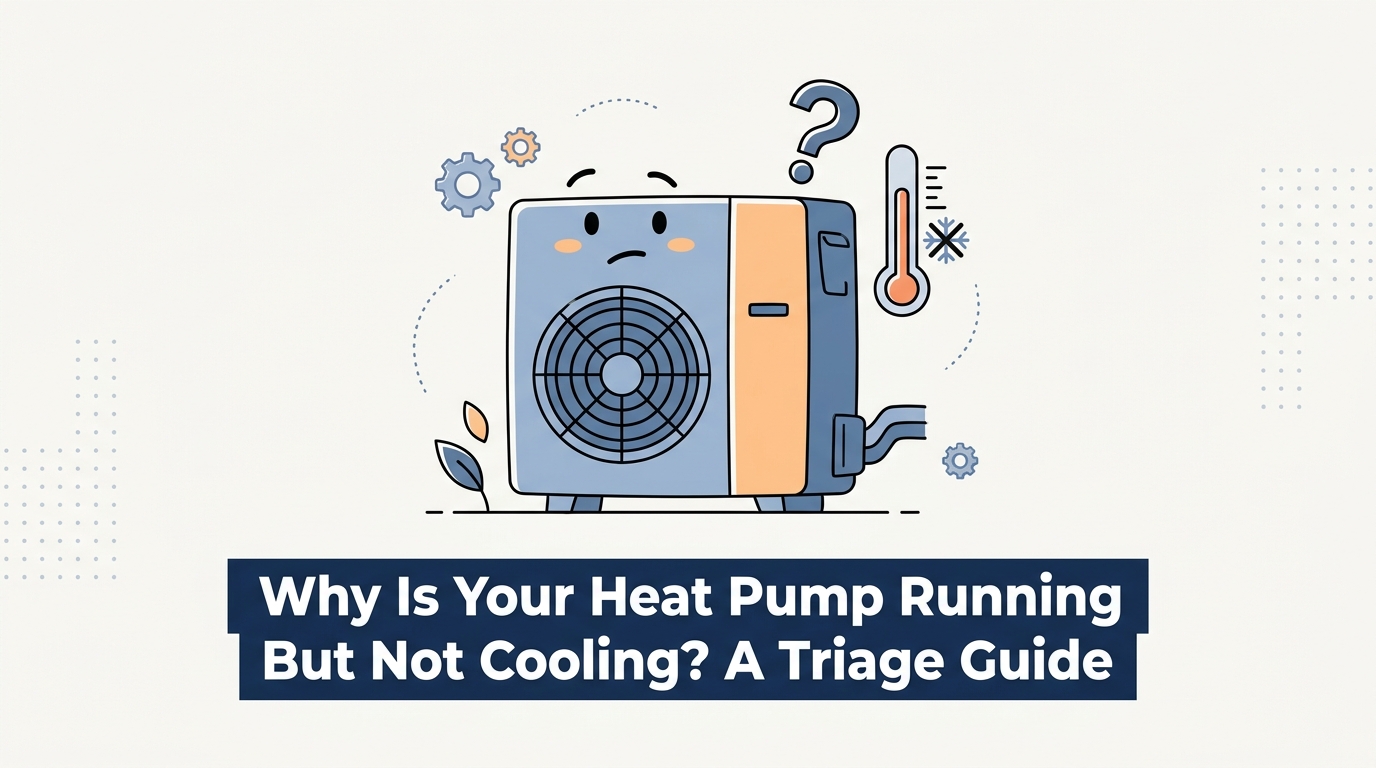
Summer in Texas is fast approaching, and when the extreme heat index spikes, a failing air conditioning system quickly escalates from a minor inconvenience to a serious indoor safety hazard. When you are sweating inside your own living room, getting common homeowner questions answered immediately is the first step toward restoring your home's comfort. One of the most frustrating scenarios you can encounter is a system that sounds like it is working perfectly—the outdoor fan is spinning, the indoor blower is running—but the vents are only pushing out tepid or warm air.
This specific symptom indicates that your system is operating mechanically, but the critical heat transfer process has completely stalled. Troubleshooting common service problems requires an objective, step-by-step framework to identify the root cause without jumping to worst-case conclusions. The goal is to determine whether the issue stems from a simple setting adjustment, a blocked airflow pathway, or a severe mechanical failure that requires immediate professional intervention.
If your indoor temperatures are already climbing into the danger zone and you need to contact our cooling experts right away, we provide professional HVAC services to get your system safely back online. However, if you are safely able to investigate the situation, there is a clear triage process you should follow before picking up the phone.
The Hidden Danger of a Running, Non-Cooling System
Many homeowners assume that if the system is running, it is at least doing something helpful. In reality, allowing a heat pump to run continuously when it is not actively cooling the air can cause catastrophic damage to the equipment. The compressor relies on the flow of cool refrigerant returning from the indoor coil to keep its internal motor from overheating. When the system is starved for airflow or low on refrigerant, that cooling effect disappears. Leaving a malfunctioning system running for hours in the afternoon heat forces the compressor to work harder, draw more electricity, and potentially burn out entirely. The first rule of HVAC triage is simple: if the air isn't cold, turn the system off at the thermostat to protect the machinery.
3 Safe DIY Checks When Your System Isn't Blowing Cold
Before assuming your equipment has suffered a major breakdown, there are three safe, homeowner-approved checks you should perform. These simple steps resolve a surprising number of cooling complaints and can save you the cost of a diagnostic visit.
- Thermostat settings: It sounds incredibly basic, but verifying your thermostat is the necessary first step. Ensure the system is explicitly set to "Cool" rather than "Heat" or "Off." Next, check the fan setting. If the fan is set to "On," the indoor blower will run continuously 24/7, even when the outdoor compressor cycles off. This means it will blow unconditioned, room-temperature air through the vents between cooling cycles. Switch the fan to "Auto" so it only blows air when the system is actively cooling.
- Air filter inspection: A severely clogged air filter is the number one cause of unexpected HVAC performance drops. The Department of Energy notes that replacing a dirty filter with a clean one can lower your air conditioner's energy consumption by up to 15%. More importantly, a dirty filter chokes off the airflow required to keep the indoor evaporator coil warm enough to prevent freezing. If air cannot pass over the coil, the temperature drops rapidly, turning the condensation into a solid block of ice. Check your filter and replace it immediately if it is coated in dust or pet dander.
- Outdoor unit clearance: Your heat pump absorbs heat from inside your house and exhausts it outside. If the outdoor condenser coil is smothered by tall grass, overgrown bushes, or a thick blanket of cottonwood seeds, the system cannot expel the heat. It will continue to run, but the trapped heat will cause the system's internal pressures to skyrocket, eventually triggering a high-pressure safety switch or simply failing to cool the home. Ensure there is at least two feet of clear space around the entire perimeter of the outdoor unit.
The safety boundary: These three steps represent the absolute limit of safe DIY troubleshooting. If you have confirmed the thermostat is set correctly, the filter is clean, and the outdoor unit is unobstructed, the system requires professional attention. Never attempt to open electrical panels, test capacitors, or attach gauges to the refrigerant lines yourself.
The Reversing Valve: Why Your Heat Pump Is Stuck in Heating Mode
Unlike a traditional standalone air conditioner, a heat pump serves as both a cooling and heating system. It achieves this dual functionality through a specialized mechanical component called the reversing valve. This brass valve sits near the compressor and physically reverses the direction that pressurized refrigerant flows through the system.
How the Reversing Valve Works
During the summer, the reversing valve directs hot, high-pressure refrigerant gas outdoors to release heat, while sending cold liquid indoors to absorb heat. In the winter, an electrical solenoid shifts a slide inside the valve, reversing the process to pull ambient heat from the outdoor air and pump it into your home. Because this valve is constantly shifting back and forth year after year, it is susceptible to mechanical wear and electrical failure.
Symptoms of a Stuck Valve
If the reversing valve becomes stuck in the winter position during a summer heat wave, your heat pump will literally operate as a furnace. The system will run normally, the fans will spin, but the vents will blast hot air into an already warm house. This can happen for two reasons: the electrical solenoid coil that commands the valve has burned out, or the internal brass slide has jammed due to debris or mechanical failure.
Diagnosing and replacing a reversing valve is strictly a job for licensed technicians. It requires recovering the system's refrigerant, using an oxyacetylene torch to unbraze the old valve, brazing a new one in place while protecting it from heat damage, and pulling a deep vacuum on the system before recharging it. Working with a team that brings trusted local expertise ensures accurate diagnostics—meaning we correctly identify a relatively inexpensive reversing valve solenoid issue rather than prematurely quoting a total compressor replacement.
Refrigerant Leaks and Frozen Evaporator Coils
Heat pumps do not consume refrigerant the way a car consumes gasoline. The refrigerant operates in a closed, pressurized loop. If your system is low on refrigerant, it means there is a physical leak somewhere in the copper lines, the indoor coil, or the outdoor coil.
The Science of a Frozen Coil
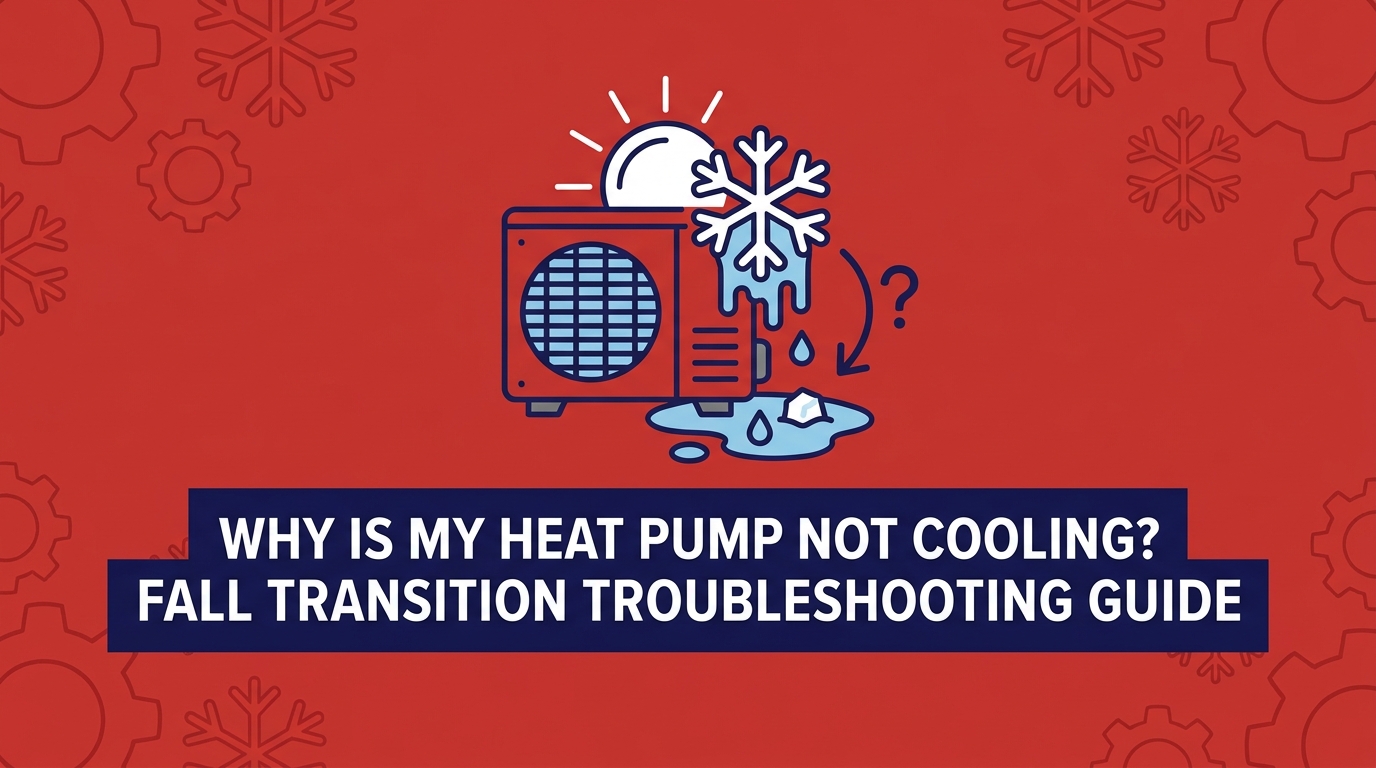
The role of refrigerant is to absorb heat from your indoor air. As warm air blows over the indoor evaporator coil, the cold liquid refrigerant inside boils into a gas, soaking up the heat. When a system loses refrigerant due to a leak, the pressure inside the indoor coil drops significantly. According to the laws of thermodynamics, a drop in pressure results in a drop in temperature. The remaining refrigerant becomes so unnaturally cold that the normal condensation dripping off the coil instantly freezes.
Signs of a refrigerant leak include:
- Hissing or bubbling sounds: You may hear faint noises near the indoor air handler or the outdoor unit where the copper lines connect.
- Ice buildup: You might see a solid block of white ice forming on the copper pipes outside or on the indoor coil itself.
- Continuous operation: The system will run for hours without ever reaching the target temperature on the thermostat.
The True Cost of "Topping Off"
Homeowners often ask if a technician can simply top off the system with more Freon or Puron. Recharging a leaking system without finding and repairing the hole is a temporary, expensive, and environmentally harmful band-aid. Furthermore, strict EPA regulations govern the handling and venting of chemical refrigerants. Attempting DIY refrigerant repairs is illegal and highly dangerous due to the extreme pressures involved. Running a system with low refrigerant for an extended period will eventually starve the compressor of the oil that circulates with the chemicals, leading to catastrophic mechanical failure.
Compressor and Electrical Failures During Peak Demand
When the summer heat reaches its peak, your heat pump works overtime. This extreme operational strain frequently exposes underlying electrical weaknesses that were entirely invisible during the milder spring months.
The Role of the Run Capacitor
The most common electrical failure in any HVAC system is a blown dual-run capacitor. The compressor motor requires a massive jolt of electricity to start spinning against the pressure of the refrigerant. The capacitor acts like a powerful battery, storing electricity and delivering that necessary torque. When a capacitor fails due to extreme heat or age, the compressor cannot start. You will typically hear a loud buzzing or clicking sound coming from the outdoor unit as the motor tries and fails to turn over—a condition known as a "hard start."
Tripped Breakers and Blown Fuses
Your heat pump is wired to a dedicated circuit breaker, and the outdoor unit usually has an external disconnect box containing high-voltage fuses. These electrical safeguards are designed to trip or blow if the system pulls too much amperage. If the compressor is overheating, or if there is a dead short in the wiring, the breaker will trip to prevent an electrical fire.
If your heat pump's breaker trips, you can safely reset it exactly once. If it trips a second time immediately after turning the system back on, leave it off. A repeatedly tripping breaker is a massive red flag indicating a serious electrical fault. Homeowners should never attempt to bypass fuses, test high-voltage contactors, or replace capacitors. The electrical current powering an outdoor condenser is lethal, and only trained professionals with insulated tools and multimeters should open the service panel.
Emergency vs. Standard Scheduling: Making the Right Call
Once you have ruled out the thermostat, the air filter, and blocked outdoor airflow, you face a critical decision point: does this non-cooling heat pump require an emergency, after-hours call-out, or can it wait for a standard scheduled appointment?
In Texas, where extreme summer heat index requirements frequently push outdoor "feels like" temperatures well past 105°F, indoor temperatures can reach dangerous levels within just a few hours. A broken air conditioner quickly transitions from a frustrating comfort issue to a severe health risk, particularly for vulnerable populations.
Use the following objective triage framework to make the right call for your household:
| Triage Factor | Standard Scheduling Appropriate | Emergency Service Required |
|---|---|---|
| Outdoor Weather | Mild temperatures, overcast, or late evening with a cool front approaching. | Extreme heat index warnings, triple-digit temperatures, peak afternoon sun. |
| Household Safety | Healthy adults capable of using fans or relocating temporarily. | Infants, elderly family members, or individuals with medical conditions. |
| System Status | System is completely powered off and safely secured at the breaker. | Electrical burning smells, sparking, or smoke coming from the vents/equipment. |
| Indoor Temperature | Holding steady below 80°F with ceiling fans running. | Rapidly climbing past 85°F with no ventilation or relief available. |
Why You Must Turn the System Off
Regardless of whether you schedule an emergency visit or a standard appointment for the following day, you must switch the thermostat to "Off." If you leave a malfunctioning system running while waiting for a technician, you risk causing thousands of dollars in secondary damage. A frozen coil will continue to build ice until it crushes the delicate aluminum fins, and an overheating compressor will eventually short to ground, destroying the entire outdoor unit. Turn it off, turn on your ceiling fans, and wait for professional diagnostics.

Frequently Asked Questions About Non-Cooling Heat Pumps
Why is my heat pump running but not cooling?
This is often caused by dirty filters, blocked outdoor units, low refrigerant, or a stuck reversing valve. The system operates mechanically—meaning the fans are spinning and electricity is flowing—but it cannot transfer heat effectively. When airflow is blocked or refrigerant is low, the chemical process required to absorb indoor heat completely stalls. Identifying the exact cause requires checking the basic airflow pathways first, followed by professional pressure and electrical testing.
How do you fix a heat pump that is not blowing cold air?
Start by checking the thermostat settings and replacing the indoor air filter. If those basic homeowner checks fail to restore cold air, a licensed professional must step in to test the refrigerant pressures and electrical components. Technicians will attach digital gauges to measure the chemical charge and use multimeters to test the capacitors, contactors, and reversing valve solenoid. Attempting to fix internal mechanical components without proper training can result in serious injury or permanent equipment damage.
How do I know if my reversing valve is bad?
The most obvious sign is that the system will blow warm air in cooling mode, or cold air in heating mode, despite all other components functioning normally. Because the reversing valve controls the direction of the refrigerant flow, a physical jam or electrical solenoid failure locks the system into the wrong season. However, confirming this diagnosis requires professional diagnostic tools to differentiate between a stuck valve, a failing compressor, or a severe airflow restriction, as all three can produce similar temperature symptoms.
Why is my heat pump blowing warm air in summer?
This could be a thermostat set incorrectly to "Heat" or "On", a stuck reversing valve, or a severe refrigerant leak that has depleted the system's cooling capacity. When refrigerant levels drop too low, the system simply recirculates ambient room-temperature air through the ductwork. If you feel warm air coming from the vents during the summer, shut the system off immediately at the thermostat to prevent the compressor from overheating, and schedule a professional inspection.
Can a dirty air filter stop a heat pump from cooling entirely?
Yes, severe airflow restriction caused by a clogged filter can cause the evaporator coil to freeze solid. Once the indoor coil is encased in a block of ice, the system cannot cool the air passing over it, and the vents will stop blowing cold air. The ice acts as an insulator, preventing the refrigerant from absorbing ambient heat. Simply replacing the dirty filter and allowing the ice to melt completely (with the system turned off) will often restore full cooling functionality.
Restore Your Home's Comfort with Accurate Diagnostics
Dealing with a sudden cooling failure during the peak of summer is stressful, but following a structured triage process keeps you in control of the situation. While basic checks like thermostat verification and filter replacements are safe and highly effective, persistent cooling failures require objective, professional diagnosis. Trying to force a broken system to cool your home will only result in higher utility bills and severe mechanical damage.
During extreme weather events, it is essential to act quickly to protect both your home's indoor environment and the longevity of your HVAC equipment. Turn the system off at the first sign of trouble to prevent compressor burnout. By scheduling a thorough inspection with local experts who prioritize safety and accurate troubleshooting over immediate sales pressure, you ensure that the root cause of the problem is identified and resolved correctly the first time.