
Why Knowing How to Choose the Right Refrigeration System for Your Business Can Make or Break Your Operation
Knowing how to choose the right refrigeration system for your business comes down to matching your product types, storage volume, temperature requirements, and kitchen layout to the right equipment — before you spend a dollar on installation.
Here is a quick-reference breakdown to help you decide fast:
- Define what you are storing - raw meat, produce, beverages, or frozen goods each have different temperature needs
- Know your required temps - coolers must stay at or below 41°F; freezers at 0°F per FDA Food Code
- Calculate your capacity - plan for roughly 1.5 to 2.0 cubic feet of refrigeration per seat, or use the 28 lbs per cubic foot rule for walk-ins
- Match the unit type to the use case - walk-ins for bulk storage, reach-ins for line access, prep tables for active stations, display cases for retail
- Check energy efficiency - look for ENERGY STAR certification and eco-friendly refrigerants like R-290
- Plan for your layout - allow proper ventilation clearance and think about door swing, workflow, and heat rejection
- Factor in total cost of ownership - not just the purchase price, but energy, maintenance, and serviceability over time
Running a restaurant, grocery, café, or any food-related business means your refrigeration is never really "off the clock." It runs 24 hours a day, 365 days a year. When it fails — or when it was never the right fit to begin with — the consequences are immediate: spoiled product, food safety violations, frustrated staff, and lost revenue.
Think about it this way: if your oven breaks down, you adapt the menu. If your refrigeration fails, you face spoilage, potential health code violations, and a kitchen that grinds to a halt. The stakes are simply higher.
Choosing the wrong system is one of the most common and costly mistakes business owners make — not because the options are scarce, but because there are so many variables involved. Size, temperature class, access frequency, placement, energy draw, compliance requirements — each one matters, and they all interact with each other.
This guide walks you through every factor you need to consider, so you can make a confident, informed decision that serves your business for years to come.

Understanding the Main Types of Commercial Refrigeration Systems
Before you can decide which system is best, you need to know what’s on the menu. In our years of providing Commercial Refrigeration Conroe Guide insights, we've seen that the "one-size-fits-all" approach leads to nothing but headaches.

Walk-In Coolers and Freezers
These are the heavy hitters. If you are a high-volume restaurant in The Woodlands or a grocery store in Spring, a walk-in is your central hub for bulk storage. They offer massive capacity and can be customized to fit your specific footprint.
Reach-In Units
Think of these as your "active" storage. They sit right in the kitchen or behind the counter for quick access. They come in one, two, or three-door configurations and can be either refrigerators or freezers.
Refrigerated Prep Tables
Essential for sandwich shops, pizzerias, and salad bars, these units combine a refrigerated base with a chilled top rail. They keep your ingredients at safe temperatures while allowing staff to build orders directly on top of the unit.
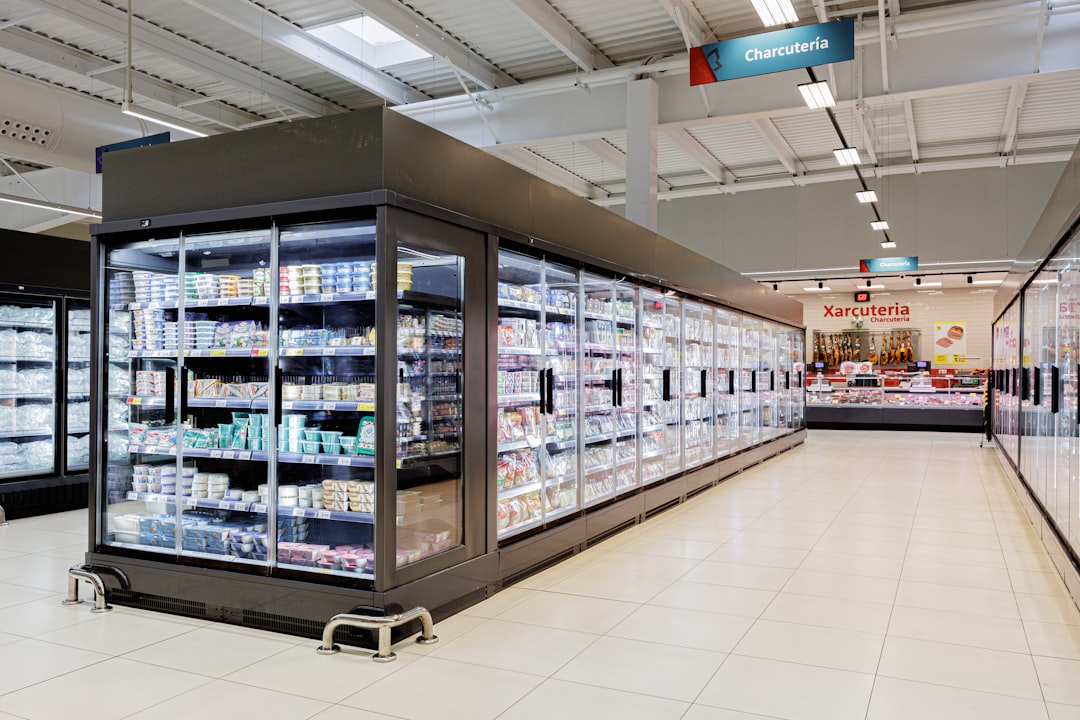
Display Cases
If you’re running a bakery in Montgomery or a deli in Tomball, you need your customers to see your products without compromising safety. Display cases use specialized airflow to keep items cold while providing high visibility through glass panels.
Rack Systems and Blast Chillers
Rack systems are centralized compressors often used in large supermarkets or warehouses to power multiple cases at once. Blast chillers, on the other hand, are designed to pull heat out of food rapidly—taking hot items down to safe storage temperatures in record time to meet health standards.
Undercounter Units
Perfect for tight spaces like bars in Conroe or small cafés in Magnolia, these low-profile units slide right under standard countertops, providing extra storage right where it's needed most.
How to Choose the Right Refrigeration System for Your Business Needs
The secret to a successful setup is matching the equipment to the job. Using a reach-in for bulk storage will lead to overcrowding and poor airflow, while using a walk-in for frequent line access will waste energy every time that massive door swings open.
| Feature | Walk-In Cooler | Reach-In Refrigerator |
|---|---|---|
| Storage Volume | High (Bulk storage) | Low to Medium (Daily use) |
| Access Frequency | Low (Occasional restocking) | High (Constant line access) |
| Footprint | Large (Often requires dedicated space) | Compact (Fits in kitchen lines) |
| Customization | Very High (Size, floors, shelving) | Low (Standard sizes) |
Temperature Requirements and TCS Food Safety
In food service, we talk a lot about "Time/Temperature Control for Safety" (TCS) foods. Under the 2022 FDA Food Code, these items must generally be held at 41°F or less. If your system can't reliably hold that line, you're looking at bacterial growth and potential health department shutdowns. For frozen goods, you’re aiming for 0°F to ensure everything stays solid. If you're struggling with consistency, you might need a Refrigeration Service Conroe TX to calibrate your controls.
Assessing Capacity: How to Choose the Right Refrigeration System for Your Business Growth
Don't just buy for today; buy for where you want to be in April 2026. A common rule of thumb is to plan for 1.5 to 2.0 cubic feet of refrigeration space per seat in a restaurant setting.
If you're looking at bulk storage, remember the "28 lbs rule": one cubic foot of walk-in space can typically hold about 28 pounds of food. However, don't forget that you need space for shelving and airflow. A "packed" fridge is an inefficient one. If you’re expanding your operations in places like Commercial Refrigeration Montgomery TX, always size up slightly to account for peak demand and future menu growth.
Strategic Placement: How to Choose the Right Refrigeration System for Your Business Layout
Where you put your fridge is just as important as what kind you buy. We often see businesses in Cypress or Jersey Village struggle with units that fail prematurely because they were tucked into a corner with zero ventilation.
- Ventilation Clearance: Most units need 2-4 inches of rear clearance and 3-6 inches of top clearance to "breathe."
- Heat Rejection: Refrigerators don't "create cold"—they remove heat. That heat has to go somewhere. If the ambient temperature in your kitchen is too high (like sitting right next to a broiler), your compressor will work double-time, leading to early failure.
- Workflow Optimization: Place your prep tables near the assembly line and your walk-ins near the delivery entrance. This minimizes the time doors stay open and keeps your staff moving efficiently. For businesses in Commercial Refrigeration Spring TX, optimizing this layout can significantly lower your monthly utility bills.
Technical Specifications and Energy Efficiency Features
As of 2025, the Department of Energy (DOE) has finalized new federal energy conservation standards for commercial refrigeration. While compliance for some manufacturers begins in 2029, the industry is already shifting toward much more efficient designs.
When you're shopping, keep an eye out for these features:
- ENERGY STAR Certification: These units can use up to 30% less energy than standard models.
- R-290 Refrigerant: This is a high-purity propane refrigerant. It’s eco-friendly, has low global warming potential, and is becoming the industry standard for smaller self-contained units.
- Variable-Speed Compressors: Unlike traditional compressors that are either "on" or "off," variable-speed models adjust their output to match the cooling demand, saving a massive amount of electricity.
- Smart Monitoring: Modern systems can alert your phone if the temperature dips or if a door is left ajar, preventing a total loss of inventory.
- LED Lighting: It produces less heat than traditional bulbs, meaning your fridge doesn't have to work as hard to stay cool.
For larger facilities, technologies like Variable Refrigerant Flow VRF are changing how we manage climate control, allowing for precise temperature management across different zones of a building.
Maintenance, Reliability, and Long-Term Performance
You wouldn't drive a car for five years without an oil change, yet many businesses treat their refrigeration this way. Proper maintenance is the difference between a system that lasts 15 years and one that dies in 7.
The Maintenance Checklist
- Clean the Condenser Coils: This is the #1 cause of compressor failure. Dust and grease act like a blanket, trapping heat.
- Check Gasket Integrity: If your door seals are cracked or brittle, cold air is escaping. This causes the unit to run constantly and can lead to evaporator coil freezing.
- Refrigerant Leak Detection: Low refrigerant levels make the system work harder and cool less effectively.
- NSF/ANSI 7 Compliance: Ensure your units are easy to clean and meet sanitation standards to avoid issues during health inspections.
Ignoring these basics leads to Commercial Refrigeration Maintenance Challenges that usually result in an emergency service call at 9:00 PM on a Saturday.
Frequently Asked Questions about Commercial Refrigeration
What is the difference between self-contained and remote refrigeration?
A self-contained unit has the compressor and condenser built right into the box. It's "plug-and-play" but rejects heat and noise directly into your kitchen. Remote refrigeration places the noisy, heat-generating components outside (usually on the roof). This keeps your kitchen cooler and quieter but requires more complex piping and professional installation. Our Commercial Refrigeration Contractor Conroe Tips often suggest remote systems for businesses with multiple large units to keep the indoor environment comfortable.
How often should commercial refrigeration systems be serviced?
At a minimum, you should be cleaning your own coils monthly. However, we recommend quarterly professional inspections. A pro can check refrigerant pressures, calibrate thermostats, and catch small electrical issues before they become "total system failure" issues. Consistent Refrigeration Services are the best insurance policy for your inventory.
What are the required temperature ranges for food safety?
Per the FDA Food Code, cold foods must be kept at 41°F (5°C) or colder. Frozen foods should be kept at 0°F (-18°C) to ensure they remain frozen solid. If you notice your temperatures creeping up, don't wait. You can find help Resolving Issues Commercial Refrigeration before the food enters the "danger zone" (between 41°F and 135°F), where bacteria multiply rapidly.
Conclusion: Investing in Your Business's Future
Choosing the right refrigeration system isn't just about picking a box that gets cold. It's about understanding your workflow, calculating your growth, and committing to the maintenance that keeps your "cold chain" unbroken.
The total cost of ownership includes the energy you pay for every month and the repairs you avoid through smart selection. Whether you are outfitting a new restaurant in Willis or upgrading a medical facility in Houston, the right partner makes all the difference.
At Carl's Cooling LLC, we live and breathe these systems. We've helped countless businesses across Conroe, The Woodlands, and Montgomery County find the perfect balance of efficiency and reliability. If you’re ready to stop sweating over your refrigeration and start focusing on your customers, we’re here to help. From emergency repairs to custom installations, our Commercial Services are designed to keep your business running cool.