
Surviving Summer Heat: When Your Heat Pump Stops Cooling
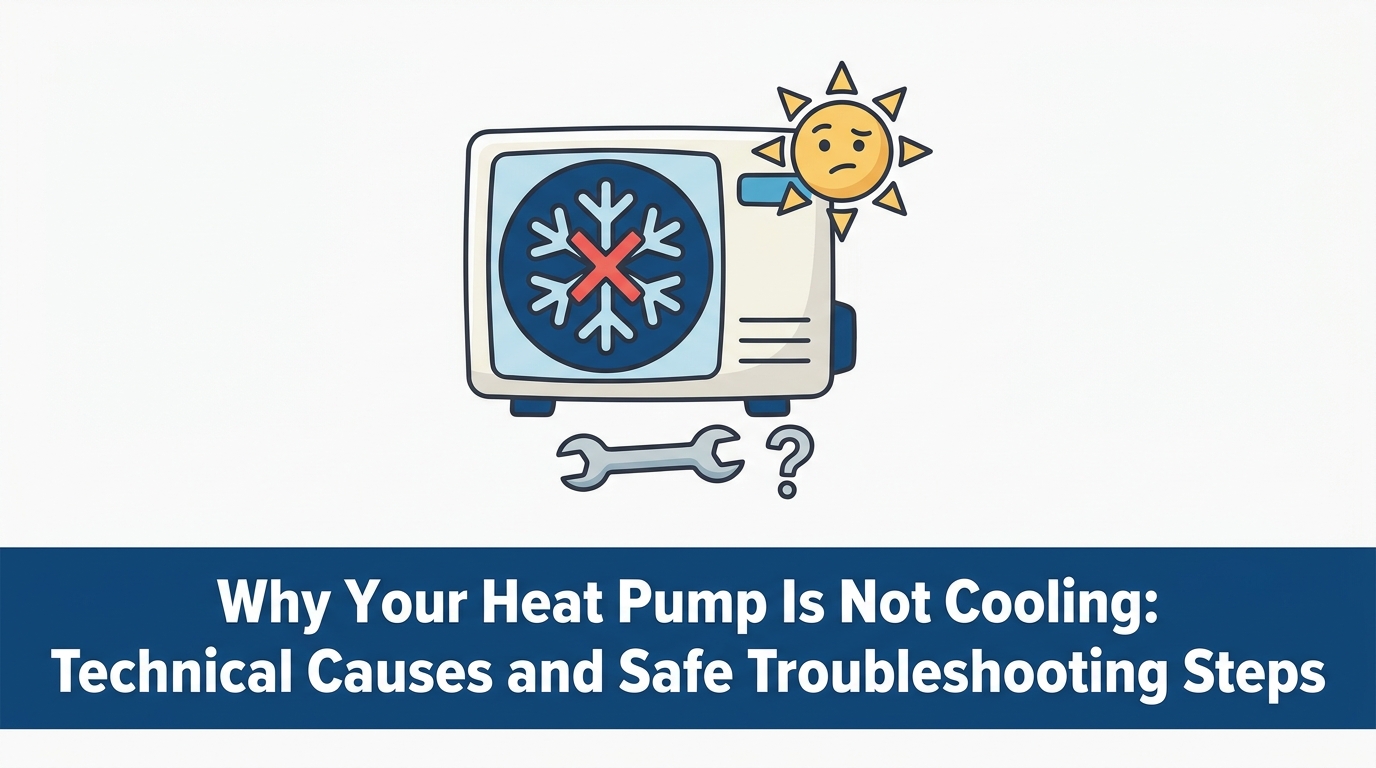
Summer in Conroe is rapidly approaching, and getting your common homeowner questions answered early is the most effective way to prepare for the relentless heat. Before the extreme summer heat waves arrive and force your heat pump to run almost continuously, you need to know exactly how to handle a sudden loss of cooling. When a heat pump runs but only blows warm air, you face an immediate decision: do you attempt a safe DIY check, wait to see if the system corrects itself, or call a professional for an immediate assessment?
Understanding the exact technical causes behind a cooling failure helps you set accurate expectations for repair timelines and costs. If you are unsure where to start, seeking professional HVAC services ensures your system is evaluated correctly without relying on guesswork. We regularly review common FAQ queries regarding local service timelines and expectations, and the data shows a clear pattern: homeowners who understand the boundary between simple airflow checks and complex mechanical failures get their systems back online faster. This guide breaks down the specific technical reasons your heat pump stops cooling and outlines the exact steps you can safely take before calling for mechanical support.
Understanding the Symptoms: Running vs. Not Cooling
A heat pump that refuses to turn on entirely is experiencing a very different mechanical failure than a unit that runs constantly but fails to lower the indoor temperature. Accurately identifying the specific symptom is the first step in diagnosing the root cause and determining whether you need a quick filter change or a complex electrical repair.
- Symptom 1: Warm air blowing from the vents. If the indoor fan is running and pushing air through your ductwork, but that air feels warm or room temperature, the issue usually resides in the outdoor unit. This typically indicates a problem with the reversing valve, a low refrigerant charge, or a compressor that has locked out on thermal overload.
- Symptom 2: No airflow at all. If you hear the system running but feel absolutely nothing coming out of your supply registers, the indoor blower motor has likely failed, or the evaporator coil has completely frozen over with a block of solid ice, physically blocking the air from passing through.
- Symptom 3: The system will not start. If the thermostat is calling for cooling but neither the indoor nor outdoor units respond, you are generally dealing with a high-voltage electrical issue, a tripped circuit breaker, or a total thermostat communication failure.
To help clarify what to expect regarding local service timelines, here is a breakdown of how these symptoms translate to technical causes and required actions:
| Observed Symptom | Likely Technical Cause | Action Required |
|---|---|---|
| Warm air from vents | Reversing valve stuck, refrigerant leak, or compressor failure | Professional mechanical diagnostic |
| Weak or zero airflow | Clogged filter, frozen coil, or blower motor failure | Safe DIY filter check, then professional service |
| System completely unresponsive | Tripped breaker, blown fuse, or dead thermostat | Safe DIY breaker/thermostat check, then professional electrical service |
Safe DIY Troubleshooting Steps for Homeowners
Before you escalate the issue to a professional technician, there are several safe, non-mechanical checks you can perform. These steps do not require opening sealed electrical cabinets or handling refrigerant, but they can resolve basic airflow and communication issues.
Thermostat Configuration Checks
- Verify the cooling mode: Ensure the thermostat is explicitly set to "Cool" and the target temperature is set at least three degrees below the current room temperature.
- Check the fan setting: Switch the fan setting from "On" to "Auto." When the fan is set to "On," it runs continuously, even when the outdoor compressor cycles off, which can make it feel like the system is blowing warm air.
- Wait out the delay timer: Modern digital thermostats feature a built-in five-minute delay timer to protect the compressor from short-cycling. If you just adjusted the temperature, wait a full five minutes to see if the outdoor unit engages.
Air Filter Inspection
Restricted airflow severely impacts the heat pump cooling cycle. The indoor blower must pull enough warm room air over the cold evaporator coil to transfer heat effectively. According to the Department of Energy, a dirty air filter can reduce system efficiency by up to 15 percent. More importantly, when airflow is choked off, the evaporator coil gets too cold, causing normal condensation to freeze into a solid block of ice. Check your air filter; if you cannot see light through it, replace it immediately.
Inspect the outdoor unit: The outdoor condenser needs a minimum of two feet of clearance on all sides to exhaust the heat it pulls from your home. Clear away any overgrown vegetation, leaves, or debris blocking the metal fins. If these basic checks do not resolve the airflow issue, it is time to contact our team for repair.

The Reversing Valve: When Your System is Stuck in Heating Mode
Unlike a traditional air conditioner, a heat pump provides both heating and cooling. The component responsible for switching between these modes is the reversing valve. Understanding how this specific part operates explains why a heat pump might blow hot air in the middle of summer.
How the Reversing Valve Operates
The reversing valve is a heavy brass component containing an internal sliding mechanism. When you switch your thermostat to cooling mode, a low-voltage electrical signal energizes (or de-energizes, depending on the manufacturer) a magnetic solenoid coil attached to the valve. This solenoid shifts the internal slide, reversing the physical flow of pressurized refrigerant through the system. Instead of bringing heat indoors, the system absorbs heat from the indoor air and pumps it outside.
Signs of Valve Failure
If the solenoid burns out or the internal slide becomes physically jammed by debris or wear, the valve will fail to shift. The result is a heat pump that remains permanently locked in heating mode. You will feel constant warm air coming from the vents regardless of how low you set the thermostat. You might also hear a repetitive clicking noise from the outdoor unit as the solenoid attempts to engage without success. Testing a reversing valve requires specialized electrical multi-meters and high-voltage training. Because replacing the valve involves recovering the refrigerant, un-brazing the old valve with a torch, and brazing a new one into the sealed copper lines, this is strictly a professional repair.
Refrigerant Leaks and EPA Compliance Standards
A widespread misconception is that heat pumps naturally consume or "use up" refrigerant over time. Heat pumps operate on a closed-loop system; they do not consume refrigerant. If your system is low on refrigerant, it means there is a physical leak somewhere in the copper lines, the indoor evaporator coil, or the outdoor condenser coil.
When refrigerant levels drop, the pressure inside the system drops with it. This pressure drop causes the temperature of the indoor coil to plummet below freezing. As warm indoor air passes over this super-chilled coil, the moisture in the air freezes instantly, creating a block of ice that chokes off airflow. The system will run continuously but fail to cool the house.
Addressing a refrigerant leak requires strict adherence to safety and legal standards. Federal law mandates that handling heat pump refrigerant requires EPA Section 608 certification. Homeowners must avoid DIY recharge kits found online or at auto parts stores. Introducing incorrect refrigerants or failing to pull a proper vacuum on the system will contaminate the compressor oil, destroy the mechanical components, and instantly void the manufacturer's warranty. A professional technician will use electronic leak detectors to find the exact source of the leak, repair the copper, and recharge the system to factory specifications.
Condensate Drain Clogs from High Humidity
During the cooling cycle, your heat pump acts as a powerful dehumidifier. The indoor evaporator coil extracts significant amounts of moisture from the warm indoor air. This moisture drips into a drain pan and flows outside through a PVC condensate drain line.
Conroe's subtropical climate involves incredibly high humidity. This excess moisture can quickly overwhelm a partially clogged condensate drain during extended summer cooling cycles. Dust, dirt, and biological growth naturally accumulate inside the dark, damp PVC pipe. When the line clogs, water backs up into the drain pan.
To prevent catastrophic water damage to your ceilings or floors, modern heat pumps feature a safety float switch installed in the drain pan. When the water level rises too high, this switch trips and automatically shuts down the low-voltage signal to the outdoor compressor. The indoor fan will continue to run, blowing unconditioned, room-temperature air through the house, but the outdoor unit will remain completely silent. Clearing the drain line with a wet/dry vacuum and flushing it with white vinegar restores functionality and prevents future biological growth.
Electrical and Compressor Failures
When the mechanical heart of the heat pump fails, professional intervention is mandatory to ensure the system is repaired safely and up to local electrical codes. The outdoor unit relies on several high-voltage components to start and run the heavy compressor and the outdoor fan motor.
The dual run capacitor is one of the most common failure points. This component stores electricity and delivers a massive jolt of power to start the compressor and fan motor. If the capacitor bulges, leaks, or loses its microfarad rating, the outdoor fan might stop spinning, or the compressor will hum loudly but fail to start. Without the compressor running, no heat transfer occurs, resulting in warm indoor airflow.
Thermal overload is another severe issue. If the outdoor coil is heavily blanketed in dirt, or if the fan motor fails, the compressor cannot dissipate heat. To protect itself from melting down, the compressor has an internal thermal overload switch that forces it to shut down until it cools off. Diagnosing these electrical failures involves testing live high-voltage circuits and establishing a realistic timeline for part replacement. Relying on Carl's Quality Cooling and Heating's trusted local expertise and prompt response times for emergency compressor diagnostics ensures these complex repairs are handled safely, restoring your comfort without unnecessary delays.
Frequently Asked Questions About Heat Pump Cooling Failures
Why is my heat pump running but blowing warm air?
This typically means the indoor blower is working, but the outdoor cooling cycle has failed. The most common technical causes are a stuck reversing valve, a low refrigerant charge due to a leak, or a tripped safety float switch in the condensate drain pan. A professional diagnostic is required to pinpoint which component has stopped the heat transfer process.
How do you test a heat pump reversing valve?
Testing the reversing valve requires a digital multi-meter to check for proper voltage at the solenoid coil. A technician will verify if the coil is receiving the 24-volt signal from the thermostat and check the magnetic pull of the solenoid. Because this involves testing live electrical wires and assessing the sealed refrigerant temperatures on both sides of the valve, it is not a safe DIY task.
Why is my heat pump outside unit not turning on?
If the indoor fan runs but the outside unit is completely silent, the system is likely suffering from an electrical interruption. This is frequently caused by a failed dual run capacitor, a tripped high-voltage circuit breaker at the main electrical panel, or a safety lockout triggered by a clogged condensate drain line.
Can a heat pump freeze up in summer?
Yes, a heat pump can easily freeze into a solid block of ice during the hottest days of summer. This happens when airflow is severely restricted by a heavily soiled air filter, or when the system has a refrigerant leak that causes the evaporator coil's internal pressure and temperature to drop below the freezing point.
How do I reset my heat pump?
To perform a hard reset on your heat pump, turn the thermostat to the "Off" position. Locate the dedicated circuit breakers for both the indoor air handler and the outdoor compressor in your main electrical panel, and flip them to the "Off" position for five full minutes. Turn the breakers back on, wait a moment, and then set the thermostat back to "Cool."
What is the standard timeline for a professional heat pump repair?
The timeline depends entirely on the technical cause of the failure. Minor electrical components like capacitors or contactors are typically stocked on the service truck and replaced in under an hour. Complex repairs involving sealed system access, such as replacing a reversing valve or repairing a major refrigerant leak, often require a scheduled half-day appointment and specialized recovery equipment.
Next Steps for Restoring Your Home's Cooling
A heat pump blowing warm air is a definitive signal that the system requires technical attention. While checking your thermostat settings, changing the air filter, and ensuring the outdoor unit is clear of debris are excellent first steps, mechanical failures demand certified expertise. Attempting to bypass safety switches or handle high-voltage components without training puts your safety and your equipment at risk.
Understanding the technical cause behind the failure ensures you know exactly what to expect regarding repair timelines and safety standards. Once basic filter and thermostat checks are complete, reach out for a professional assessment. A thorough, technical evaluation will provide a clear step-by-step resolution path, allowing you to restore your system's cooling capacity efficiently and safely.