

Is Your AC Trying to Tell You Something? Warning Signs Homeowners in Conroe Shouldn't Ignore
The signs your ac needs repair are often easy to miss — until your home in Conroe, Montgomery, or anywhere across Montgomery County feels less like a refuge and more like a sauna on a sweltering Texas afternoon. With summer heat pushing systems hard for months at a time, even a small problem can quietly grow into a full breakdown when you can least afford it.
The good news? Your AC almost always warns you before it quits completely.
Here are the most common signs your AC needs repair:
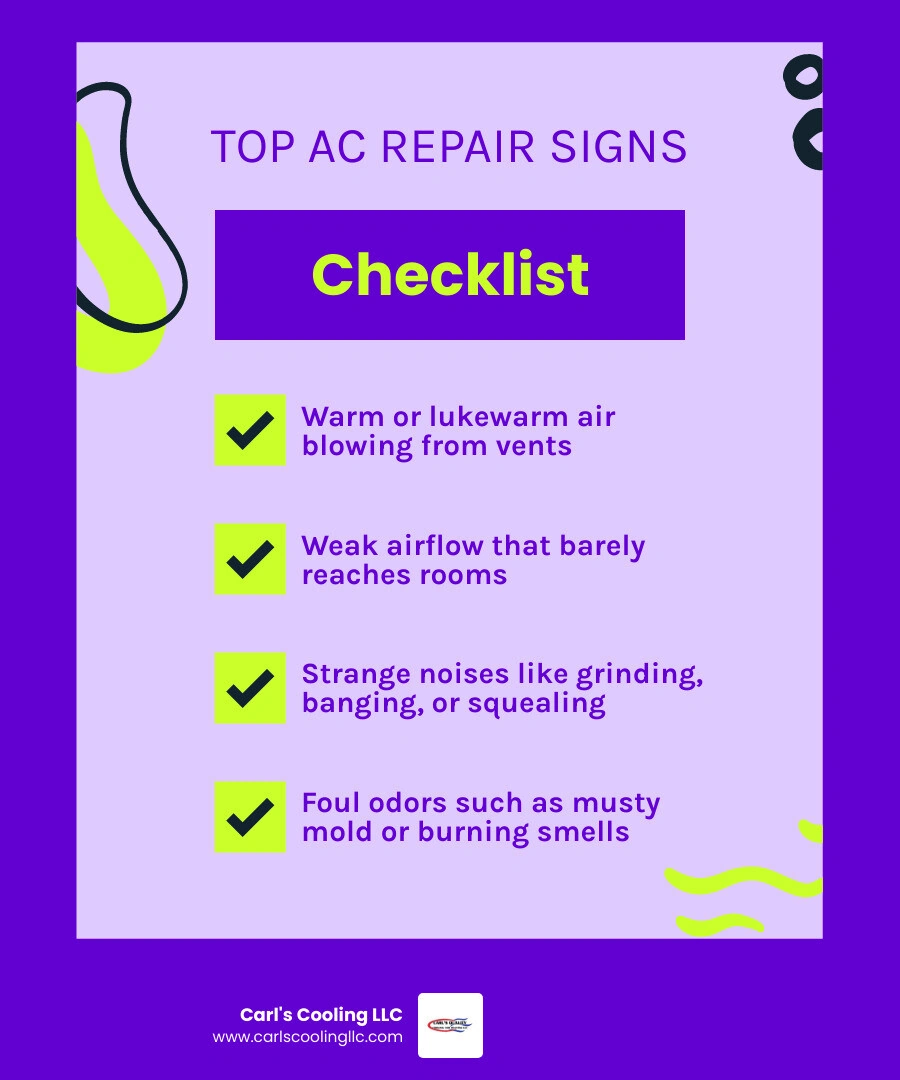
- Warm or lukewarm air blowing from vents instead of cool air
- Weak airflow that barely reaches across the room
- Strange noises — grinding, banging, squealing, or rattling
- Foul odors — musty, moldy, or burning smells from vents
- Frequent cycling — the unit turns on and off too often
- Water leaks or moisture pooling around the indoor unit
- High indoor humidity that makes rooms feel sticky and damp
- Thermostat problems — the system ignores your settings
- Rising energy bills without any change in usage habits
- An aging system — especially units 10 to 15 years old or older
Most air conditioners don't fail overnight. They show small warning signs first — a rattle here, a spike in your electric bill there — that gradually get worse over time. Catching these early can mean the difference between a simple repair and a costly emergency replacement in the middle of a Montgomery County heat wave.
10 Common Signs Your AC Needs Repair
Living in the Greater Houston area, we know that air conditioning isn't just a luxury; it’s a survival tool. When your system starts acting up, it usually leaves a trail of breadcrumbs. Recognizing these AC System Warning Signs early is the best way to protect your wallet and your comfort.
One of the most obvious signs your ac needs repair is the sudden arrival of warm air. If you’ve set the thermostat to "cool" but the air coming out of your vents feels like a lukewarm breeze in the middle of May 2026, something is wrong. This could be a sign of a failing compressor or a refrigerant leak.
Weak airflow is another culprit. You might find that the air is cool, but it’s barely trickling out of the vents. This "slipping performance" often points toward a clogged air filter or a failing blower motor. In some cases, it’s a sign of a much larger issue within your ductwork. Considering that about 20-30% of air moving through typical home ducts is lost through leaks or poor connections, weak airflow should never be ignored.
Other Early Warning Signs of AC Problems include:
- Frequent Cycling: If your AC turns on and off every few minutes (known as short cycling), it’s working way too hard. This increases wear and tear on the motor and compressor.
- High Humidity: Your AC is supposed to pull moisture out of the air. If your home feels "sticky" or your windows are fogging up, your unit isn't doing its job.
- Rising Bills: Air conditioning accounts for 12-27% of monthly power costs. If you see a sudden spike in May 2026 compared to last year, your system is likely losing efficiency.
Identifying Mechanical Signs Your AC Needs Repair
Sometimes the problem is deep within the "organs" of your system. If you notice the AC Fan Not Working, your unit can't dissipate heat properly. This leads to a total system shutdown or, worse, a burnt-out compressor. Understanding How to Tell If AC Fan Motor Is Failing can save you from a much larger bill later. Look for slow-turning blades or a fan that hums but doesn't move.
Frozen coils are another mechanical red flag. You might think, "Hey, it’s an air conditioner, ice is good, right?" Wrong. If you see frost on the copper refrigerant lines or the indoor evaporator coil, it’s a sign of restricted airflow or low refrigerant. If you've ever wondered Why Is Your AC Freezing Up, it’s often because the coil temperature has dropped below freezing due to these issues, preventing the system from absorbing heat.
When to Call for Professional Signs Your AC Needs Repair
While we all love a good DIY project, some signs your ac needs repair require a professional touch for safety reasons. Recognizing Urgent AC Repair Needs is vital. For instance, if you experience a situation where the AC Won't Turn On at all, it could be a simple tripped breaker, or it could be a dangerous electrical short.
If you smell burning plastic or gunpowder, or if you see smoke, shut the system off at the breaker immediately. Electrical issues are a major fire risk. Similarly, if your circuit breaker keeps tripping, don't keep flipping it back on. The breaker is doing its job by preventing a fire; a professional needs to find out why the system is drawing too much power.
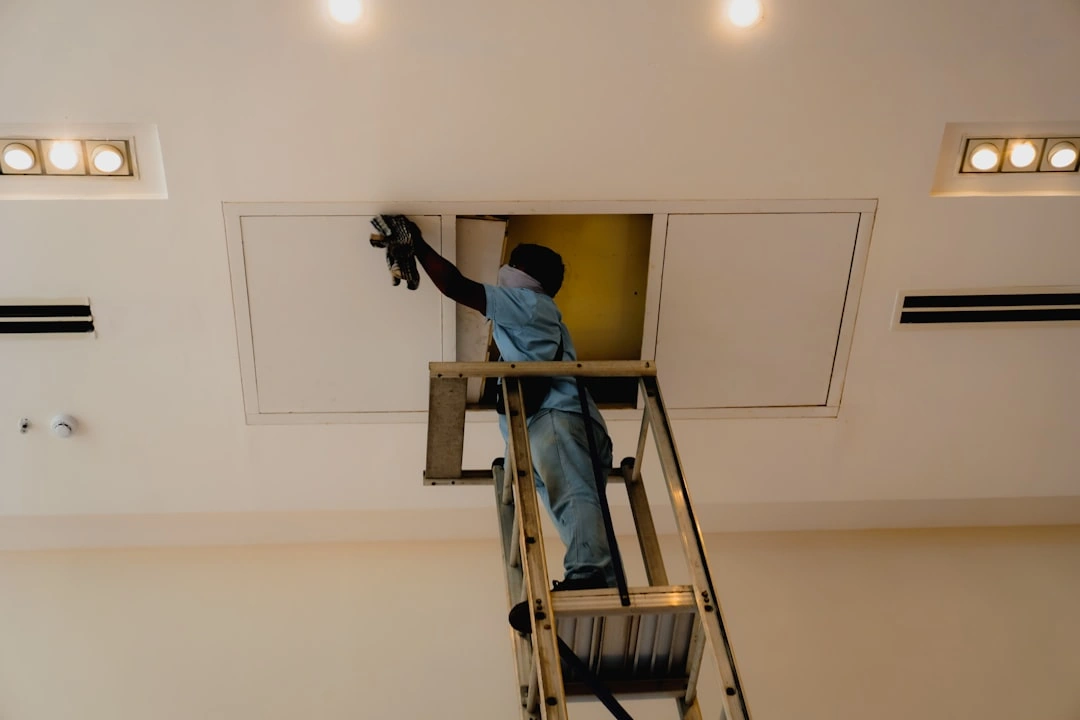
Sensory Red Flags: Noises and Odors
Your senses are your best diagnostic tools. A healthy AC system should operate with nothing more than a gentle hum. If your unit starts sounding like a heavy metal band practicing in your backyard, it’s time to pay attention.
When it comes to Strange AC Noises Meaning, different sounds point to different problems:
- Grinding: This usually indicates that the bearings in your blower motor are worn out.
- Squealing: Often a sign of a belt that has slipped or is fraying.
- Banging or Clanking: This suggests something has come loose inside the compressor or the fan assembly.
- Hissing: This is a classic sign of a refrigerant leak.
Odors are equally telling. Addressing Unpleasant AC Odors is important not just for comfort, but for health. A musty, "dirty sock" smell usually indicates mold or mildew growth on the evaporator coils or inside the ductwork. Since moisture buildup is a primary cause of mold in HVAC systems, this needs to be cleaned to prevent respiratory issues. On the other hand, a pungent, acrid smell often means wire insulation has begun to melt.
Efficiency and Operational Failures
If you’re staring at a high electricity bill from May 2026 and wondering where all that money went, your AC is the likely suspect. Most aging AC systems lose approximately 5% of their efficiency annually. When the unit struggles to maintain temperature, it runs longer, consuming more kilowatt-hours.
If you find yourself asking, "Why Is My AC Not Cooling My Home?" or notice the AC Not Cooling certain rooms, you might have ductwork issues or a failing thermostat. Uneven cooling—where the living room is a fridge but the bedroom is a sauna—is a major indicator of system struggle.
Is Your AC Short Cycling? This is when the system starts and stops frequently without completing a full cooling cycle. Not only does this fail to dehumidify your home, but it also puts extreme strain on the compressor. This can be caused by anything from a malfunctioning thermostat to an oversized unit.
Finally, don't ignore the puddles. While some condensation is normal, excessive water is a problem. If you are wondering Why Is My AC Leaking Water, it’s usually a clogged condensate drain line. We've seen AC Drainage Problems Solutions that range from simple cleanings to full line replacements. If left unaddressed, this water can cause significant damage to your home’s structure and flooring.
Repair vs. Replacement: The Decision Framework
At some point, every homeowner in The Woodlands or Conroe has to ask: "Is it worth fixing this again?" Knowing the Signs You Need AC Replacement can save you from throwing good money after bad.
The average lifespan of a central air conditioner is 10 to 15 years. If your unit is approaching the 15-year mark and starts showing multiple signs your ac needs repair, replacement is often the smarter financial move. New HVAC systems can cut yearly cooling costs by 20-40%.
The $5,000 Rule
A helpful mathematical framework we often recommend is the $5,000 Rule. Take the age of your unit and multiply it by the repair estimate. If the total is more than $5,000, it’s usually time to replace the unit. For example:
- A 12-year-old unit needing a $500 repair = $6,000 (Replace)
- An 8-year-old unit needing a $300 repair = $2,400 (Repair)
| Feature | Repair | Replacement |
|---|---|---|
| Upfront Cost | Lower | Higher |
| Efficiency | Stays the same or declines | Increases (SEER2 ratings) |
| Reliability | Potential for future issues | Manufacturer warranty |
| Refrigerant | May use obsolete R-22 | Uses modern R-410A |
Another major factor is the type of refrigerant your system uses. If your unit was built before 2010, it likely uses R-22 (Freon). The EPA banned the production and import of R-22 in 2020, making it incredibly expensive and difficult to source. If you have to How to Identify AC Refrigerant Leaks on an R-22 system, a replacement is almost always the better choice.
Frequently Asked Questions about AC Repair
Why is my AC blowing warm air in the spring?
It’s frustrating when you turn on your system for the first time in the season and get nothing but lukewarm air. AC Blowing Warm Air in Spring is often caused by a dirty outdoor condenser unit that’s been sitting all winter, a blown capacitor, or low refrigerant levels. Always check your thermostat settings first to ensure it wasn't accidentally left on "Heat" or "Fan Only."
How does high indoor humidity signal a problem?
Your air conditioner is actually a giant dehumidifier. It works on the same principles as a refrigerator, pulling heat and moisture out of the air. Indoor relative humidity should ideally stay between 30% and 50%. If it’s higher than that, your evaporator coil may be struggling, or your unit might be oversized. Oversized units cool the air so quickly that they don't run long enough to remove the moisture, leaving you feeling damp and clammy.
What are the risks of ignoring early warning signs?
Ignoring a "small" rattle in May can lead to a total system meltdown in July. Beyond the risk of a total breakdown during a heatwave, ignoring signs your ac needs repair can lead to:
- Higher Utility Bills: A struggling system uses more power.
- Safety Hazards: Electrical issues can lead to fires.
- Mold Growth: High humidity and leaks are a breeding ground for biological growth.
- Secondary Damage: A clogged drain line can cause thousands of dollars in water damage to your ceilings and floors.
Conclusion
At Carl's Cooling LLC, we’ve spent years helping our neighbors in Conroe, Montgomery, and The Woodlands keep their homes comfortable. We know that your air conditioner is the heart of your home’s comfort during a Texas summer. By staying vigilant and recognizing the signs your ac needs repair, you can extend the life of your system and avoid the stress of an emergency breakdown.
Don't wait until you're sweating through a sleepless night. Whether you need a simple tune-up to improve efficiency or a complex repair to get your system back on its feet, we are here to help. Our team specializes in everything from Air Conditioning Services to indoor air quality solutions, ensuring your home remains a cool, healthy sanctuary for your family.
If you’ve noticed any of these warning signs in your home, give us a call. Let’s get your AC back in peak condition before the summer heat truly arrives.