
The New HVAC Benefits Beyond Comfort That Every Homeowner Should Know
The new HVAC benefits beyond comfort go far further than just keeping your home cool in summer or warm in winter. Today's high-efficiency systems deliver real, measurable advantages — from slashing energy bills and improving the air your family breathes, to boosting your home's resale value and reducing your carbon footprint.
Here's a quick look at what modern HVAC upgrades actually deliver:
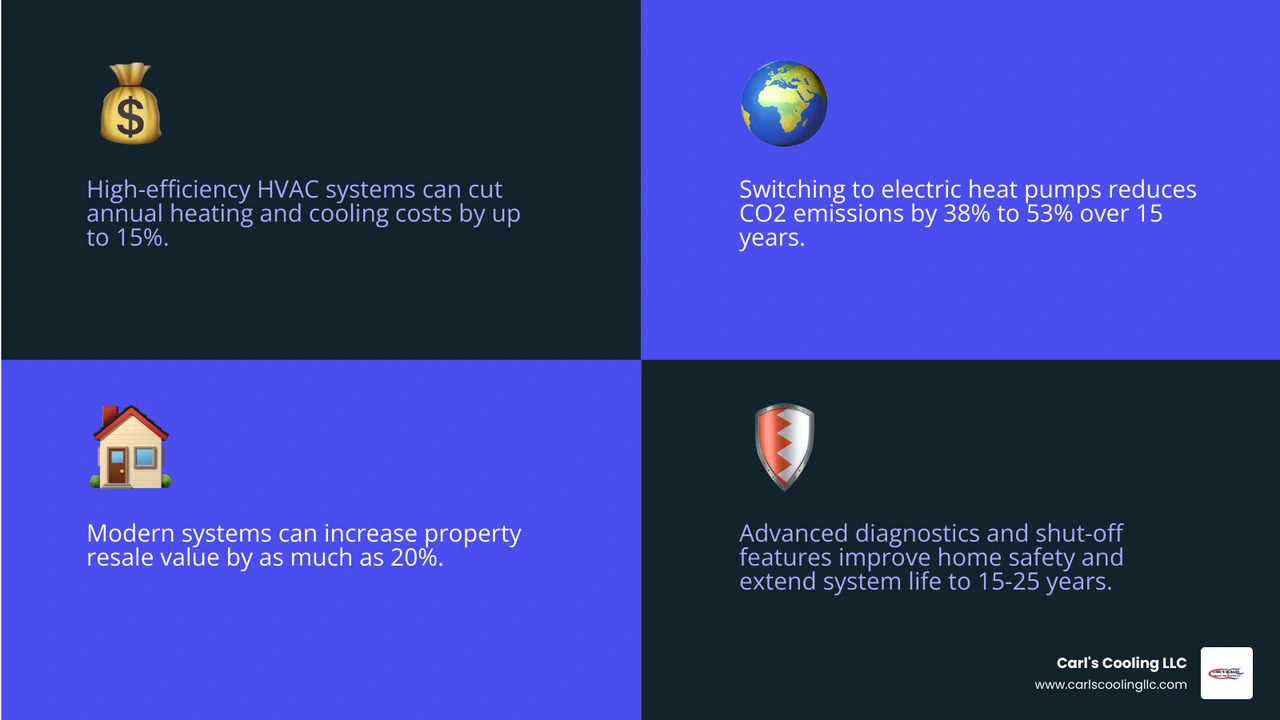
- Lower energy bills - Upgrading to a high-efficiency system can cut annual heating and cooling costs by up to 15%, saving the average household around $200 per year
- Cleaner indoor air - Advanced filtration captures dust, pollen, pet dander, mold spores, VOCs, and even airborne viruses and bacteria
- Higher home value - Modern, energy-efficient systems can increase a property's resale value by as much as 20%
- Reduced carbon emissions - Switching from a gas furnace to an electric heat pump can cut CO2 emissions by 38% to 53% over 15 years
- Improved safety - New systems include automatic shut-off mechanisms and advanced diagnostics to catch problems before they become dangerous
- Longer system life - A properly installed, well-maintained modern system can last 15 to 25 years
- Quieter operation - Variable-speed technology runs more quietly and consistently than older single-stage systems
If your HVAC system is more than 10 to 15 years old, or you've noticed rising energy bills and more frequent repairs, you're likely leaving all of these benefits on the table. This guide breaks down exactly what a modern upgrade can do for your home — and how to make sure you get the most out of it.
New hvac benefits beyond comfort terms explained:
Financial and Environmental Advantages of Modern Systems
When most homeowners in Conroe, Montgomery, or The Woodlands think about upgrading their heating and cooling, they focus on immediate relief from the Texas heat. However, the financial and ecological advantages of modern systems represent some of the most compelling new HVAC benefits beyond comfort. Today's systems utilize advanced engineering to lower your monthly utility expenses while significantly shrinking your environmental footprint.
Modern HVAC systems rely on cutting-edge components like variable-speed motors, smart thermostats, and highly efficient heat exchangers. High-efficiency systems are rated under the SEER2 (Seasonal Energy Efficiency Ratio 2) standards, which enforce stricter testing conditions to reflect real-world performance. Upgrading from an outdated SEER 8 unit to a modern SEER2 15.3 system can save you roughly 50% on your cooling-related energy bills.
For homeowners seeking alternative ways to heat and cool their spaces, The Benefits of Efficient Mini Split HVAC Systems highlight how ductless options eliminate the 20% energy loss typically associated with traditional ductwork. Additionally, geothermal heat pumps utilize the stable temperature of the earth to heat and cool your home, reducing annual CO2 emissions by 25% to 65%.
| Feature | Old Single-Stage Systems | Modern Variable-Speed Systems |
|---|---|---|
| Compressor Operation | Runs at 100% capacity or completely off | Adjusts incrementally (up to 25+ speeds) |
| Energy Consumption | High spikes during frequent on/off cycles | Low, steady draw for continuous efficiency |
| Temperature Control | Creates noticeable temperature swings | Maintains a consistent, precise temperature |
| Humidity Management | Poor; only removes moisture when cooling at full blast | Excellent; runs longer at lower speeds to dehumidify |
| Noise Levels | Loud, disruptive start-up sounds | Whisper-quiet operation (as low as 42–57 dBA) |
How New HVAC Benefits Beyond Comfort Include Lower Utility Bills
One of the most immediate rewards of upgrading your heating and cooling system is the direct impact on your wallet. A strategic system upgrade can cut your annual heating and cooling expenses by up to 15%, which translates to approximately $200 in direct savings for the average household.
Older, conventional systems use single-stage compressors that run at maximum capacity, cycling on and off repeatedly. This constant cycling consumes a massive amount of electricity. In contrast, modern systems feature inverter-driven, variable-speed compressors. Inverter technology allows the system to adjust its output in tiny increments, running continuously at lower, energy-saving speeds to maintain your desired indoor temperature.
Furthermore, today's systems comply with updated environmental regulations. Beginning in 2025, new EPA rules require the transition to eco-friendly refrigerants with lower global warming potential (GWP), offering up to a 75% reduction in GWP compared to older chemical blends. This means your new system is legally compliant, highly efficient, and less expensive to service over time.
Reducing Carbon Emissions and Environmental Impact
Upgrading your HVAC system is one of the most impactful decisions you can make to reduce your home's carbon footprint. Roughly half of all energy consumed in residential properties goes toward temperature regulation. Globally, cooling equipment alone consumed approximately 5,000 terawatt-hours (TWh) of electricity in 2022—a figure projected to triple to 18,000 TWh by 2050.
By transitioning from fossil-fuel-based heating to an electric heat pump, you contribute to a cleaner grid. Swapping a gas furnace for an electric heat pump can reduce your household’s carbon dioxide emissions by 38% to 53% over a 15-year period. Additionally, many high-efficiency systems meet stringent ENERGY STAR guidelines, helping your home qualify for prestigious green building certifications that enhance long-term property value.
Why New HVAC Benefits Beyond Comfort Focus on Indoor Air Quality
We spend the vast majority of our lives indoors, yet indoor air can be up to five times more polluted than outdoor air. An outdated or poorly maintained HVAC system can act as a distribution network for dust, allergens, and pathogens. When we look at new HVAC benefits beyond comfort, the dramatic improvement in indoor air quality (IAQ) is easily one of the most vital health advantages for your family. Learn more about how to Enhance Well-Being with Home Air Quality to keep your household healthy year-round.
Advanced Filtration and Disease Transmission Risks
Standard fiberglass filters are only designed to catch large dust particles to protect the HVAC equipment itself—they do very little to clean the air you breathe. In fact, standard filters miss about two-thirds of indoor air pollution, including microscopic volatile organic compounds (VOCs), viruses, bacteria, and mold spores.
Modern high-efficiency systems are engineered to handle high-MERV filtration and advanced purification technologies without restricting airflow. By integrating molecular-level purification systems, such as advanced UVC lamps and high-surface-area carbon matrices, you can actively neutralize airborne pathogens.
Today's cutting-edge UV air purification systems utilize mercury-free technology, which eliminates hazardous waste concerns while keeping your air clean. Because high-efficiency systems run for longer cycles at lower speeds, they continuously pull air through these filters and purification zones, significantly reducing disease transmission risks and seasonal allergy symptoms.
Humidity Management in Humid Climates
For homeowners in Conroe, Spring, and Montgomery County, high humidity is a constant battle. Excess moisture in the air doesn't just make your home feel sticky; it creates the perfect breeding ground for mold, mildew, and dust mites.
Older systems struggle with humidity because they cool the home too quickly and shut off before they can extract sufficient moisture from the air. Modern variable-speed systems run longer, gentler cycles, allowing them to extract gallons of excess water from your indoor air every day without over-cooling your living spaces.
Maintaining balanced humidity levels (between 30% and 50%) is essential for preventing structural damage, protecting wood flooring, and stopping mold spores from multiplying. To discover how dedicated moisture control can transform your living spaces, read about The Benefits of Using a Dehumidifier Creating Comfortable and Healthy Environments.
Boosting Property Value and Long-Term Reliability
An HVAC replacement should not be viewed as a stressful, emergency expense. Instead, it is a strategic investment that pays dividends in both the short-term and the long-term. From boosting your home's marketability to providing years of worry-free operation, the equity and reliability benefits of a new system are hard to ignore.
Maximizing Home Resale Value and Marketability
A modern, reliable heating and cooling system is an incredibly attractive feature for prospective homebuyers. In fact, some properties experience a potential resale value increase of up to 20% through strategic system modernization.
When buyers tour a home in Southeast Texas, one of the first questions they ask is, "How old is the AC?" A brand-new, energy-efficient system provides immediate reassurance. It tells buyers they won't have to worry about an expensive emergency replacement or high utility bills immediately after moving in. For a deeper dive into how this upgrade pays off at the closing table, check out How a New HVAC System Increases Home Value.
Smart Controls and Self-Monitoring Diagnostics
Older HVAC units are passive; they run until a part breaks, often leaving you stranded in the middle of a hot summer afternoon. Modern systems are highly intelligent. They integrate seamlessly with smart home platforms and advanced thermostats, allowing you to monitor and adjust your home's climate remotely.
Furthermore, these smart systems feature self-monitoring diagnostics. They can track their own performance, monitor static pressure, and alert you or your technician to minor issues—like a restricted filter or a slight refrigerant variance—before they turn into catastrophic system failures. This proactive technology is a key factor in Extending Your HVAC System Lifespan, ensuring your investment remains protected for up to 15 to 25 years.
Avoiding Common Pitfalls During an HVAC Upgrade
To truly unlock the new HVAC benefits beyond comfort, the system must be selected and installed correctly. Many homeowners make the mistake of focusing solely on the brand or the initial price tag, overlooking the critical structural factors that dictate how well the new equipment will perform.
The Importance of Proper System Sizing and Ductwork
A bigger HVAC system is not always better. In fact, installing an oversized system is one of the most common and costly mistakes in the industry. An oversized unit will quickly cool the air, satisfy the thermostat, and shut off. This rapid cycling (known as "short-cycling") prevents the system from removing humidity, puts immense strain on the compressor, and leads to uneven temperatures throughout your home.
Conversely, an undersized system will run constantly, struggling to keep up with demand, spike your energy bills, and wear out prematurely. Proper system sizing requires a professional Manual J load calculation, which accounts for your home's square footage, insulation levels, window placement, and local climate conditions.
Additionally, your new high-efficiency system is only as good as the ductwork distributing the air. Connecting a brand-new, high-efficiency unit to leaky, dirty, or undersized ducts will restrict airflow, reduce system efficiency, and compromise your indoor air quality. Before installing new equipment, a professional technician should always perform a comprehensive ductwork assessment. To understand how clean, sealed ducts protect your health and your wallet, read about maintaining a Healthy Duct System Healthy Indoor Air Quality.
Why Professional Installation Unlocks New HVAC Benefits Beyond Comfort
Modern HVAC systems are sophisticated pieces of technology. To operate safely and reach their rated efficiency levels, they must be installed to precise manufacturer specifications. Professional installation ensures that every electrical connection, refrigerant charge, and duct connection is perfectly calibrated.
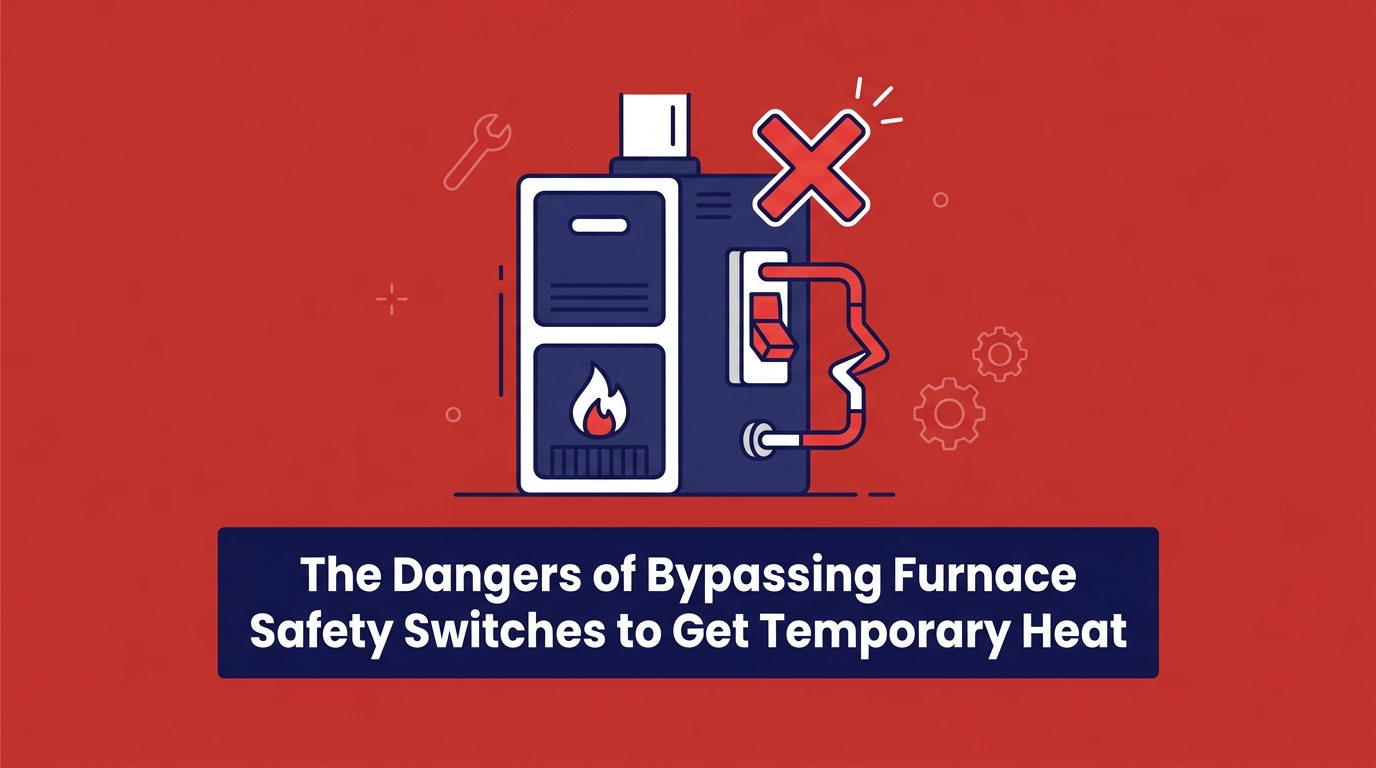
Professional installation also ensures your home remains safe. Modern gas furnaces and heat pumps are built with advanced safety features, including automatic shut-off mechanisms, flame sensors, and electrical overload protections. When installed by certified experts, you can rest easy knowing your system is fully compliant with local building codes, operates at peak efficiency, and poses zero risk of gas leaks or carbon monoxide hazards. To learn more about what goes into a high-quality, professional setup, explore our Professional HVAC Maintenance Solutions.
Frequently Asked Questions About HVAC Upgrades
When should I repair vs replace my existing HVAC system?
As a general rule of thumb, we recommend using the "50 percent rule." If the cost of repairing your old system is at least 50% of the price of a brand-new system, replacement is almost always the more cost-effective long-term decision.
You should also take the age of your system into account. If your unit is over 10 to 15 years old, requires frequent repairs to keep running, or has caused your monthly energy bills to spike, upgrading to a modern system will quickly pay for itself through lower utility bills and reduced maintenance costs.
What financial incentives or tax credits are available for high-efficiency upgrades in 2026?
In May 2026, there are more financial incentives available for energy-efficient upgrades than ever before. Under federal programs, homeowners can qualify for substantial tax credits for installing qualified high-efficiency heat pumps, central air conditioning units, and smart thermostats.
Additionally, many state programs, local utility companies, and manufacturers offer lucrative rebates for energy-efficient installations. When you pair these incentives with the long-term monthly energy savings of a modern system, upgrading your home's HVAC technology becomes an incredibly smart financial move.
How do modern HVAC systems improve home safety?
Older heating and cooling systems pose silent risks to your household, including electrical fires, refrigerant leaks, and carbon monoxide poisoning from cracked heat exchangers. Modern HVAC systems are engineered with safety as a top priority.
Today's units feature integrated diagnostic boards that constantly monitor system operations. If the system detects a restricted airflow condition, a blocked flue, or an electrical fault, it will automatically shut down to prevent damage or dangerous conditions. Furthermore, modern systems utilize advanced, fire-resistant materials and robust electrical protections to safeguard your home and family.
Conclusion
Upgrading your heating and cooling system is about so much more than just controlling the temperature. The new HVAC benefits beyond comfort touch every aspect of your home life—from lower monthly utility bills and reduced carbon emissions to cleaner indoor air, enhanced home safety, and increased property resale value.
At Carl's Cooling LLC, we are committed to helping families throughout Conroe, Montgomery, The Woodlands, and the surrounding Montgomery County areas enjoy healthier, more efficient homes. Whether you need a high-efficiency AC installation, a ductwork assessment, or routine preventive care, our family-owned team is here to deliver reliable, top-quality service.
To keep your system running at peak performance year-round, check out our Ultimate HVAC Maintenance Guide Montgomery County.
Ready to start saving on your energy bills and breathe cleaner air? Schedule your high-efficiency HVAC consultation today with the local experts at Carl's Cooling LLC to start saving!