

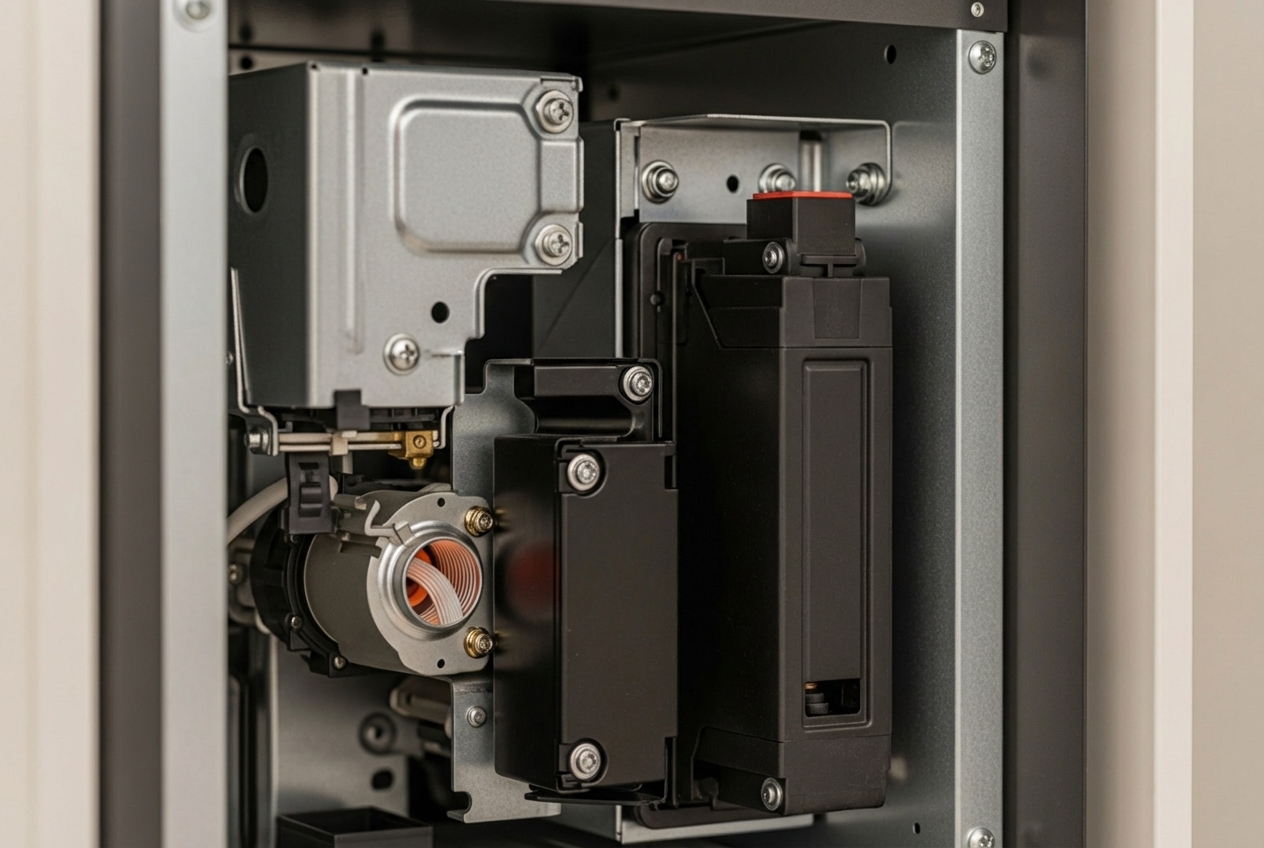

Your Furnace is Clicking But Not Lighting? Here's What It Means
My furnace clicks but won't light up. Who can I call for a furnace ignitor replacement in The Woodlands? If your furnace is making clicking sounds but failing to produce heat, you're likely dealing with a faulty ignitor—one of the most common furnace repair issues in The Woodlands, TX. The clicking noise you hear is your furnace attempting to ignite the gas, but when the ignitor is worn out or damaged, the flames never catch, leaving you without heat during those chilly Texas mornings.
Quick Answer: Who to Call for Furnace Ignitor Replacement in The Woodlands
- Contact our licensed HVAC professionals – Our experienced technicians specialize in furnace repair and ignition issues.
- Verify credentials – Our team is fully licensed, insured, and trusted by homeowners throughout The Woodlands.
- Choose local expertise – We understand The Woodlands homes, systems, and climate needs.
- Ask about response time – We offer prompt, reliable scheduling, including priority and urgent service options when available.
- Get upfront communication – Our technicians clearly explain the problem, your options, and the repair process.
For expert furnace repair services across The Woodlands, learn more about our professional heating solutions or schedule your furnace repair today.
The clicking sound you're hearing is actually your furnace trying to do its job. When your thermostat calls for heat, the ignitor should warm up and light the gas flowing into the burner chamber. But when that ignitor fails—which typically happens after years of repeated heating cycles—you're left with clicking sounds and cold air. While The Woodlands doesn't experience extreme winter temperatures like northern states, even our 40-45°F winter lows make a working furnace essential for home comfort.
What the Clicking Sound Indicates
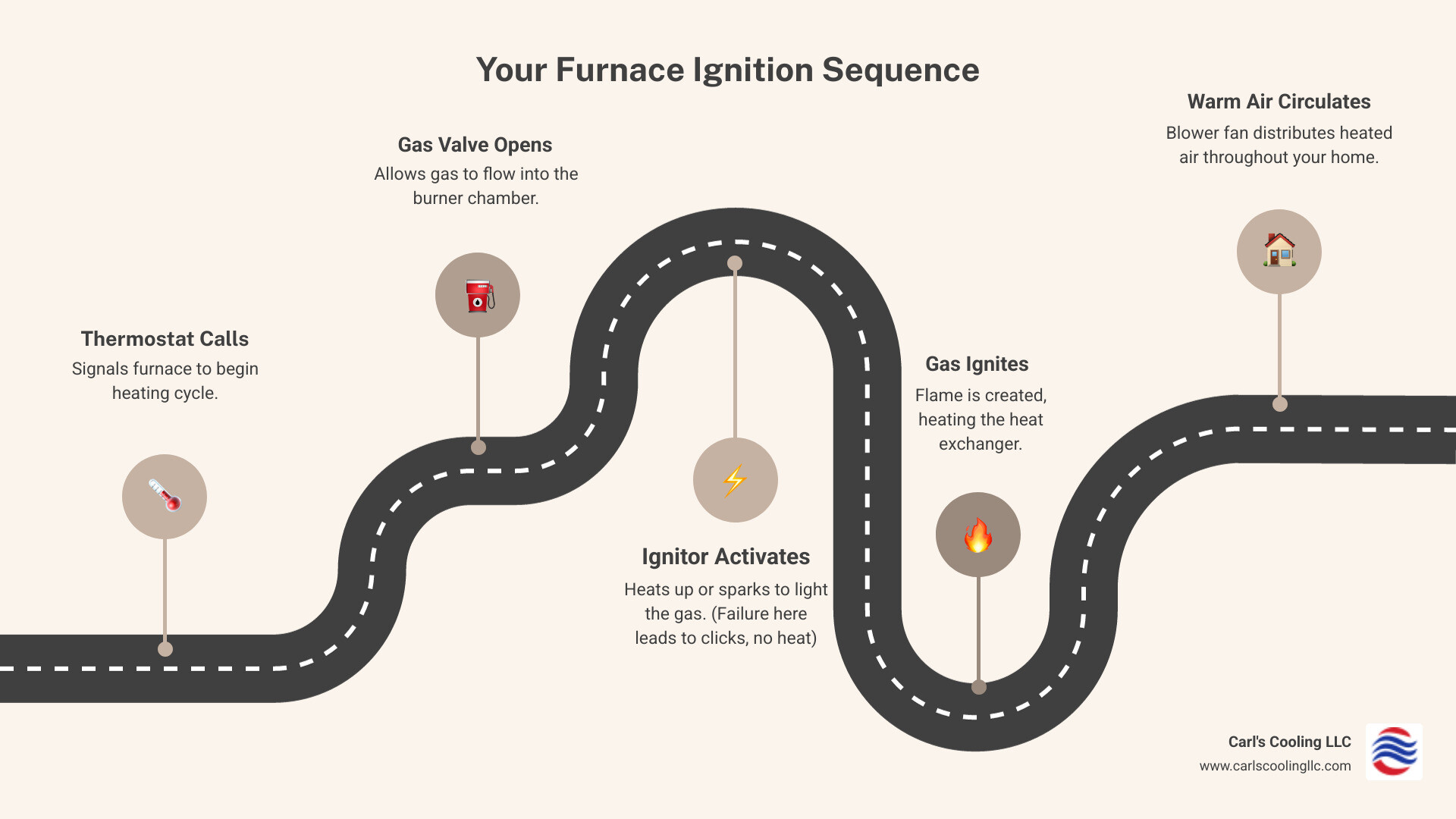
When your furnace begins its heating cycle, a precise sequence of events unfolds. First, your thermostat sends a signal, telling the furnace it's time to warm things up. In response, the gas valve opens, allowing natural gas or propane to flow into the burner assembly. Simultaneously, the ignitor activates. Depending on your furnace model, this could be a spark electrode, which creates a visible spark, or a hot surface ignitor, which glows bright orange. This is the crucial moment: the ignitor's job is to ignite the gas, creating a flame that will heat your home.
The clicking sound you hear when your furnace doesn't light is often the sound of the spark electrode repeatedly attempting to create that spark. If you have a hot surface ignitor, you might hear a series of clicks before the blower fan engages, but without the whoosh of the gas igniting. The clicking is your furnace bravely trying to do its duty, but encountering a roadblock in the ignition process. It's a clear signal that something is amiss in its attempt to light the flames and initiate the heating process.
Common Causes of Ignition Failure
So, why would your furnace try so hard but fail to ignite? Several common culprits can lead to this frustrating scenario, leaving you to wonder, "My furnace clicks but won't light up. Who can I call for a furnace ignitor replacement in The Woodlands?"
- Faulty Ignitor: This is arguably the most common cause. Furnace ignitors are designed to withstand extreme heat, but like any component, they wear out over time. Age, constant heating cycles, and even debris buildup can cause them to crack, become brittle, or simply lose their ability to generate enough heat or spark to ignite the gas.
- Gas Supply Issues: If the ignitor is working, but there's no gas to ignite, you'll still be left in the cold. This could be due to a closed gas valve (perhaps inadvertently turned off), low gas pressure, or a malfunction in the gas valve itself, preventing it from opening properly.
- Dirty Flame Sensor: Once the gas ignites, the flame sensor's job is to confirm that a flame is present. If this sensor becomes coated with soot or grime, it can't "see" the flame, even if it ignites for a moment. Believing there's no flame, the furnace's safety mechanisms will shut off the gas supply to prevent unburnt gas from accumulating, leading to repeated ignition attempts and eventual lockout.
- Clogged Air Filter: While seemingly unrelated, a severely clogged air filter can restrict airflow, causing your furnace to overheat. When this happens, safety switches can trip, preventing the furnace from igniting to protect itself from damage. Regular filter changes are a simple yet crucial maintenance step.
- Control Board Malfunction: Less common, but still a possibility, is an issue with the furnace's control board. This "brain" of your furnace is responsible for orchestrating the entire ignition sequence. If it fails to send the correct signals to the ignitor or gas valve, ignition won't occur.
Understanding these common issues helps shed light on why your furnace might be clicking without lighting. It also highlights why a professional diagnosis is often the quickest and safest path to restoring your home's warmth.
Key Signs You Need a Furnace Ignitor Replacement
Recognizing the signs of a failing ignitor early can save you from prolonged discomfort and potential secondary issues. Beyond the obvious "clicking but no heat" symptom, there are other clues your furnace might be giving you. According to expert guides, there are 7 Clear Signs to Replace Your Furnace Igniter.
Visible Damage to the Ignitor
Sometimes, the problem is quite literally visible if you know what to look for. While we always recommend leaving internal furnace inspections to trained professionals, an experienced technician can often spot a failing ignitor with a quick visual check.
- Cracks: Hot surface ignitors are made of a brittle material. Over time, the repeated heating and cooling cycles can cause hairline cracks or even significant fractures. A cracked ignitor won't be able to generate enough heat to ignite the gas.
- Burn Marks: Excessive burn marks or discoloration, especially on a hot surface ignitor, can indicate that it's overworking or failing to heat evenly.
- White Spots: White, chalky residue on the ignitor can be a sign of mineral deposits, which can interfere with its ability to heat properly.
- Brittle Appearance: A healthy hot surface ignitor should look smooth and uniform. If it appears flaky, corroded, or excessively brittle, it's likely past its prime and ready for replacement.
These visual cues are often definitive indicators that the ignitor's integrity has been compromised and it's no longer capable of performing its essential function.
Furnace Behavior Clues
Your furnace communicates its distress through its behavior. Learning to interpret these signs can help you understand when an ignitor replacement might be necessary.
- System Starts Then Stops (Short Cycling): If your furnace kicks on, you hear the clicking, perhaps even a brief flicker of a flame, but then it quickly shuts down before adequately heating your home, you might be experiencing short cycling due to an ignitor or flame sensor issue. The furnace attempts to ignite, fails, and then shuts off as a safety measure, only to try again shortly thereafter.
- Blower Runs with Cold Air: This is a classic sign of an ignition failure. The thermostat calls for heat, the furnace's fan motor (blower) engages to circulate air, but because the ignitor isn't lighting the gas, only cold air is being pushed through your vents. It's like a car engine turning over but not catching fire—all the parts are moving, but the core function isn't happening.
- Error Codes on Thermostat: Many modern furnaces and smart thermostats display error codes when a problem arises. These codes are invaluable diagnostic tools and can often point directly to an ignition failure or ignitor malfunction. Consulting your furnace's manual or an HVAC professional can help interpret these codes.
- Multiple Clicks with No Flame: As mentioned earlier, if you hear repeated clicking sounds without the reassuring whoosh of the burners igniting, it's a strong indicator that the ignitor isn't successfully lighting the gas. The furnace's control board will typically attempt ignition several times before locking out for safety. If this happens consistently, it's time to investigate the ignitor.
- Delayed Ignition: In some cases, a weakening ignitor might still work, but it takes longer than usual to ignite the gas. This delay can sometimes lead to a small "pop" or "boom" as a larger amount of gas accumulates before ignition, which can be both startling and potentially dangerous.
These behavioral clues, especially in combination with the clicking sound and lack of heat, strongly suggest that your ignitor is failing and requires professional attention.
My furnace clicks but won't light up. Who can I call for a furnace ignitor replacement in The Woodlands?
When your furnace is acting up, especially with the tell-tale clicking but no ignition, the question of "My furnace clicks but won't light up. Who can I call for a furnace ignitor replacement in The Woodlands?" becomes paramount. In the communities we serve, including Alden Bridge, Conroe, Cypress, Houston, Humble, Lake Conroe, Magnolia, Montgomery, New Caney, New Waverly, North Houston, Spring, The Woodlands, Tomball, Willis, and Woodforest, we understand how vital a reliable heating system is, even during our milder Texas winters.
The Risks of Ignoring a Faulty Furnace
It might be tempting to put off a furnace repair, especially if the weather isn't severely cold. However, ignoring a faulty furnace ignitor carries several risks that could impact your comfort, wallet, and even safety.
- No Heat During Cold Snaps: The Woodlands, TX, experiences average winter low temperatures around 40-45°F. While not extreme, these temperatures are certainly cold enough to make a home uncomfortable and potentially unhealthy without adequate heating. A faulty ignitor means your furnace could fail completely when you need it most, leaving you and your family in the cold.
- Increased Energy Use: A furnace that repeatedly attempts to ignite but fails is still consuming electricity and potentially small amounts of gas during its cycles. This inefficiency can cause your system to run longer and work harder as it struggles to reach the desired temperature or cycles on and off more frequently.
- Further System Damage: When one component fails, it can put undue stress on other parts of your furnace. A struggling ignitor might cause the furnace to run longer, cycle more often, or even trigger other safety mechanisms that can wear down components prematurely. What starts as a simple ignitor issue could escalate into more complex repairs if left unaddressed.
- Safety Concerns: While ignitor failure often results in the furnace simply not lighting, there are underlying safety considerations. Any issue with the gas ignition process could, in rare circumstances, lead to unburnt gas accumulation or other hazards. Modern furnaces have robust safety features, but it's always best to have a professional address gas-related issues promptly to ensure the safe operation of your heating system.
How to Choose a Reliable HVAC Professional in The Woodlands
When you're facing a furnace issue, especially one that impacts your home's comfort and safety, choosing a reliable HVAC professional is key. Here's what to look for in The Woodlands and surrounding areas:
- Licensed and Insured: This is non-negotiable. A licensed contractor ensures they meet state and local standards for their work, and insurance protects both you and the technicians in case of any accidents or damage during the repair.
- Positive Local Reputation: Look for a company with a strong presence and history of serving homeowners in The Woodlands, Conroe, Spring, and nearby communities. Consistent, positive feedback from local residents is a strong indicator of dependable service.
- Experience with All Furnace Models: Furnaces come in various makes and models. A reliable professional should have experience diagnosing and repairing a wide range of systems, ensuring they can handle your specific furnace, whether it's an older model or a newer, high-efficiency unit.
- Upfront Communication: A trustworthy company will provide clear, honest communication about the problem, the proposed solution, and the repair process. They should explain everything in understandable terms, answer your questions thoroughly, and keep you informed every step of the way. This transparency builds trust and peace of mind.
By prioritizing these qualities, you can feel confident that you're choosing a skilled and reputable HVAC partner to address your furnace ignitor replacement needs in The Woodlands.
Should I Replace the Ignitor Myself or Call a Pro?
When faced with a furnace issue like a faulty ignitor, many homeowners naturally consider a DIY approach. After all, a quick search might yield videos showing how to replace an ignitor. However, when it comes to something as complex and potentially dangerous as your furnace, we strongly advise against attempting repairs yourself.
The DIY Approach: What to Know
While resources like YouTube videos (e.g., "Furnace Not Igniting - How to Check and Replace Ignitor - YouTube") might offer visual guides, they often don't convey the full scope of risks and complexities involved.
- Complexity of Modern Furnaces: Today's furnaces are sophisticated machines with intricate electrical components, sensitive gas lines, and interconnected safety mechanisms. They are far more complex than they appear, and a seemingly simple ignitor replacement can quickly become complicated.
- Risk of Incorrect Installation: Installing an ignitor incorrectly can lead to numerous problems. It could damage the new part, cause further issues with the furnace's control board, or, more critically, create dangerous conditions related to gas leaks or electrical shorts.
- Voiding Warranty: Many furnace manufacturers' warranties explicitly state that repairs must be performed by a certified HVAC professional. Attempting a DIY repair could void your warranty, leaving you responsible for the full cost of future repairs, even if they are unrelated to the ignitor.
- Safety Hazards: This is perhaps the most significant concern. Working with gas lines and high-voltage electricity inside a furnace without proper training and safety equipment poses severe risks, including electric shock, gas leaks, fire, or even carbon monoxide poisoning. It's simply not worth the gamble.
Why Professional Furnace Ignitor Replacement in The Woodlands is Safer
Choosing a professional for furnace ignitor replacement in The Woodlands and our other service areas is not just about convenience; it's about safety, efficiency, and peace of mind.
- Correct Diagnosis: A professional technician doesn't just replace parts; they diagnose the root cause. What might seem like an ignitor issue could be a symptom of a larger problem, such as a faulty control board or a gas pressure issue. Our experts use specialized tools and their extensive knowledge to accurately identify the problem.
- Proper Part Matching: There are various types of ignitors, and selecting the correct one for your specific furnace model is crucial for optimal performance and safety. Professionals have access to the right parts and the expertise to ensure compatibility.
- Electrical and Gas Safety Protocols: Our certified technicians are trained in strict electrical and gas safety protocols. We know how to safely disconnect power, shut off gas lines, and handle components without risk, protecting both your home and ourselves.
- Guaranteed Workmanship: Reputable HVAC companies stand behind their work. When we perform an ignitor replacement, we ensure it's done right the first time, and our service typically comes with a warranty on both parts and labor. This gives you confidence in the longevity and reliability of the repair.
- Peace of Mind: Knowing that your furnace has been safely and effectively repaired by a qualified professional allows you to rest easy, especially during those cooler nights in The Woodlands. You can trust that your heating system is operating safely and efficiently.
When your furnace clicks but won't light up, especially in a region like The Woodlands where we rely on our heating system for comfort, trusting the experts is always the smartest choice.
Preparing for Your Furnace Repair and Preventing Future Issues
When you've scheduled a professional to address your furnace ignitor replacement, there are a few things you can do to prepare for their visit and, more importantly, steps you can take to prevent similar issues from arising in the future. Annual maintenance is key to system longevity, peak efficiency, and overall preventative care.
Questions to Ask Your HVAC Technician Before a Repair
Once your technician arrives and begins their assessment, don't hesitate to ask questions. A good professional will welcome your inquiries and provide clear, understandable answers. Here are some key questions we recommend asking:
- What is the specific problem? Ask for a clear explanation of why your ignitor failed or what other issues were found. Understanding the diagnosis helps you make informed decisions.
- What is the repair process? Inquire about the steps involved in the ignitor replacement. This can help you understand the scope of work and the expected timeline.
- Is the replacement part under warranty? New parts often come with their own manufacturer's warranty. Knowing this can provide peace of mind regarding the longevity of the repair.
- How can I prevent this in the future? This is a crucial question for long-term furnace health. Your technician can offer specific advice custom to your furnace and home.
- Were any other potential issues observed? While focusing on the ignitor, a thorough technician might notice other minor issues that could become problems down the line. Addressing them proactively can save you trouble later.
Simple Maintenance to Prevent Future Ignitor Problems
While ignitors do wear out due to age and repeated use, proper maintenance can extend their lifespan and prevent premature failure. Regular preventative care is your best defense against unexpected breakdowns.
- Change Air Filters Regularly: This is perhaps the simplest yet most effective maintenance task you can perform. We recommend changing your furnace filters every 1 to 3 months, depending on usage, pets, and indoor air quality. A clean filter ensures proper airflow, which is vital for your furnace's efficiency and prevents overheating that can stress components like the ignitor.
- Keep Vents Clear and Unobstructed: Ensure that all heating vents in your home are open and not blocked by furniture, rugs, or curtains. Restricted airflow can make your furnace work harder, leading to inefficiencies and potential strain on parts.
- Schedule Annual Professional Tune-ups: This is the most important preventative measure. A professional furnace tune-up, ideally scheduled in the fall before the heating season begins, involves a comprehensive inspection of your entire system. Technicians will clean vital components, check electrical connections, inspect gas lines, test safety controls, and examine the ignitor and flame sensor for wear or debris. This annual service often covers over 100 points of inspection and can catch small issues before they escalate, ensuring your furnace is ready for the colder months in The Woodlands. Regular maintenance also often includes carbon monoxide testing, which is crucial for safety.
- Listen for Unusual Noises: Your furnace usually operates with a familiar hum. If you start hearing new or strange noises—like grinding, screeching, or persistent clicking without ignition—it's a sign that something might be amiss. Addressing these sounds promptly can help prevent minor issues from becoming major repairs.
By taking these proactive steps, you can significantly reduce the likelihood of your furnace ignitor failing unexpectedly and ensure your heating system operates reliably and efficiently for years to come.
Get Your Heat Restored with Professional Furnace Repair
When your furnace clicks but won't light up, it's more than just an inconvenience; it's a clear signal that your heating system needs attention. Especially in The Woodlands, where even moderate cold snaps can make a significant difference in home comfort, prompt and professional furnace repair is essential.
We understand the frustration of a malfunctioning furnace. Our team of licensed and certified HVAC professionals is dedicated to providing fast, reliable, and safe furnace ignitor replacement and repair services throughout The Woodlands, Conroe, Spring, Magnolia, Tomball, and all our service areas. We pride ourselves on accurate diagnoses, transparent communication, and lasting solutions, ensuring your home stays warm and comfortable.
Don't let a faulty ignitor leave you in the cold. For expert service and peace of mind, trust us to get your heat restored efficiently and effectively. Learn more about our comprehensive furnace repair services in The Woodlands, TX and let us bring warmth back to your home.


